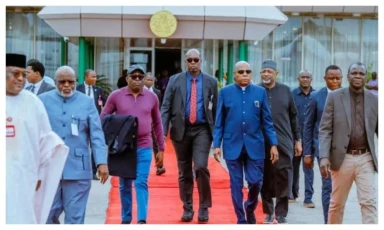
A public affairs analyst and tourism advocate, Phil Roberts, has explained why Nigeria’s tourism sites nationwide have remained stagnant despite their huge economic potential for the country.
He disclosed this in his remarks at a tourism event on Tuesday.
Roberts noted that the country is yet to fully utilise public and private sector collaborations to unlock its tourism potential.
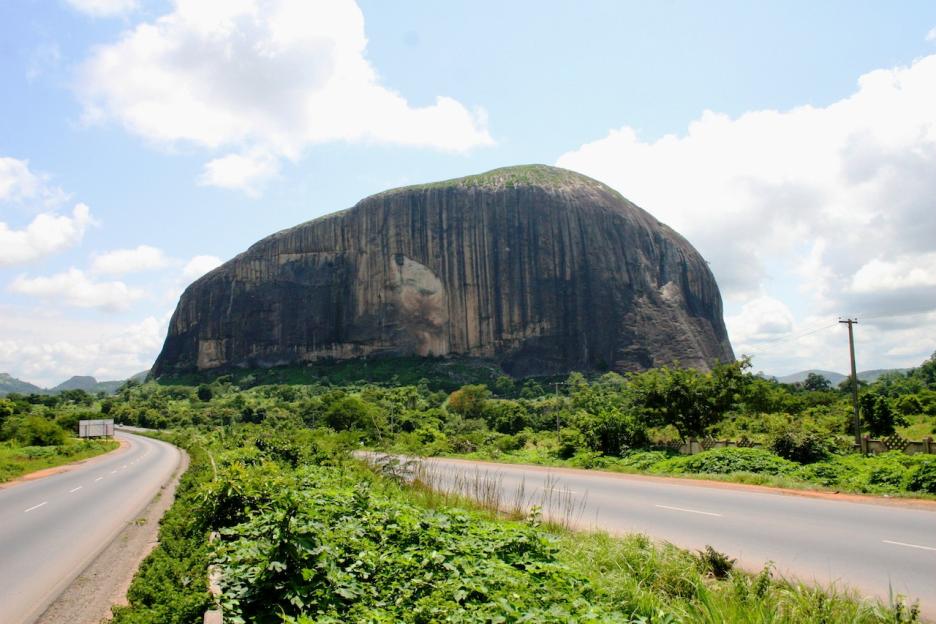
He explained that the key problem of Nigeria’s tourism sector is the gap between “tourism sites” and “tourism destinations.”
According to him, a mix of adequate public and private sector partnerships would catapult Nigeria into a leading global tourism destination in Africa.
He stressed that key tourism development zones within the Abuja master plan, including Aso Rock, Jabi Lake, Maitama, Asokoro, Mpape, Katampe, Bwari, the Abuja Municipal Area Council, and other parts of the country, can be harnessed for maximum growth.
“A tourism site remains stagnant, but it becomes a destination when supported with good infrastructure, roads, electricity, housing, internet, food systems, and security.
“We don’t need to take our money abroad for tourism experiences. With the right infrastructure, Nigeria can become the destination the world comes to see,” he added.
“Tourism remains the biggest marketing tool for any country. Nations promote themselves globally through tourism, yet in Nigeria, those responsible for this promotion are often neglected,” he said.
On his part, a Nigerian investor, Topsy Essien, said developing sustainable, tourism-friendly communities is key to unlocking its potential for the Nigerian economy.
DAILY POST reports that Nigeria’s tourism sector is valued at approximately $17.3 billion as of the first quarter of 2026.