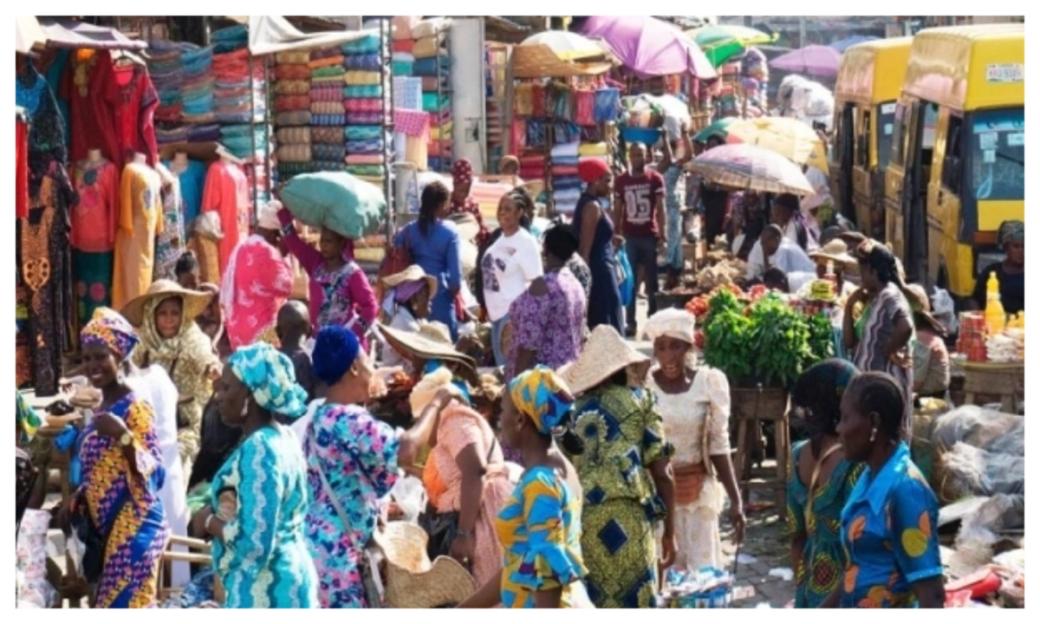
Africans from Liberia, Ghana, Cameroon and Gabon returning home after spending over a week in Calabar for a religious festival have said the cost of living in Nigeria is far lower compared to what obtains in their respective countries.
The visitors were in Calabar alongside other foreign nationals for weeklong spiritual activities organised by the Brotherhood of the Cross and Star.
Beyond participating in the spiritual activities during their stay in Calabar, many of them also visited local markets, malls and social spots where they bought goods for personal use and commercial purposes.
A Ghanaian visitor, Jacklyn Asare, said Nigerians often underestimate the economic advantage they enjoy despite complaints about the high cost of living.
“I now understand why many Nigerians keep complaining about their government and the economy. Perhaps it is because of the country’s huge population, which contributes to the pressure on living costs,” she said.
“But honestly, things are far cheaper in Nigeria than in my country and even in many other West African countries.
“I regularly travel to Lagos, Onitsha and Aba to buy goods, and sometimes I place orders from Ghana in smaller quantities.”
She explained that after reselling the products in Ghana, the profit margin is usually significant, noting that one Ghanaian cedi currently exchanges for over N82, which boosts returns for traders.
According to her, many Nigerian traders who export goods to Ghana have become wealthy because Nigerian products are cheaper and highly marketable across West Africa.
She added that the national minimum wage earned by many Nigerians would barely buy a single major household item in Ghana.
Asare also noted that petrol in Ghana currently sells for over GH¢15.77 per litre, which is equivalent to about N1,900 per litre when converted to naira.
A Liberian visitor, Samuel Ator, supported her position, saying he visits Nigeria at least once a year and often buys goods through his daughters who live in Calabar and Lagos.
“Nigerian goods are everywhere in West Africa because they are affordable and of good quality. Sometimes my daughters help me buy and send items to Liberia,” he said.
A Cameroonian clergyman, Oru Denis, who visits Calabar at least once every two months, said he often comes with affordable devices to sell in Nigeria and returns with Nigerian goods for resale in Mamfe, Cameroon.
“After converting CFA to naira, I can buy more goods here at cheaper rates. The profits are often worthwhile,” he said.
Similarly, Orji Igwe, who lives in Gabon, said he used his visit to Calabar to purchase food items such as afang and editan vegetables, as well as other made-in-Nigeria products for sale back home.
He said the business remains profitable depending on the quantity of goods he is able to transport.