SCIENTISTS are racing to develop a new vaccine against deadly hantavirus, the deadly illness that killed three on a luxury cruise holiday.
There’s currently “no effective vaccine” to protect against the virus, which can cause severe breathing difficulties and kill up to 40 per cent of its victims.
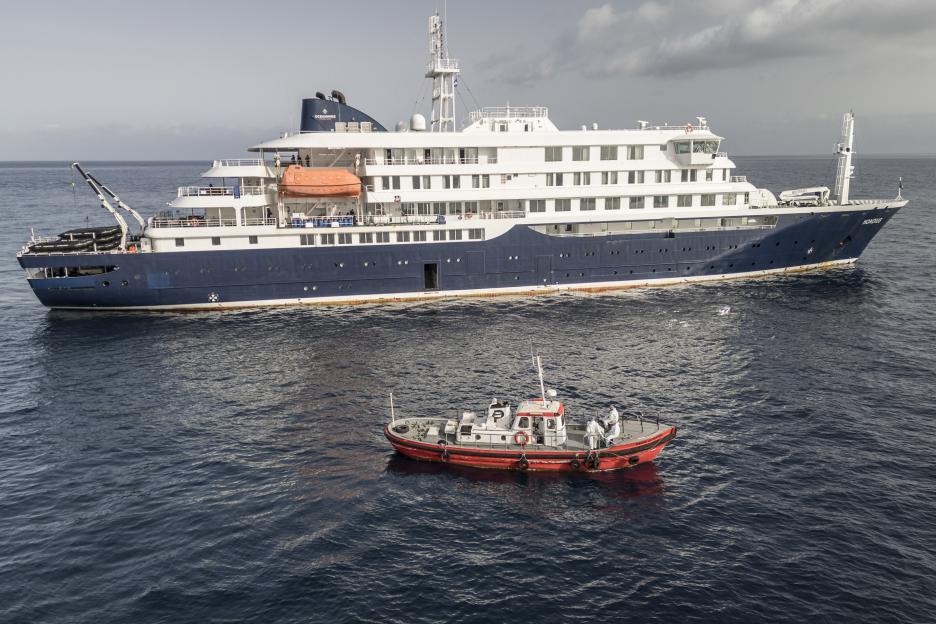
 Hantavirus cases were discovered on the cruise ship MV HondiusCredit: AFP Credit: AFP
 There’s currently no vaccine to protect against it but scientists say one might be on the way Credit: Alamy
But scientists say a jab may be on the way.
The team, from the University of Bath, started developing the vaccine before the outbreak on sparked international alarm.
But they said it could help stop future outbreaks or prevent “really bad consequences” from infections.
So far, the jab has been tested in the lab and on animals, prompting an “excellent immune response”.
It’s set be tested on humans for the first time later this year.
It comes after was diagnosed with suspected hantavirus, linked to the cruise ship outbreak.
The UK Security Agency (UKHSA) said two British nationals have confirmed hantavirus but there is now “an additional suspected case of a British national on Tristan da Cunha”.
The patient remains on the remote island in the South Atlantic ocean, while the other two Brits are in hospital in the Netherlands and South Africa.
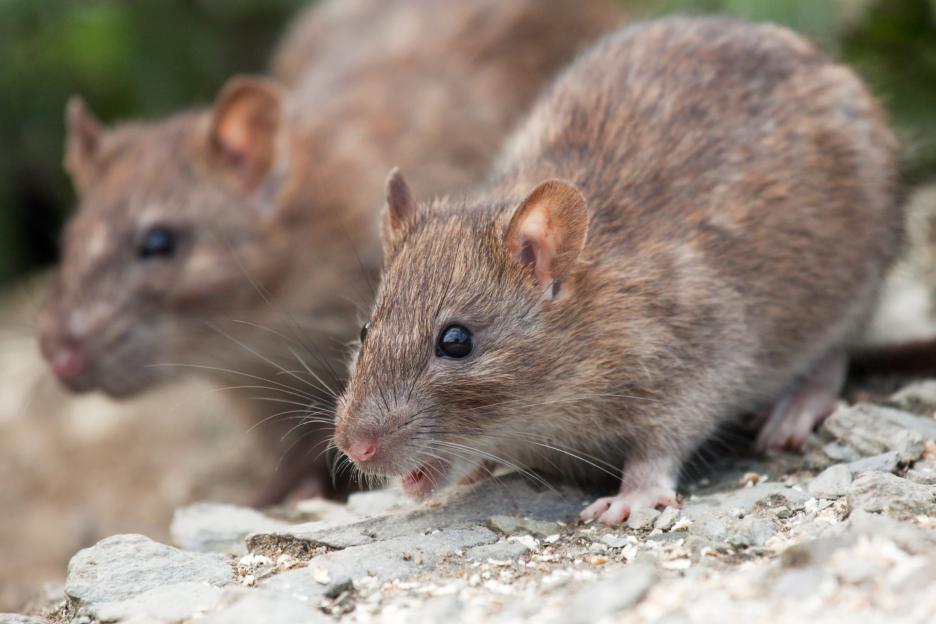 Hantaviruses are spread by rats, through contact with their urine, droppings and saliva, but it can be transmitted between humans in rare casesCredit: Alamy Credit: Alamy
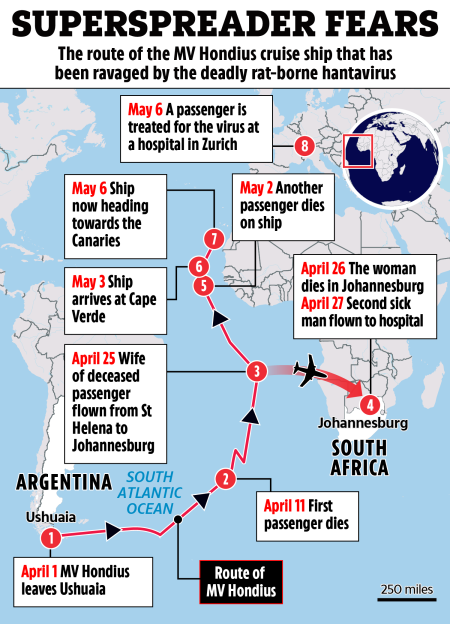
The luxury vessel MV Hondius set sail from Argentina a month ago.
But its voyage across the Atlantic was cut short after cases of deadly hantavirus were identified in passengers.
A total of 29 people left the cruise ship MV Hondius – including seven UK nationals – when it docked in St Helena on April 24, including a Dutch woman who became unwell and died while travelling.
Two more people have died, while health authorities are racing to identify people who may have contracted the virus from people leaving the cruise.
The source of the outbreak has been confirmed a hantavirus typically found in South America.
There are several kinds of hantaviruses, which are carried by rats, most commonly in rural, agricultural settings.
Most hantaviruses don’t spread between humans, although person-to-person transmission has happened with the Andes virus strain in rare cases – including on MV Hondius.
People usually become infected by breathing in air contaminated with virus particles from rodent urine, droppings, or saliva.
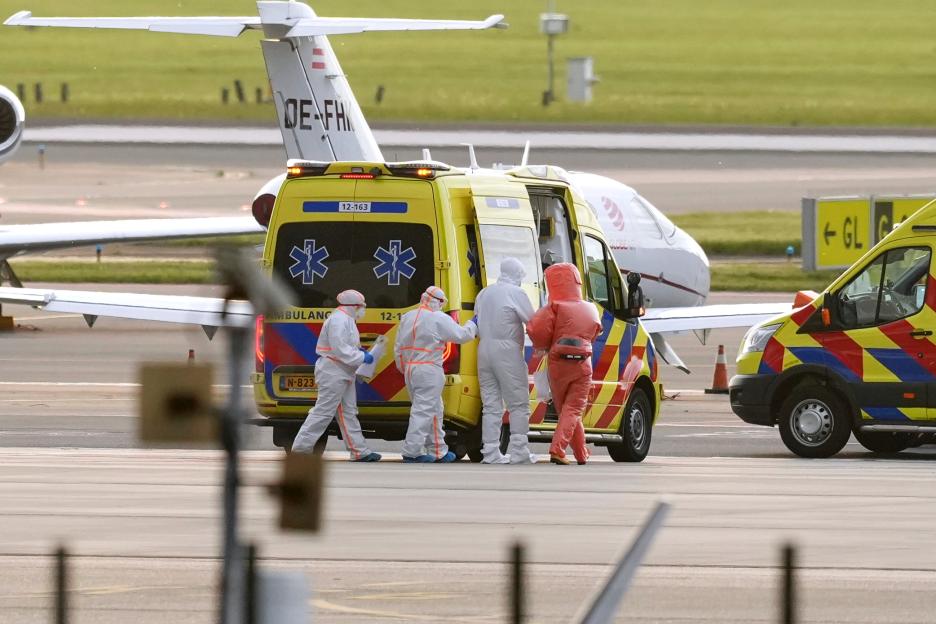 Medics escort a patients, evacuated from the MV Hondius cruise ship with suspected hantavirus infection, to an ambulance Credit: AP
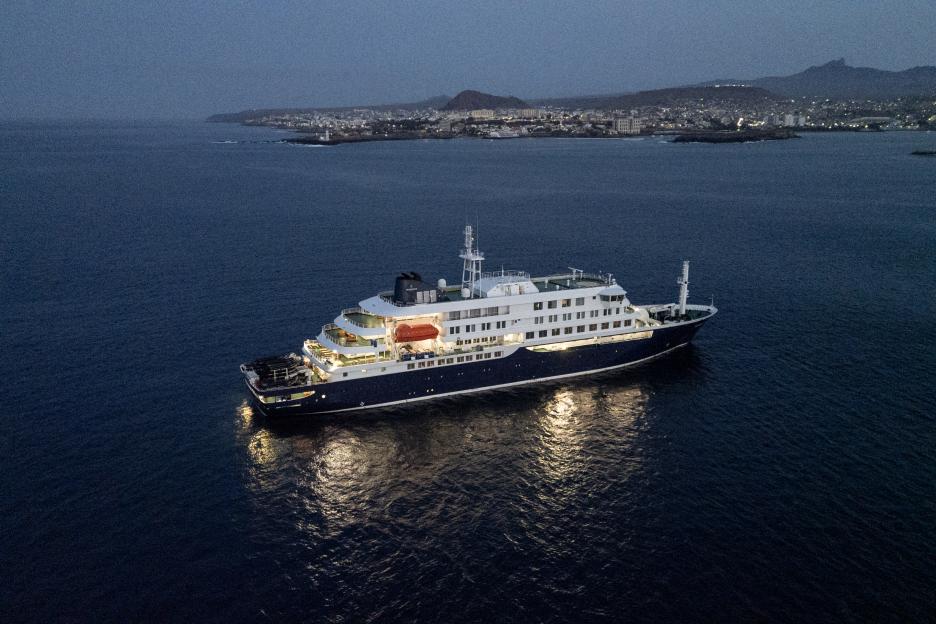 The MV Hondius off the port of Praia, the capital of Cape Verde Credit: AFP
For the illness to pass between people, they need to be in very close contact.
Now, Bath University scientists have developed a new vaccine against Hantaan disease.
This is a strain of the virus typically found in East Asia that causes Hemorrhagic Fever with Renal Syndrome (HFRS), a severe illness characterised by fever, bleeding and kidney failure.
Prof Asel Sartbaeva, a chemist from the University of Bath, said: “Currently there is no effective vaccine against Hantaviruses, leaving large populations in Southeast Asia, Africa and South America vulnerable to diseases that are originated and transmitted by rodents.
“This is a completely new vaccine that has now been tested in the laboratory and in animal models, indicating excellent immune response.
“While more work needs to be done to bring this vaccine to public (clinical trials and approvals) this is a very promising development of a completely new and needed vaccine.”
She told the BBC : “Obviously, developing a vaccine would be amazing because then we can prevent instances of this disease happening or at least mitigate the really bad consequences of the infection.”
Currently many vaccines can only be transported at freezing temperatures, but Prof Sartbaeva and the team want to change that with a method called ensilication.
This would allow vaccines to remain stable without being refrigerated, making it easier to deliver to remote regions.
MV Hondius is expected to dock in Tenerife on Sunday, according to the latest updates from the Spanish health ministry.
The UKHSA said: “UK Government staff will be on the ground ready to support the British nationals disembarking.
“British passengers and ship crew not displaying any symptoms of hantavirus will be escorted by UK Government staff to an airport and given free passage back to the UK.”
All British passengers and crew from the ship are being asked to isolate for 45 days upon returning to the UK, with close monitoring by UKHSA officials.
“Follow-up is already under way for individuals who may have been in contact with cases and have since returned to the UK or are in in UK Overseas Territories,” the statement added.
Two Brits are currently self-isolating at home in the UK after they left the ship.
They flew back to the UK via Johannesburg after disembarking in St Helena.
Four Britons in total remain on the South Atlantic remote islands. A seventh individual has been traced outside the UK, according to the UKHSA.
Some 19 British nationals in total were listed as passengers on the MV Hondius, with four British crew members.
A 69-year-old British man who was taken off the ship with symptoms is currently receiving intensive care treatment at a private health facility in Sandton, Johannesburg, and is said to be improving.
Another Briton, Martin Anstee, 56, was taken off the ship on Wednesday and flown to the Netherlands to receive specialist medical care. He is also improving.
The World Health Organization (WHO) said it expected a few more people to be diagnosed with hantavirus but this was “not the start of a pandemic”.
Dr Maria Van Kerkhove said in briefing yesterday: “We completely understand why these questions are coming but this is not the same situation we were in six years ago.”