COMMUTERS are facing fresh travel turmoil this week as London Underground drivers prepare to walk out.
Members of the Rail, Maritime and Transport (RMT) union are set to , with disruption expected from the first train to the last on affected days.
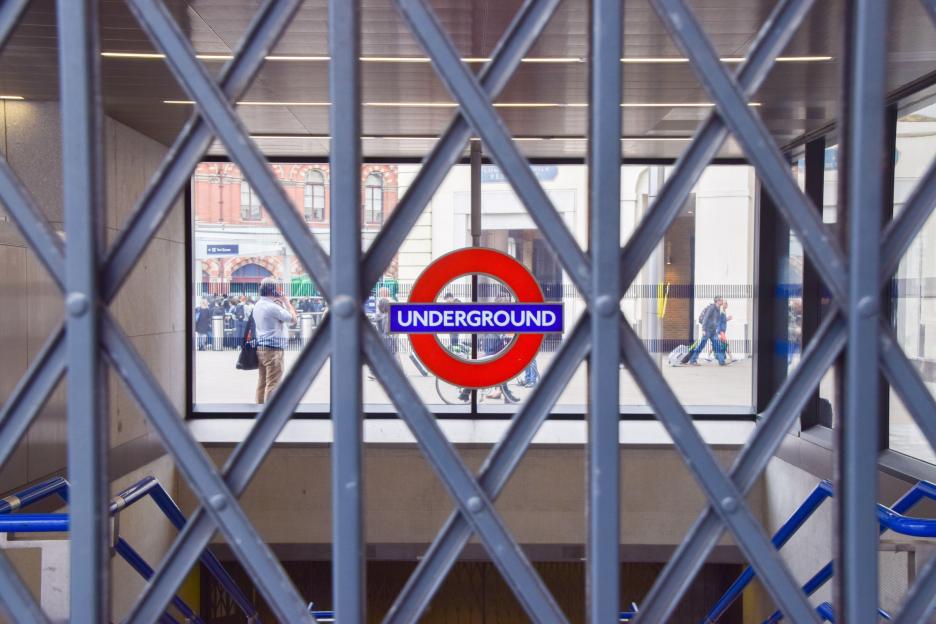 London Underground drivers are planning industrial action in the first week of June Credit: Alamy
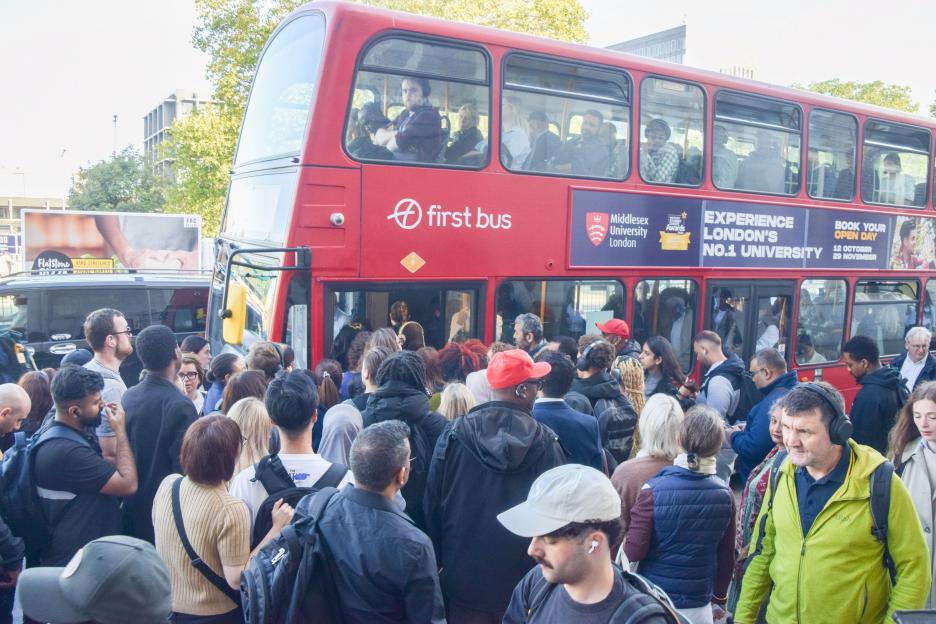 Buses are due to run as normal, but are often very crowded during Tube strikes Credit: Alamy
When are the London Underground strikes this week?
The are planned to take place across two days this week, each running for a full 24 hours:
- Tuesday, June 2 (00:01 to 23:59)
- Thursday, June 4 (00:01 to 23:59)
The Associated Society of Locomotive Engineers and Firemen (Aslef) members are not expected to take part.
(TfL) has said there will be services on most Tube lines.
However, disruption is likely, service levels will vary, and trains are due to start late and finish early.
Which Tube lines will be affected?
No service is expected on the , on the Metropolitan line between Baker Street and Aldgate, and on the Central line between White City and Liverpool Street.
Other Tube lines are expected to run, but service levels will vary and journeys are likely to be disrupted.
TfL is warning that services before 6.30am will be limited, and that customers should aim to finish journeys by 9pm.
TfL currently expects normal service on Wednesday, June 3, and Friday, June 5, although some knock-on disruption is always possible.
If you must travel, there are alternatives.
The , London Overground, DLR and buses are due to run as normal, and services are not directly affected by the strikes.
It is worth checking with your train operator before travelling, and passengers can expect TfL’s other services to be busier than usual.
E-bikes have proved popular during recent strikes, with Lime reporting a 22% week-on-week spike in trips on April 23, and Forest seeing evening rush-hour rides soar by more than 50%.
Why are the Tube strikes taking place?
The between the RMT and TfL over plans for a condensed four-day working week for Tube drivers.
says the plan would mean longer shifts and could increase fatigue and safety risks.
Meanwhile, TfL says it would not increase contractual hours and is intended as an optional change.
The union has branded the offer a “fake four-day week”, arguing it simply compresses the same workload into fewer days.
Announcing the latest dates, RMT general secretary Eddie Dempsey said: “We have approached negotiations with TfL in good faith throughout this entire process.
“But despite our best efforts, TfL seem unwilling to make any concessions in a bid to avert strike action.
“This is extremely disappointing and has baffled our negotiators.”
TfL chief operating officer Claire Mann said: “We are disappointed to see the RMT continue with this industrial action.
“We still believe that the points they have raised can be worked out in time, through more detailed discussions and we are continuing to talk to the union’s representatives to find a way to avoid disruption to London.
“Our proposals are, and have always been, clear. The completely voluntary four-day week has been designed to improve work-life balance and any of our Tube drivers who do not wish to take up the new proposed way of working can remain on a five-day working pattern.”
Could the strikes still be called off?
There is a glimmer of hope for commuters in .
, set for May 19-20 and 21-22, were suspended just 24 hours before they were due to begin.
The same thing could happen again if both sides reach a breakthrough.
No further strike dates have been announced after June 4, but more could be called if no agreement is reached.
It is a always good idea to give yourself plenty of extra time and check the TfL website or journey planner before setting off.