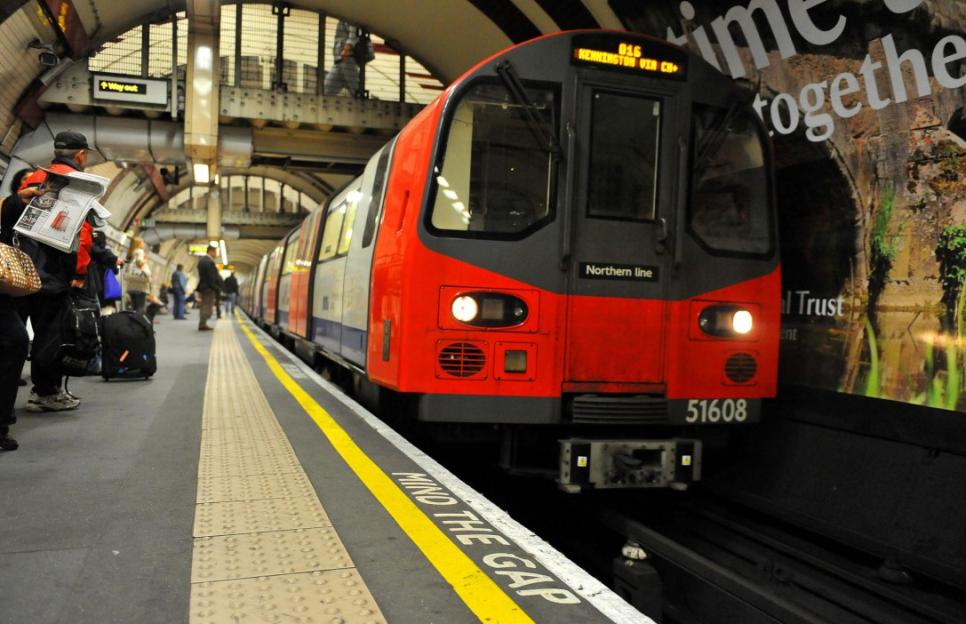
TUBE strikes are set to go ahead this week after talks aimed at averting the action have broken down.
Members of the Rail, Maritime and Transport (RMT) union are to walk out in a dispute over plans by Transport for London (TfL) to introduce a voluntary four-day working week.
Two 24-hour strikes by London Underground drivers will go ahead on Tuesday and Thursday.
Services will be disrupted from 00.01am to 11.59pm on both days, said TfL.
However, unlike previous strikes in 2026, the whole-day walkouts mean that the days either side should not be affected.
The two sides met for last-ditch talks on Monday, but the RMT union said TfL “failed to provide assurances” over concerns about longer working hours and driver fatigue.
TfL said it would be able to operate a service on most lines, albeit with delays and fewer trains.
TfL previously said it aimed to run at least half of Tube services, but the Circle and Piccadilly lines will shut down and parts of the Metropolitan line and Central line will be suspended.
It comes after a walkout last month was cancelled at the last minute.
At the time, the RMT’s leadership said there had been signs of progress in meetings with TfL but there has been little shift from either side since.
TfL is introducing a voluntary four-day week shift pattern for Tube drivers.
It says this will provide those who wish to take up the opportunity a shorter overall working week, albeit with slightly longer day.
Claire Mann, the chief operating officer at TfL, said: “We are disappointed to see the RMT continue with this industrial action.
“We still believe that the points they have raised can be worked out in time, through more detailed discussions, and we are continuing to talk to the union’s representatives to find a way to avoid disruption to London.
“Our proposals are, and have always been, clear.
“The completely voluntary four-day week has been designed to improve work-life balance and any of our Tube drivers who do not wish to take up the new proposed way of working and associated changes to working arrangements can remain on a five-day working pattern.”