FARE dodgers will be stopped in their tracks by new taller anti-jump gates in a £33million crackdown on ticket cheats.
The beefed-up barriers will be rolled out at across England in a bid to stop chancers simply jumping over them.
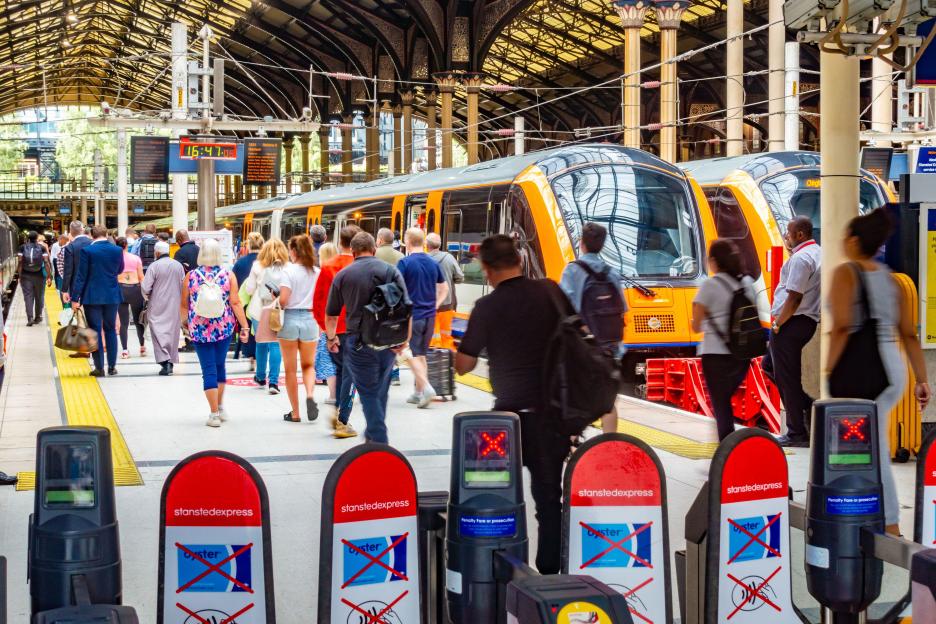 Fare dodgers will be stopped in their tracks by new taller anti-jump gates in a £33million crackdown on ticket cheats Credit: Alamy
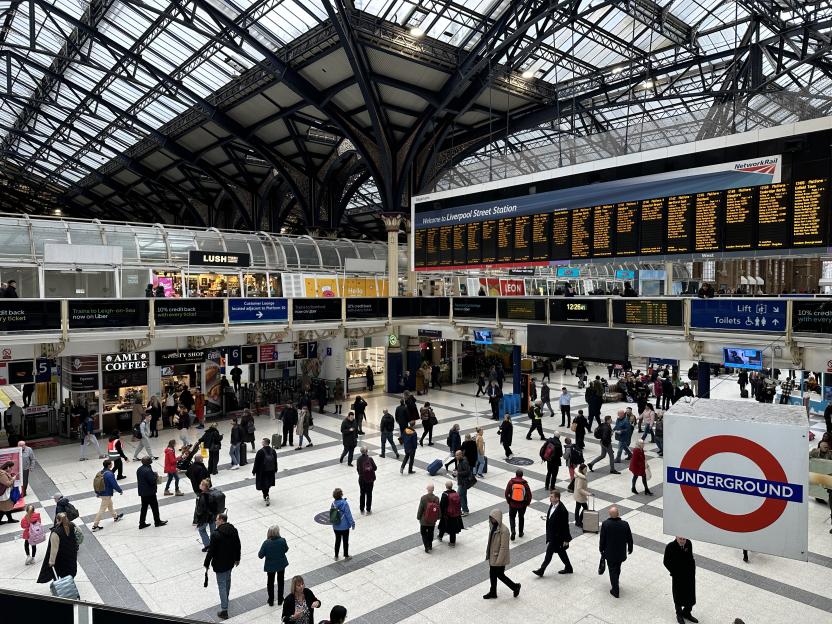 The beefed-up barriers will be rolled out at railway stations across England in a bid to stop chancers simply jumping over them Credit: Darren Fletcher
Standard waist-high ticket gates will also be installed at stations that currently have none, making it far harder for passengers to travel without paying.
Ministers hope the blitz will claw back up to £400million lost to fare evasion every year.
The first wave will include hotspots such as Liverpool Lime Street, Manchester Piccadilly, Stafford, Stevenage, Elephant and Castle, Worthing, Nuneaton and Tamworth.
Transport Secretary told The Sun: “Fare evasion is a blight on our railways costing up to £400 million a year, which is why we’re stopping fare dodgers who take the system for a free ride in their tracks.
“When people chose not to buy a ticket, they are actively making journeys worse for their fellow passengers – costing hundreds of millions of pounds every year which could otherwise be used to improve services.
“That’s why as we rollout Great British Railways, we’re rolling out more ticket gates at stations across England – protecting honest fee-paying passengers and making sure cash in our railways goes into improving their journeys and building a fairer, more reliable service passengers can trust.”
Other stations set to receive new barriers include Market Harborough, Witham, Rayleigh, Ware, Hertford East, Manningtree, Royston, Gipsy Hill and Worcester Foregate Street.
has earmarked £33.4million for the first phase of the scheme.
The first gates are expected to be in place during the first half of 2027, with the rollout completed by mid-2028.
The barriers will scan digital tickets, accept paper tickets and allow contactless “tap out” journeys where available.
The move is part of ministers’ wider overhaul of Britain’s railways ahead of the creation of .
Ministers also plan to expand contactless Pay As You Go travel, trial more digital ticketing and launch a new rail app.