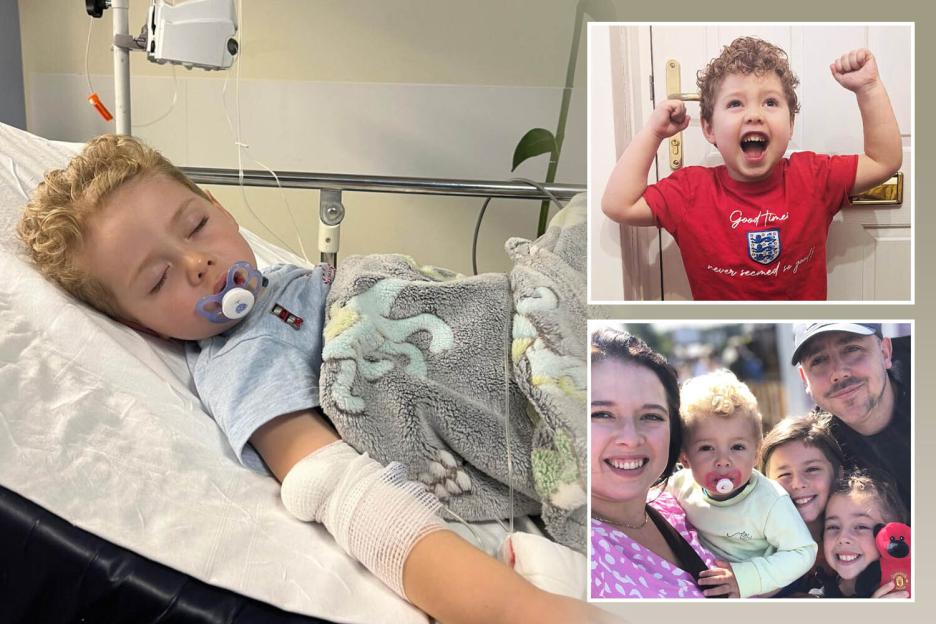
CHLOE Wyman knew in her gut that something wasn’t quite right with her two-year-old son, who doctors had diagnosed with everything from constipation to teething, or being a picky eater.
It was when little Edison took a nap that seemed out of character that Chloe, 34, had enough and demanded more tests from the hospital, her instinct telling her something else was going on – and it saved his life.
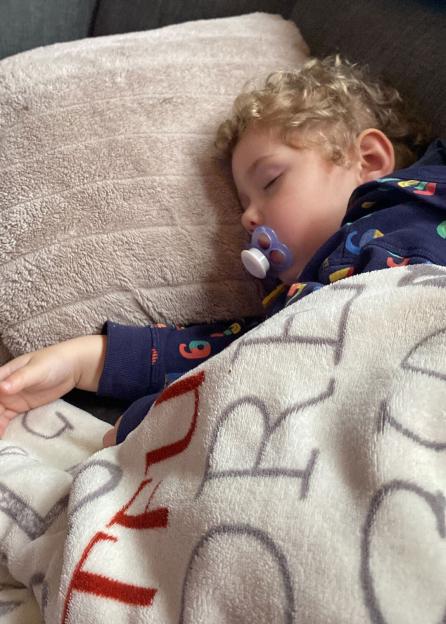 Edison took a nap that his mum thought was out of character Credit: Jam Press
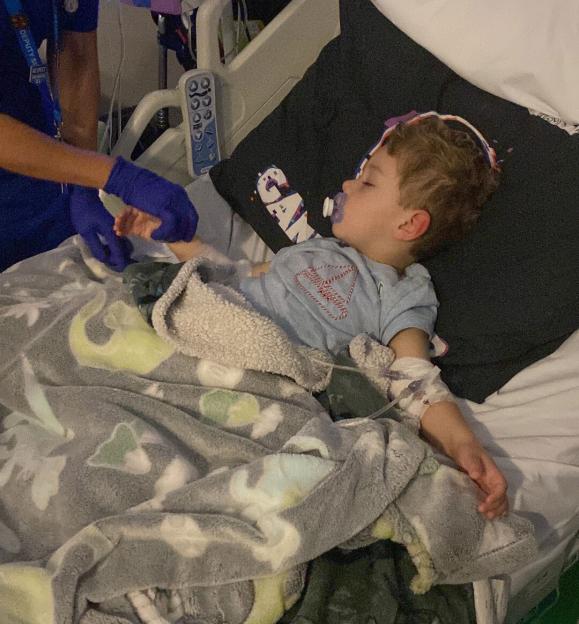 Chloe says “everything happened so quickly” and there “wasn’t time to fully process what was happening”. Credit: Jam Press
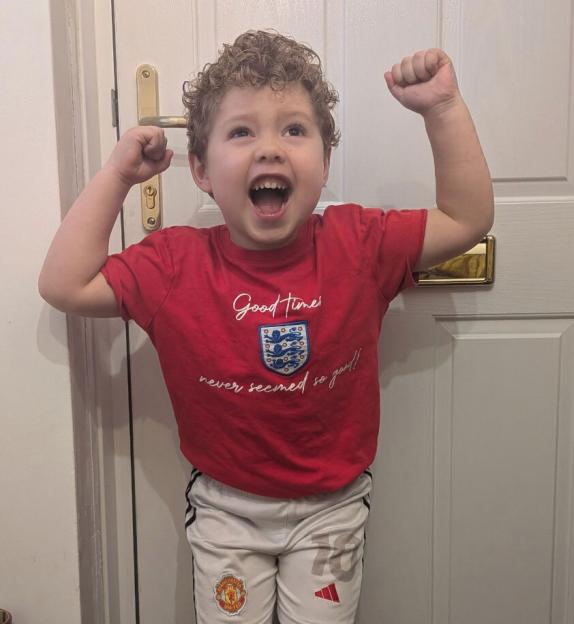 Edison had ‘noticeable mood swings’ and ‘became very picky with eating’ in the lead-up to March 2024 Credit: Jam Press
It turns out Eddie was just ‘hours from dying’ that morning in March 2024.
“Being told he was only hours away from death is something that will stay with us forever,” says the Essex mum, who has been with her partner for eight years, Aran Pierce, 38, a store assistant manager, who also has two children from a previous relationship.
“The doctors said: ‘He is very poorly, you have to let us save him. [They’re] no words a parent wants to hear. It was absolutely terrifying.”
Edison, now four, had life-threatening , a dangerous complication of type 1 .
Chloe says “everything happened so quickly” and there “wasn’t time to fully process what was happening”.
“As parents, that feeling of not knowing if your child is going to survive is indescribable. It was fear like we’ve never experienced before,” she says.
“We felt completely helpless watching him deteriorate; especially knowing we had asked for help the day before.”
Almost 370,000 Brits have , a lifelong autoimmune condition that means your body can’t make insulin, leaving you with high blood sugar levels.
Unmanaged type 1 diabetes can lead to nerve damage, and , and needs urgent hospital treatment.
Fortunately, Edison’s condition was caught in time, and he was formally diagnosed in March 2024.
Only a year later, Lyla Story, from , died at the age of two after her type 1 diabetes was missed.
Her family are campaigning for Lyla’s Law – routine testing for children with – delivering a petition with 125,000 signatures to Downing Street in March.
Lyla died less than 24 hours after she was diagnosed with acute tonsillitis in May 2025, when she actually had type 1 diabetes.
Edison had also been misdiagnosed with tonsilitis.
Chloe says: “He often seemed unwell. These symptoms were frequently explained as typical for his age, and he was diagnosed several times with tonsillitis, chest infections, and constipation.
“In the months leading up to his diagnosis, he had noticeable mood swings, became very picky with eating, and would have bursts of followed by significant drops.”
The day before his diagnosis in March 2024, Edison randomly fell asleep, which was out-of-character.
Chloe took Edison to A&E with a list of his ongoing symptoms.
“Edison also experienced extreme thirst, frequent urination, fatigue, and irritability,” remembers Chloe.
During an assessment, the parents were asked if anybody in their family had a of diabetes, not aware of the gravity this question posed.
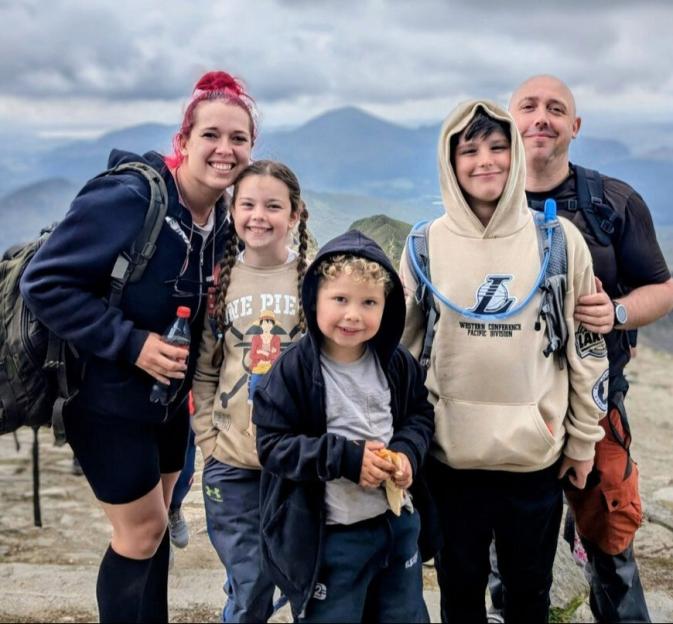 Edison, now four, had life-threatening diabetic ketoacidosis, a dangerous complication of type 1 diabetes. He is pictured with family – mum Chloe, her partner of eight years, Aran Pierce, 38, and his kids Darcy and Bobby Credit: Jam Press
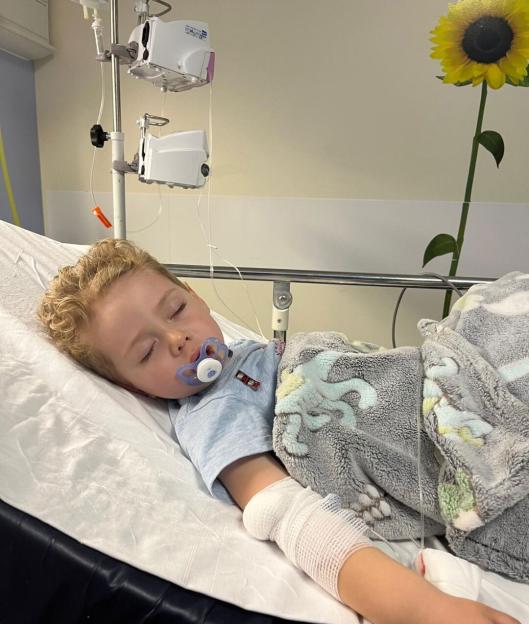 Little Edison was rushed to hospital when his mum just knew something was more wrong than doctors were realising Credit: Jam Press
 Deadly diabetic ketoacidosis can be 'first sign of diabetes in kids' - know the signs
Diabetic ketoacidosis is a serious, life-threatening complication of diabetes (primarily type 1) that occurs when your body doesn’t have enough insulin to allow blood sugar into your cells for energy.
When this happens, your body enters a “starvation state” and starts breaking down fat for fuel at a dangerously fast rate.
This process produces acidic chemicals called ketones. If ketones build up in the blood, they make it acidic, which can lead to a diabetic coma or death if not treated immediately.
DKA can happen when people first develop type 1 diabetes and have not yet been diagnosed, particularly children, the NHS says.
Symptoms of diabetic ketoacidosis (DKA) include:
- Feeling thirsty
- Needing to pee more often
- Stomach pain, feeling sick or being sick
- Diarrhoea
- Breathing more deeply than usual
- Breath that smells fruity (like pear drop sweets or nail polish remover)
- Feeling tired, sleepy or confused
- Blurred vision
The symptoms usually develop over 24 hours, but it can be faster.
“There is some family history, as Edison’s paternal grandmother had type 1 diabetes, but we didn’t have a clear understanding of the signs or how it presents in young children,” says Chloe.
Despite already being at hospital, they were advised to get a referral from their for further tests and were reassured there was “nothing to worry about”.
The family went home, but Edison went rapidly downhill overnight.
Chloe says: “He began vomiting and we grew increasingly concerned. We spent the whole night researching his symptoms, including diabetes.
“The next morning I called the doctors and got an appointment first thing. We asked for a finger prick test that showed high blood glucose levels and ketones (a chemical the liver produces when it breaks down fats).”
That blood test ultimately saved Edison’s life. The GP called the hospital to prepare them for the family’s arrival.
“But no parent should have to watch their child become critically unwell before getting answers,” says Chloe.
Doctors worked quickly to stabilise him – giving fluids and insulin to bring his levels down safely – and after two days, Edison was stable.
Since then, the family have educated themselves on the four T’s to look out for: Toilet, Thirsty, Tired and Thinner.
All of these recognisable symptoms can be early signs of type 1 diabetes or a potential ketoacidosis episode.
Edison now does his own finger pricks daily and is learning how to cope with his condition.
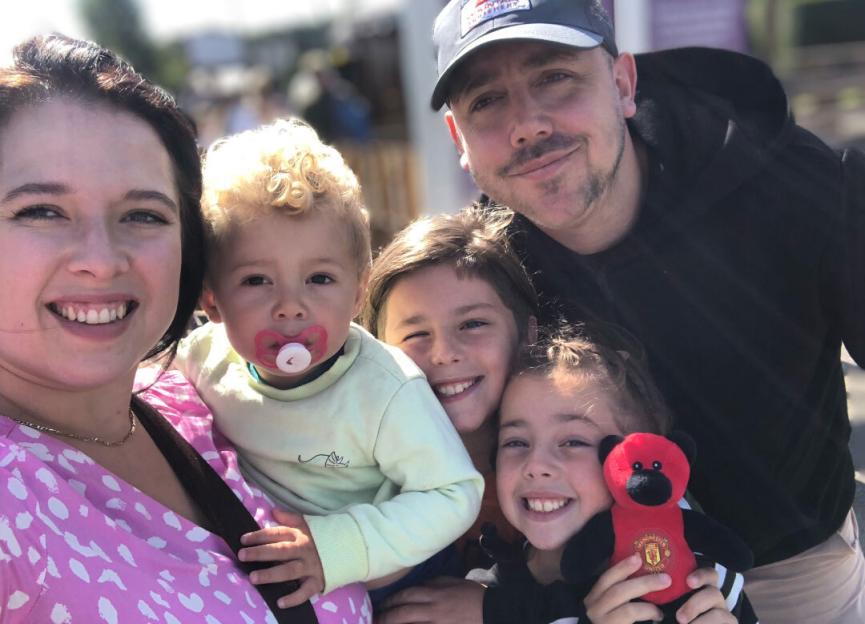 “Being told he was only hours away from death is something that will stay with us forever,” says mum Chloe Credit: Jam Press
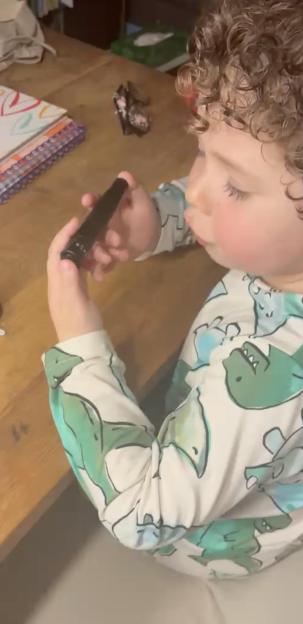 Edison now does his own finger pricks daily and is learning how to cope with his condition Credit: Jam Press
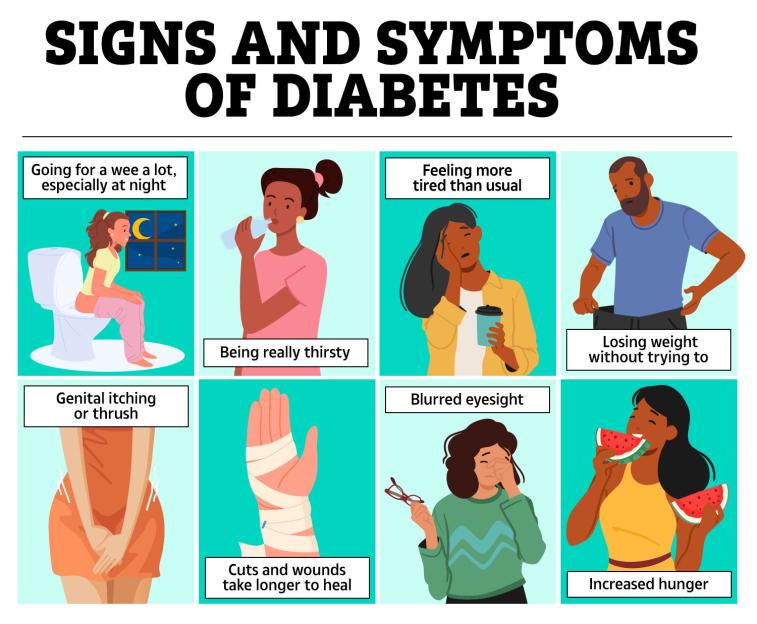 Symptoms of diabetes
Chloe, who has stopped work to be his full-time carer, added: “As parents, it is incredibly difficult to process that there were missed opportunities to recognise what was happening sooner.
“Both of us trusted the advice we were given, but deep down, we knew it wasn’t right.
“Looking back, the signs were there, but we didn’t know what to look for – and that’s the problem.
“Our lives have changed completely. Type 1 diabetes is a serious, lifelong condition that requires constant care, attention and vigilance each day.
“It needs the same level of awareness as .
“And greater accountability within healthcare settings so that the signs are recognised and acted upon earlier.
“If sharing our story helps even one family recognise the signs sooner and avoid their child’s life hanging in the balance, then it’s been worth it.”
Type 1 vs Type 2 diabetes
There are two main types of diabetes, which causes a person’s blood sugar level to become too high.
Type 1 diabetes is a lifelong condition where the body’s immune system attacks and destroys the cells that produce the hormone insulin.
It affects around 344,000 people in the UK.
Type 2 diabetes on the other hand is far more common, accounting for more than 90 per cent of the 4.4million adults with diabetes.
It occurs when the body doesn’t produce enough insulin, or the body’s cells don’t react to it properly.
There are no lifestyle changes you can make to lower your risk of type 1 diabetes.
But you may be at higher risk of type 2 diabetes if you are overweight or obese, eat unhealthily, have a family history of the condition, take certain medications for a long time, have high blood pressure, and have had gestational diabetes during pregnancy.
People of Asian, Black African or African Caribbean origin are also at increased risk.
Source: NHS and Diabetes UK