A GARDEN expert has warned homeowners that leaving three everyday items in their shed over winter could see them ruined by freezing temperatures and damp conditions.
While many people shut the shed door until spring, experts say winter is actually the most important time to protect tools and supplies.
 Items such as paint, glue and finishing solutions can freeze, split and become useless in cold conditions, often forcing homeowners to replace themCredit: Getty Images/iStockphoto
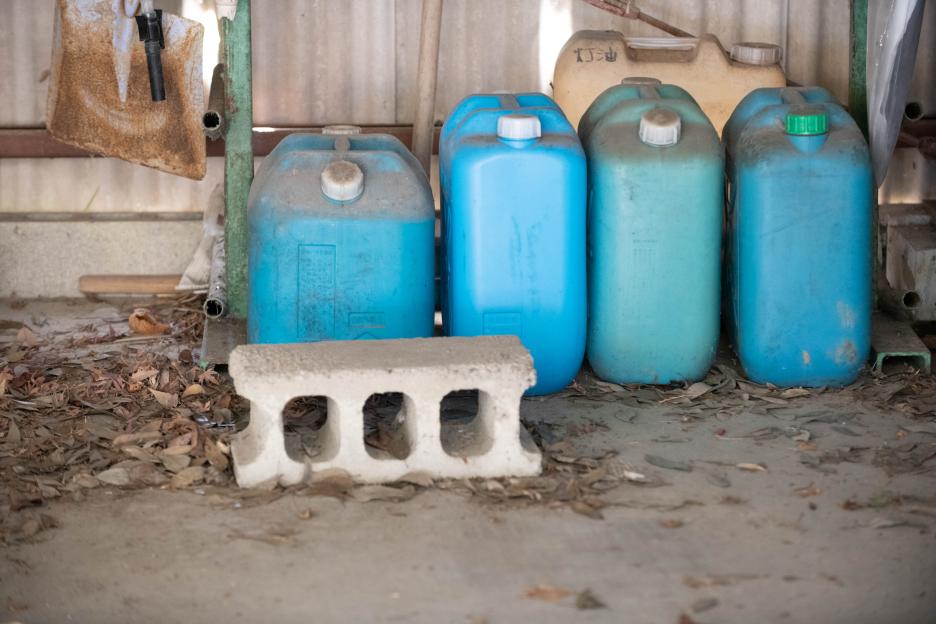 Products that contain liquids are also vulnerable when temperatures fallCredit: Getty Images
After months of use, sheds often become cluttered with tools left scattered, shelves overfilled and equipment dumped wherever it was last used.
But taking time to organise storage now could prevent expensive damage and make life easier when the new gardening season begins.
shed specialist Sam Jenkinson from garden building retailer Tiger has revealed the items that could be destroyed if left inside a shed during the colder months.
Speaking to Wales Online, Sam said, “There are certain items that shouldn’t be left in your garden shed during the colder months, particularly anything that is sensitive to freezing temperatures.”, reports the Mirror .
He explained that batteries are one of the biggest risks, saying: “Batteries for power tools, such as cordless drills and hedge trimmers, can lose their charge or degrade if left in the cold, reducing their lifespan or making them unusable by spring.”
Products that contain liquids are also vulnerable when temperatures fall.
Items such as paint, glue and finishing solutions can freeze, split and become useless in cold conditions, often forcing homeowners to replace them.
In some cases, containers can even crack or leak, creating a mess and damaging nearby tools and materials.
Rust is another major issue during cold, damp weather. Sam added:
“Smaller items such as drill bits, saw blades, and lubricants can also rust or thicken in damp conditions.
“The best way to protect these items is to move them indoors, to a dry location and frost-free until the weather warms.”
However, batteries, paints and metal tools are not the only shed items at risk over winter.
Experts also warn that lawn care products, including and fertiliser, can be damaged by frost and may lose their effectiveness.
and pressure washers can split if any water inside freezes and expands.
Wooden tool handles can crack in extreme cold, while seed packets left in damp sheds may become mouldy and unusable by spring.
Meanwhile, the Royal Horticultural Society has shared further advice for keen to protect their outdoor spaces during winter.
They advised: “Now’s the time to prune apples, pears, quinces and medlars.”
December is also the perfect time to focus on soft fruit, with the RHS adding: “Prune autumn raspberries. Prune red and white currants and gooseberries.”
They also recommend using sharp, sterilised tools to prevent damage and stop disease spreading between plants.
Clearing dead branches first helps plants recover and encourages healthy new growth, while thinning allows better airflow and more sunlight.
 Wooden tool handles can crack in extreme cold, while seed packets left in damp sheds may become mouldy and unusable by springCredit: Getty Images/iStockphoto