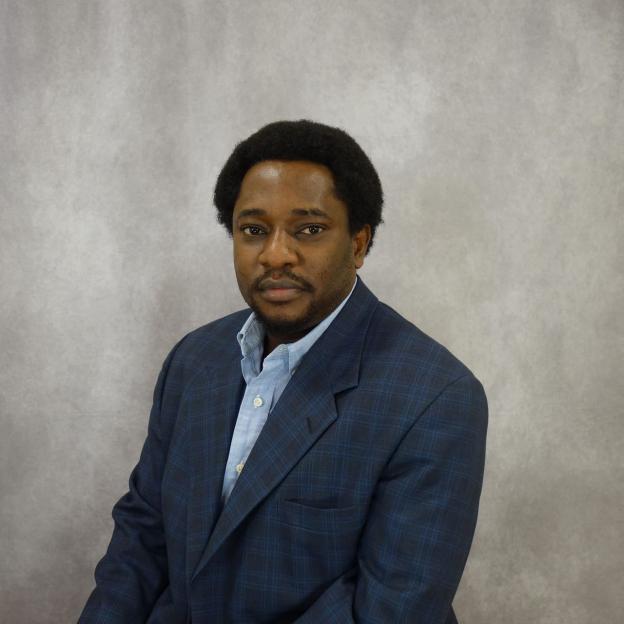
A mental health expert, Ezera Emetu, has warned that Nigeria’s continued criminalization of attempted suicide is undermining suicide prevention efforts and worsening the country’s mental health crisis.
Emetu spoke within the week during the World Suicide Prevention Day, with the theme: “Changing the Narrative on Suicide.”
He said Nigeria must urgently shift from punishment to treatment in its response to people experiencing severe psychological distress.
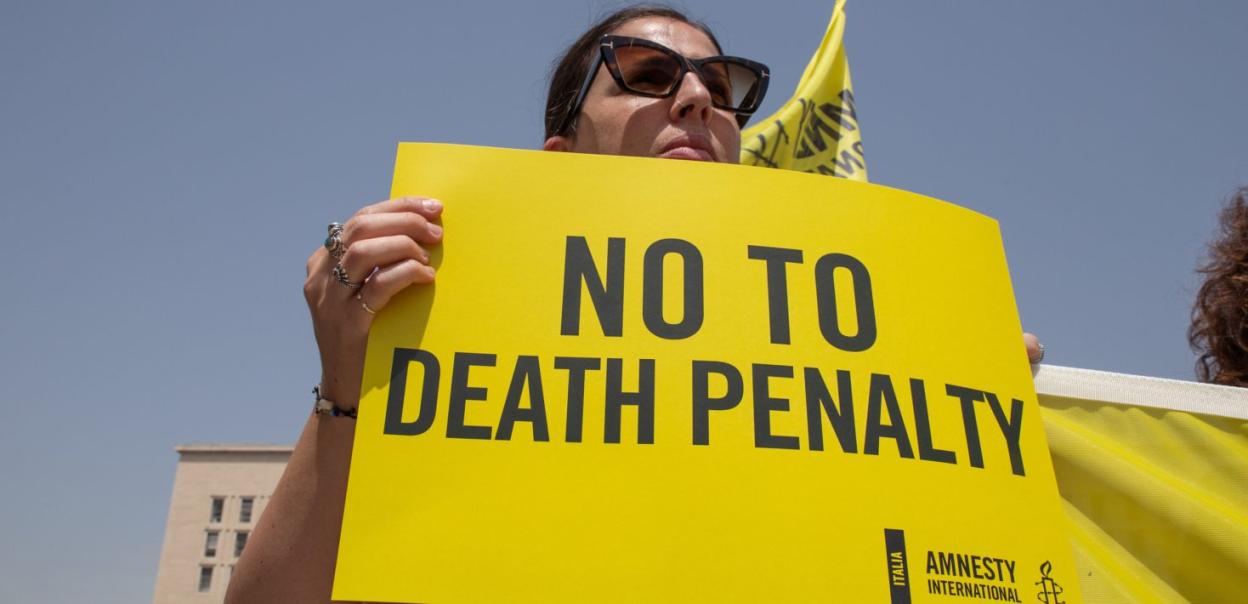
Under Section 327 of the Nigerian Criminal Code, attempted suicide remains a criminal offence, exposing individuals in crisis to arrest and prosecution rather than medical care. According to Emetu, the law fuels stigma, discourages help-seeking, and pushes suicidal behaviour underground.
“Suicide is not a crime problem, it is a health problem,” Emetu said, adding: “when people fear arrest, they hide their pain instead of seeking help. That silence costs lives.”
Available public health estimates suggest that more than 15,000 Nigerians die by suicide each year, a figure experts believe is underreported due to stigma, cultural silence, and fear of legal consequences. Research also shows that nearly 90 per cent of suicide cases are linked to mental health and substance use disorders, with depression being a leading factor.
Despite the scale of the problem, access to care remains limited.
Nigeria has fewer than 300 psychiatrists serving over 200 million people, leaving most communities without professional mental health services. Experts say this shortage, combined with criminalization, creates a dangerous gap between need and care.
Emetu, whose mental health advocacy began in Nigeria through community education and outreach programmes, said many individuals delay or avoid treatment because mental illness is still widely misunderstood as a moral or spiritual failing.
“No one recovers from depression because they were arrested,” he said.
“Criminalization reinforces the false belief that mental illness is weakness, rather than a medical condition that responds to treatment,” he further stated.
He noted that countries which have decriminalized attempted suicide and adopted public health–based approaches have recorded improved help-seeking behaviour and reductions in suicide deaths.
While acknowledging the role of family, culture, and spirituality in supporting emotional wellbeing, Emetu stressed that these cannot replace access to professional care. He called on policymakers to repeal laws criminalizing attempted suicide and invest in community mental health services, crisis support systems, school-based counselling, and public education to reduce stigma.
“If Nigeria is serious about suicide prevention, it must change the narrative.
“Every suicide attempt is a cry for help, and the response should be care, not punishment,” Emetu said.