AN ESCORT has revealed that she got sterilised at 29 and “doesn’t regret it for a second.“
For Katija Cortez, 30, becoming a was never a “someday” situation – she always knew she never wanted .
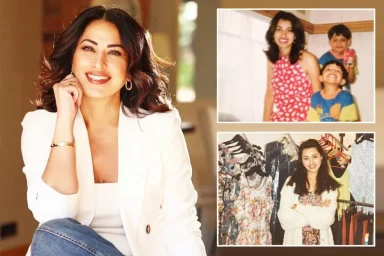
 A woman has revealed that she sleeps with married men for a living and made the decision to get sterilised at the age of 29Credit: Instagram.com/playmatekatija
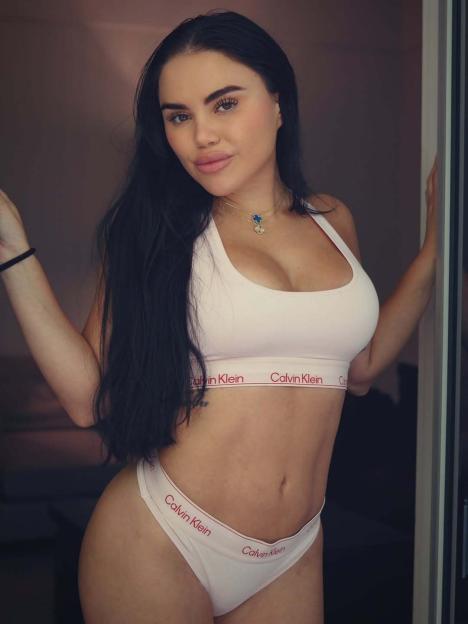 Katija Cortez, 30, is now “tired, sore, and crampy” after the surgery, but she doesn’t “regret it for a second”Credit: Instagram.com/playmatekatija
Not only this, but the , who is from , , and , even refuses to dads.
As reported by Daily Star , Katija’s decision certainly wasn’t an impulsive one.
After more than 10 years of being on , prior to her thirtieth birthday the model made the more permanent solution.
Sharing her decision to get sterilised, Katija, a said: “I’ve never wanted kids. Not someday. Not ‘maybe later’. Never.
“I’ve always known what I want. I don’t date men who want kids – it’s a first-date question for me.”
Katija, who was on hormonal contraception since she was 16, spent more than a decade using the Implanon implant without issues – until last year.
After having the rod replaced, she was suddenly hit with debilitating symptoms including , brain fog, intense food cravings, constant bleeding and an inability to function normally, which is when she made the decision to get .
While Katija’s friends were supportive, there was scepticism too.
Katija acknowledged: “Everyone said, ‘Good luck finding a doctor who’ll agree’. I thought, why would this be hard? I’m 30, not 20.”
After months of waiting for the , Katija finally got the go-ahead.
But rather than getting her , she opted to have them completely , meaning the procedure could not be reversed.
She explained: “I just didn’t feel safe with them tied. I wanted certainty.”
How to choose the best method of contraception
THERE are numerous contraception options available on the NHS and privately, and finding the right one for you can take time.
Things to consider when deciding what contraception to use include how often you need to use it.
Some methods, like the coil, are long acting, while others you need to take every day or use every time you have sex, like the pill and condoms.
Hormonal methods of contraception can also sometimes leave users with side effects like headaches, feeling sick, mood swings, weight gain, sore breasts and acne.
These types can carry a very small risk of health issues like blood clots and breast cancer too, meaning hormonal methods won’t be suitable for everybody.
On top of this, some types will be more effective than others.
The implant and coil are deemed to be 99 per cent effective at preventing pregnancy, as is the pill and patch if used correctly.
But condoms can sometimes break and methods like natural family planning – tracking when you’re most fertile and avoiding sex at those times – tend to be less effective.
Speak to your GP about which of the following might suit you best:
- Combined pill (contains progestogen and oestrogen)
- Mini pill (contains progestogen only)
- Copper coil or intrauterine device (inserted into the womb and doesn’t contain hormones)
- Hormonal coil or intrauterine system (inserted into the womb and releases progestogen)
- Implant (inserted under the skin on your arm and releases progestogen)
- Injection (progestogen)
- Patch (worn on the skin and releases progestogen and oestrogen)
- Vaginal ring (put in the vagina and releases progestogen and oestrogen)
- Condoms (worn on the penis)
- Internal condoms (put in the vagina before sex)
- Female sterilisation (permanently stops eggs meeting sperm)
- Vasectomy or male steralisation (permanently stops sperm being ejaculated)
- Diaphragm or cap (put inside the vagina before sex to stop sperm getting into the womb)
- Natural family planning (includes tracking your menstrual cycle to avoid sex when you are most fertile)
- Morning after pill (to be used in emergency situations three to five days after sex)
Source: NHS
The surgery left Katija “tired, sore, and crampy,” but she doesn’t have any regrets.
For the , who has appeared on the cover of , sterilisation wasn’t about rejecting family or femininity, it was about autonomy.
Katija stressed her desire to take her back and opened up on why she is being vocal about her .
She explained: “I’m sharing this because and a woman’s right to choose not to have children just isn’t talked about enough. Especially when you’re single, and work in my industry.”
The self-dubbed also added: “If even one woman feels less alone because I shared this then it was worth it.”