Table of Contents
- Concerns Raised by SALS
- Remarks from SALS President
- Issues with Multiple Taxes
- Introduction of National Single Window
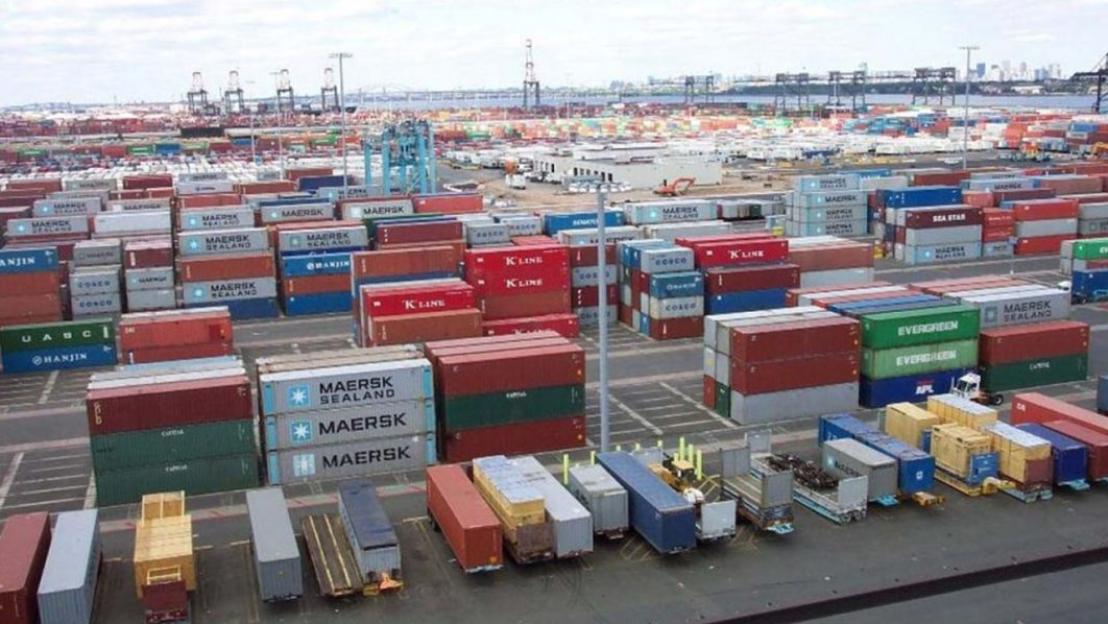
The Shippers Association of Lagos State (SALS) has expressed alarm over what it calls debilitating operational challenges at the Lagos ports. These challenges include numerous levies, illegal checkpoints, arbitrary container stoppages, lengthy delays, excessive bureaucracy, and a system that penalizes compliant traders, all of which serve as significant obstacles to trade.
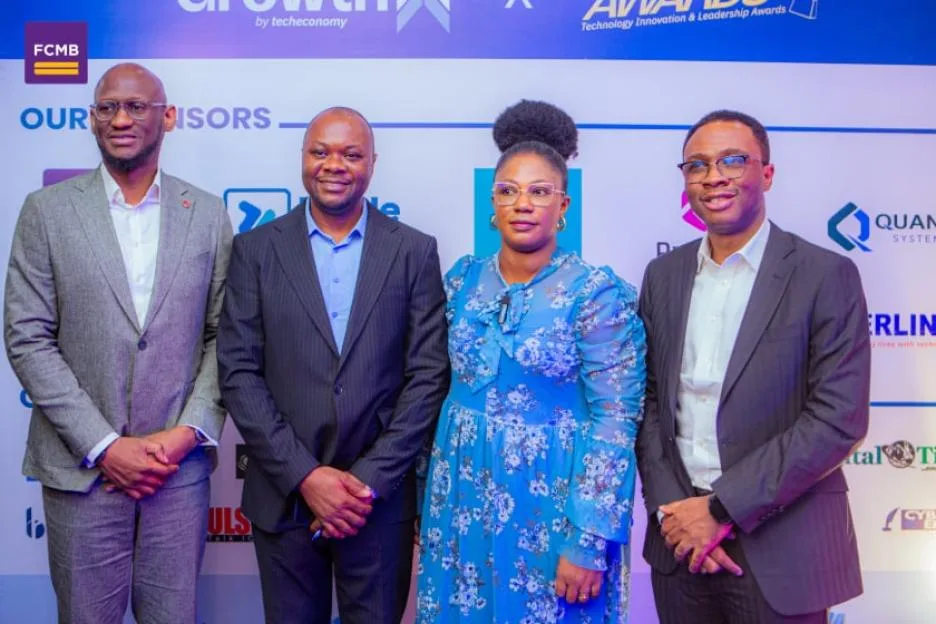
SALS President Nicodemus Odolo made these remarks on Wednesday during the 2025 Shippers’ Day celebration held in Lagos.
He cautioned that the deteriorating operational environment is deterring Nigerians from engaging in import and export activities, noting that the number of active shippers is steadily declining due to the increasingly unfavorable business conditions.
This year’s event, themed “Challenges Between Revenue Generation and Trade Facilitation,” included presentations from key sector regulators such as the Nigeria Customs Service (NCS), the Nigerian Shippers’ Council (NSC), and other port stakeholders.
Odolo expressed his frustration that shippers who try to adhere fully to regulations often encounter longer delays and increased costs.
“My cargo can remain at the port for three months simply because I want to follow the proper procedures. In Nigeria, anyone who opts to do things the right way ends up suffering, while those who take shortcuts are rewarded,” he stated.
He also criticized the practice of security personnel stopping export-bound containers on highways to question Customs duties, labeling it as illegal and outside their official authority.
In his comments, the Executive Secretary/Chief Executive Officer of the Nigerian Shippers’ Council, Dr. Pius Akutah, addressed the issue of multiple and overlapping taxes imposed throughout the logistics chain.
He pointed out that inconsistent fiscal policies distort market prices, create uncertainty, and weaken Nigeria’s standing as a regional trade hub.
Akutah acknowledged the concerns raised by stakeholders regarding the Nigeria Customs Service’s four percent levy on the Free on Board value of imported goods.
He assured attendees that the NSC has started discussions with relevant authorities to ensure that any policy changes are thoroughly assessed, harmonized, and aligned with national economic priorities.
“Fiscal policies within the port ecosystem should facilitate trade, not obstruct it,” he remarked. “We are committed to advocating for reforms that promote fairness, transparency, and efficiency.”
Presenting a paper titled “National Single Window: Simplifying Trade Processes for Nigerian Shippers,” the Comptroller-General of Customs, Adewale Adeniyi, indicated that the Federal Government’s unified digital trade platform is expected to help propel economic growth to $1 trillion by the first quarter of 2026.
Adeniyi, represented by Mohammed Babandede, the Zonal Coordinator of Zone A, explained that the National Single Window will integrate all trade and regulatory agencies into a centralized digital system, facilitating smoother operations, reducing bottlenecks, and enhancing revenue performance.
He also clarified that the National Single Window and the B’Odogwu system are interconnected elements of Nigeria’s developing digital trade framework.
According to him, both systems will collaborate to align Nigeria’s trade processes with global standards, minimize duplication, eliminate delays, and enhance transparency for shippers and traders.
Frequently Asked Questions
What are the main operational challenges at Lagos ports?
The main operational challenges include multiple levies, illegal checkpoints, arbitrary stoppage of containers, prolonged delays, excessive bureaucracy, and a system that penalizes compliant traders.
How does the National Single Window benefit Nigerian shippers?
The National Single Window will centralize all trade and regulatory agencies into a digital system, leading to smoother operations, reduced bottlenecks, and improved revenue performance.