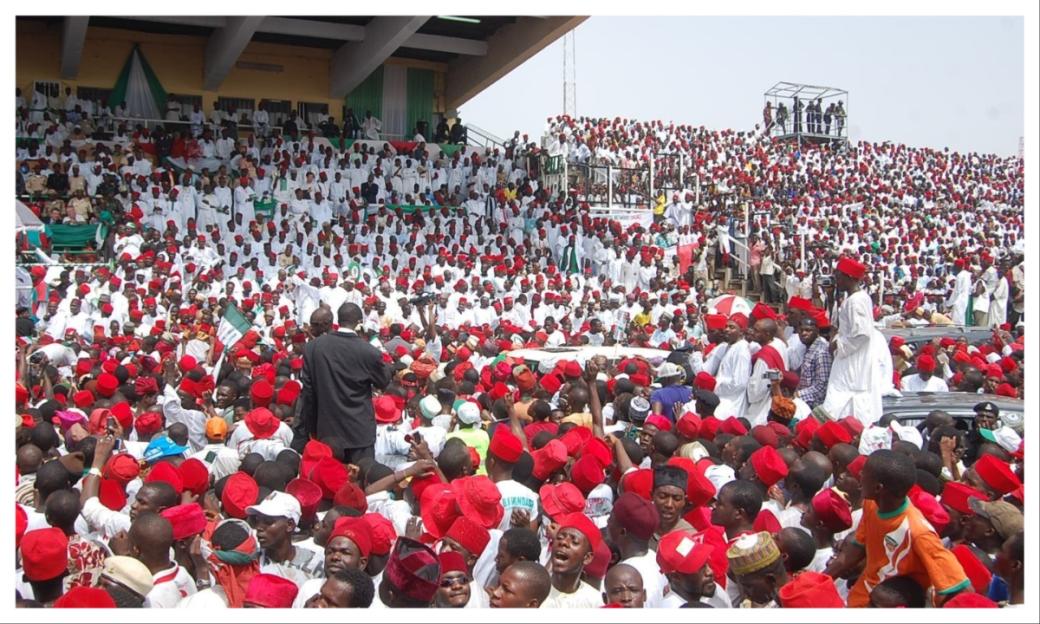
The Kwankwasiyya Movement has criticised the decision of the Kano State Government to dissolve the Ministry of Higher Education and merge it with the Ministry of Education, describing the move as politically motivated and a sign of declining attention to governance.
In a statement issued on Monday in Kano, the spokesperson of the movement, Habibu Sale Mohammed, said the government’s explanation that the decision was part of an administrative reform does not reflect the real reasons behind the action.
“The dissolution of the Ministry of Higher Education under the pretext of administrative restructuring raises serious concerns about the government’s priorities and commitment to responsible governance,” Mohammed said.
According to him, the decision appears to be connected to the ongoing political situation involving the state’s deputy governor, Aminu Abdussalam Gwarzo, who had been overseeing the ministry.
“It is difficult to ignore the growing perception that this action is aimed at punishing the deputy governor for refusing to abandon the Kwankwasiyya Movement and the aspirations of the supporters who brought this administration to power,” he stated.
Mohammed said the ministry had already been weakened over the past year through a series of administrative decisions that moved several agencies and responsibilities away from it.
“For more than a year, agencies and sub-units that ordinarily fall under the Ministry of Higher Education were instructed to report elsewhere, while key responsibilities were reassigned to advisers and special committees,” he said.
He added that the eventual dissolution of the ministry confirms concerns that political considerations are increasingly shaping governance in the state rather than the public interest.
“If there were concerns about who should supervise the ministry, the governor could simply have reassigned that responsibility and appointed another commissioner. Scrapping a strategic ministry is not the solution,” he said.
The movement also expressed concern that the decision was taken at a time when several important commissioner positions in the state government remain vacant.
“A government that leaves critical portfolios vacant while dismantling an important ministry cannot convincingly argue that it is prioritising development,” Mohammed said.
He emphasised that higher education plays a crucial role in the development of Kano State and warned that reforms in the sector should be guided by clear policies and long-term planning rather than political interests.
“Universities, polytechnics, colleges of education and scholarship programmes require coordinated leadership and long-term planning. Decisions affecting them must be guided by vision and consultation,” he said.
The Kwankwasiyya Movement, therefore, called on the state government to reconsider actions that may appear vindictive and instead focus on policies that promote stability and development.
“Kano deserves leadership that places the long-term interests of the people above temporary political manoeuvres,” Mohammed added.