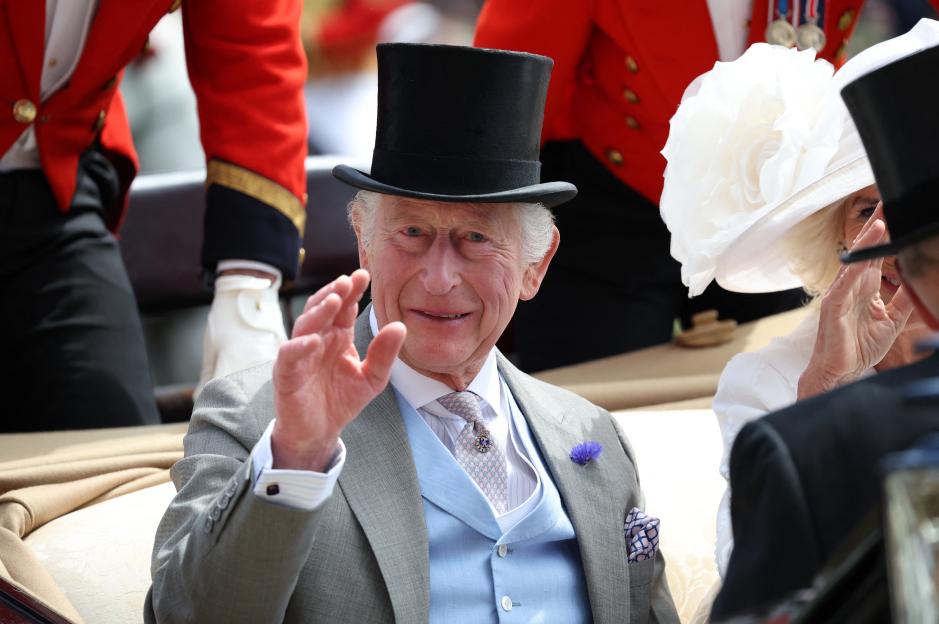
 Horse Racing – Royal Ascot 2024 – Ascot Racecourse, Ascot, Britain – June 20, 2024 Britain’s King Charles is seen during the Royal procession on ladies day ahead of the races Action Images via Reuters/Andrew Boyers Credit: Reuters
ROYAL Ascot’s royal procession is being threatened by the biggest outbreak of equine flu in ‘recent history’.
The British Horseracing Authority has confirmed that from today only horses from licensed training yards will be permitted to enter racecourses on racedays.
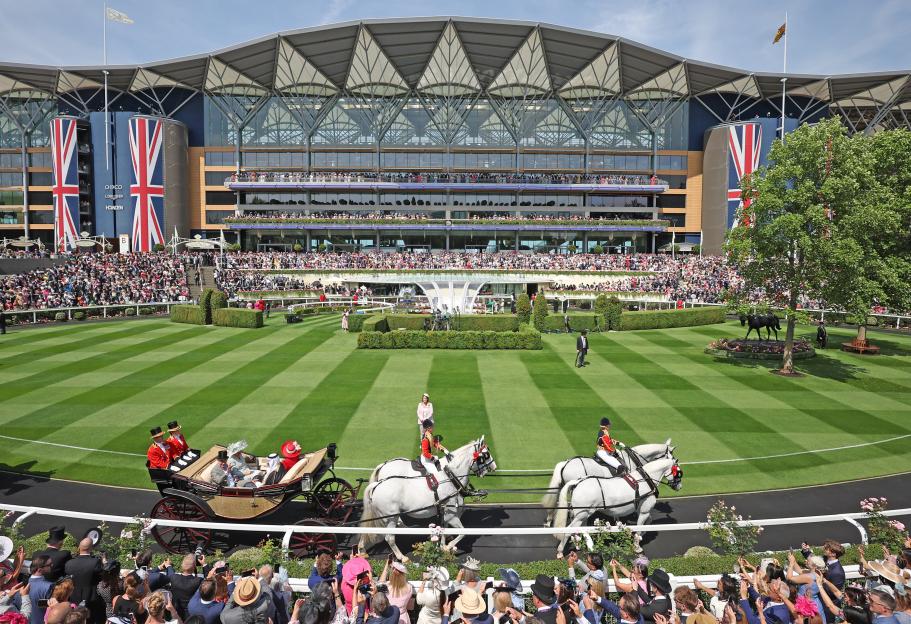 The Royal procession at Ascot’s summer festival is the highlight of the day for many punters Credit: The Times
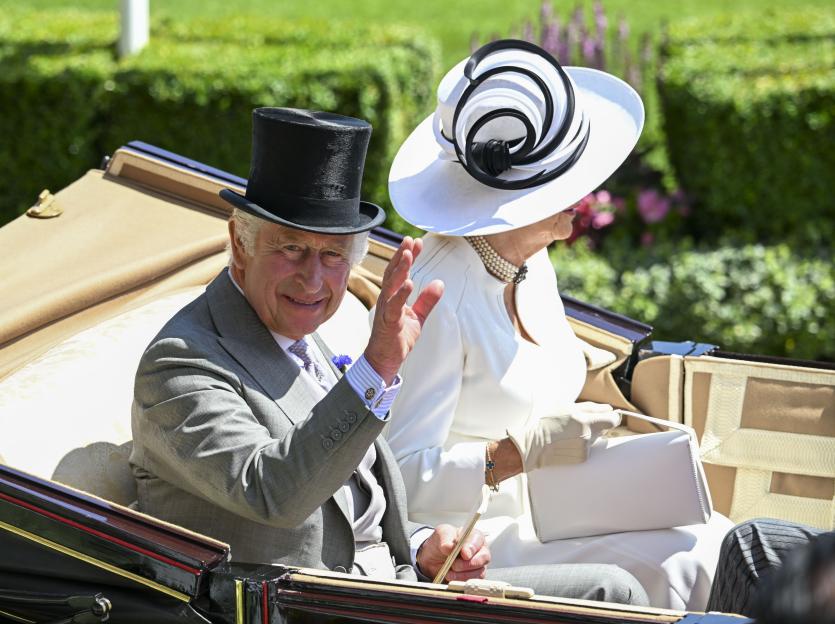 King Charles and Queen Camilla usually attend every day of Ascot and arrive in a carriage as part of the procession Credit: Simon Jones – Commissioned by The Sun
This is due to a rapid rise in equine flu cases in the non-thoroughbred population of horses.
The royal procession is one of the highlights of next month’s meeting and features The King and Queen arriving at the track by carriage every day.
However, because the horses who pull the carriages may not be thoroughbreds from licensed yards, then they could be at increased risk of picking up the highly contagious disease.
The BHA said in a statement on Wednesday that increased biosecurity measures will be employed to make sure the procession can go ahead.
The statement read: “The BHA is also working with Ascot Racecourse to replicate the biosecurity measures of a licensed premises to enable the Royal procession to go ahead without any increased risk.”
Bosses want to avoid mixing between the thoroughbred racing herd and horses and ponies from yards that are not licensed.
All horses running in Britain must be vaccinated in line with the Rules of Racing, with booster vaccinations administered at intervals of no more than six months apart.
BHA Director of Equine Regulation, Safety and Welfare, James Given, said: “The news today will understandably be disappointing for many people, but levels of equine flu are higher than at any time in recent history and it’s essential that we take all necessary steps to protect the thoroughbred herd.
“These measures follow extensive engagement with independent infectious disease experts about how we further reduce the risk of exposure and ensure the continuity of racing.
“In addition to vaccination, this can be best achieved by preventing the mixing of racehorses with horses and ponies from premises that are not licensed by the BHA, where we have more limited information about their health and vaccination status.
“I’m encouraged by the response we have already seen from the racing community about the vital importance of maintaining the biosecurity of the thoroughbred racing herd.
“We continue to urge constant vigilance, especially around the movement and mixing of horses.”