NOT only are temperatures set to surge to a record 38°C this week, hay fever sufferers will also be grappling with the added misery of soaring pollen levels.
The Met Office is predicting a ‘very high’ pollen count for most of the UK until Thursday this week.
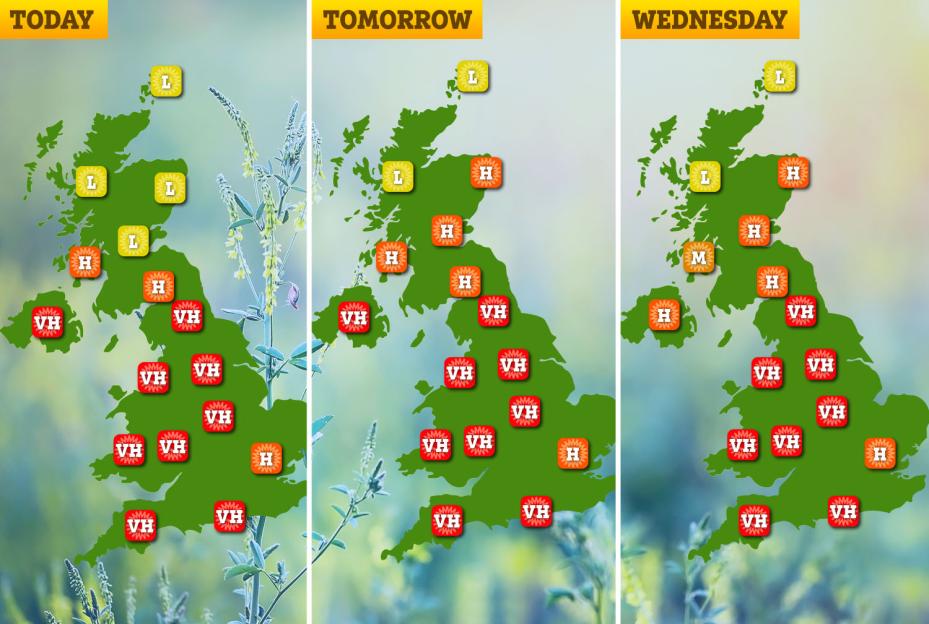 Pollen levels are set to soar this week
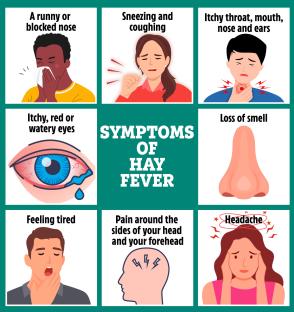
About 10 million people in England have , an allergy to pollen.
Claire Nevinson, superintendent pharmacist at , says: “It’s thought that you’re more likely to develop hay fever if you have a family history of allergies, or if you have or as they are thought to be closely linked.”
Hay fever season begins in but can last well into
Depending on the time of year, the pollen shed by plants – which is what causes symptoms like sneezing, streaming eyes and a scratchy throat – will be different, which is why you may feel symptoms more intensely in certain months.
“Grass pollen is the most common trigger of hay fever, but there are actually three different types of pollen that commonly cause symptoms,” Claire notes.
“Tree pollen, which is typically released in spring; grass pollen, which tends to peak during the end of spring; and lastly, weed pollen, which usually peaks in the late autumn.”
Each person can experience the miseries of hay fever differently, symptoms tend to strike the eyes, nose and throat.
Taking antihistamines, which can be bought cheaply at pharmacies and supermarkets, is a good way to keep symptoms at bay.
“Some studies show that taking antihistamine medication two to four weeks before the pollen season starts could be beneficial, as this will give time for the treatment to become effective before the high pollen counts occur,” the pharmacist says.
Perhaps something to keep in mind if you didn’t have the foresight to start dosing up on the drug at the start of spring.
But just the tablets sometimes won’t cut it – especially when pollen counts are as high as they are currently.
From a damp cloth hack to get rid of a hidden pollen ‘magnet’, to 3p wipes and cooling gadget to soothe inflamed eyes, here’s how to this week’s pollen bomb.
1. Damp cloth hack
 Wiping your pet down with a damp cloth will remove pollen from their fur Credit: Getty
Exposure to pollen is what causes hay fever symptoms.
If you’re doing your best to close windows and avoid venturing outside, you might be wondering why you’re still stuck in itchy, sneazy misery.
If you have a pet at home, they might be a hidden pollen harbinger, Claire warns.
“Their fur and paws can unfortunately act like magnets for pollen when they’re outside.
“As they come back in, they can deposit these allergens throughout the home, potentially triggering unexpected hayfever flare-ups.”
But if you have a cloth at hand, a couple of small changes can make a big difference, the pharmacist says.
“Gently wipe your pet’s fur and paws with a damp cloth after they’ve been outside and brush them regularly outdoors to minimise pollen brought into the home,” she suggests.
“Keeping out of your bedroom can also help create a more pollen-free sleeping environment.”
2. Saviour wipes
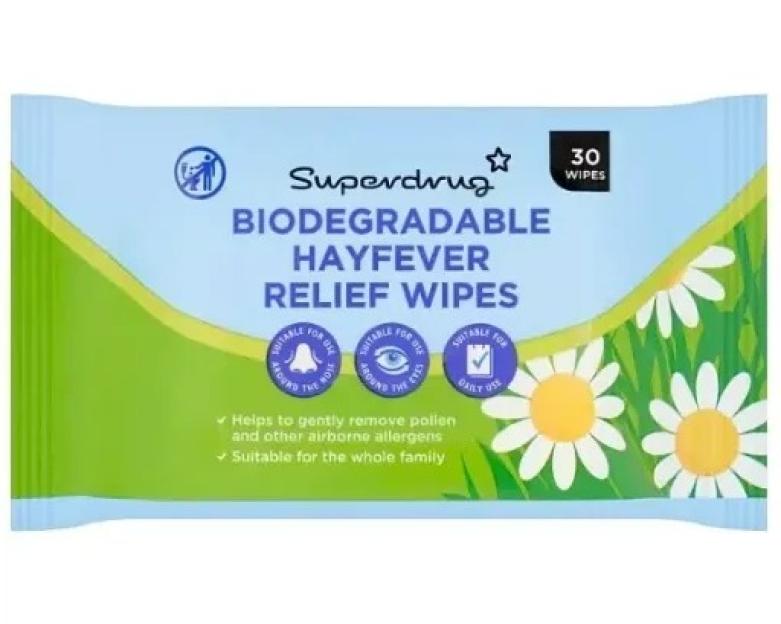 Remove pollen from your face and hands with wipes Credit: Superdrug
Showering and changing your clothes after going outside can help ease hay fever.
But if your symptoms are flaring up and you still have a few hours until you can make it home, hay fever wipes can come in handy.
You can use the pre-soaked, cooling towelettes to trap and remove pollen from your face, hands, and eyelids.
Try Superdrug’s Hayfever Wipes for 99p per pack – that works out to about 3p for each wipe.
3. Cooling eye mask
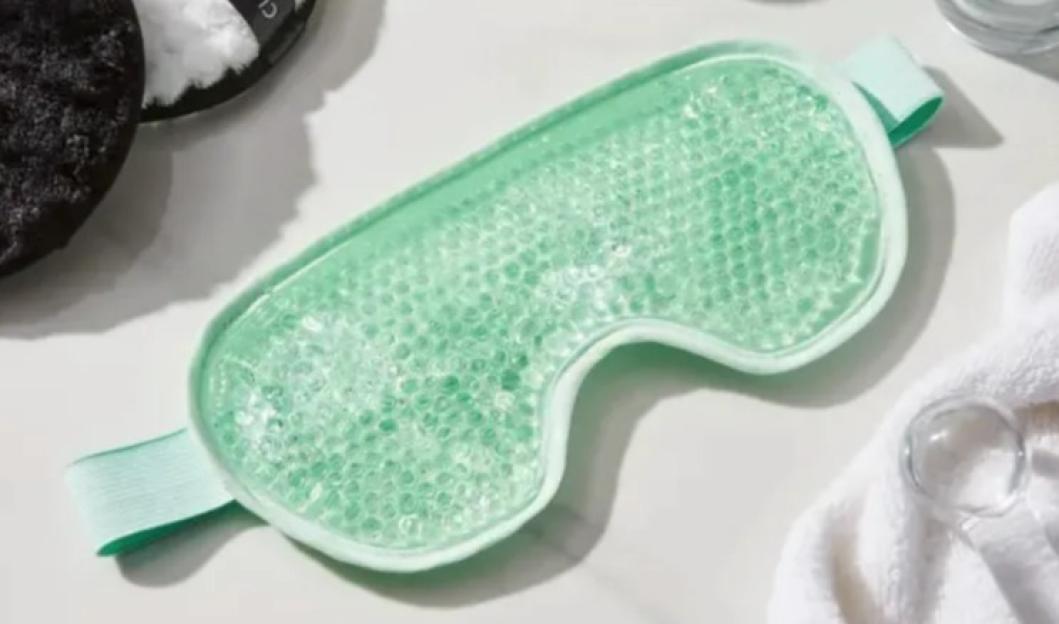 Soothe inflamed eyes with a cooling eye mask Credit: Dunelm
Claire says: “For many hayfever sufferers, the eyes are one of the most impacted.
“Wraparound sunglasses can stop pollen getting into your eyes and provide additional protection.”
Eye drops can help soothe your sore peepers, but you can also go the extra mile by using an eye mask like this £4 one from Dunelm .
Simply pop it in the freezer and pull it out to calm itchy, inflamed or watery eyes.
4. Pollen-trapping balm
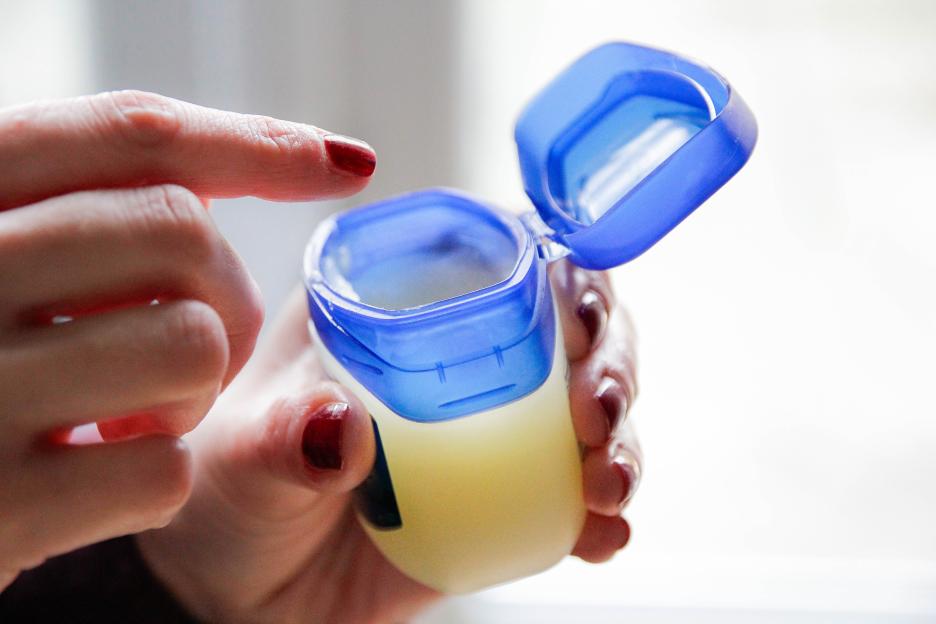 Spreading petroleum jelly around your nostrils can help trap pollen Credit: Getty
A cheap pot of Vaseline can be a godsend when it comes to hay fever.
“Applying petroleum jelly or a barrier balm around your nostrils is a great and affordable hack,” Claire says.
“The jelly acts as a barrier balm to help trap the pollen, helping to prevent some typical hay fever symptoms.”
Your nose can also get dry and cracked from having to blow it all the time, so the balm can moisturise and soothe sore skin too.
5. Laundry tip
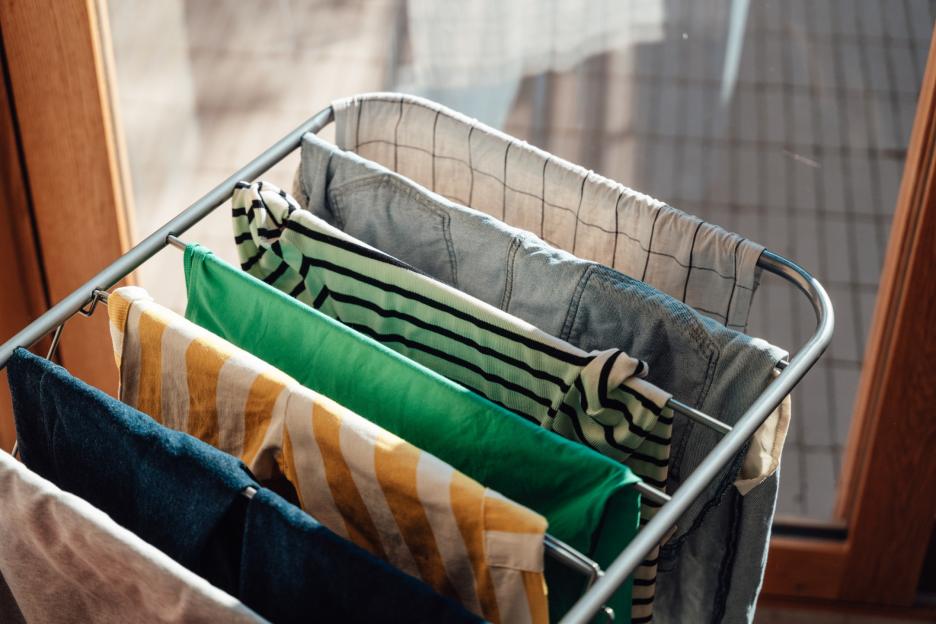 Avoid drying your clothes outdoors Credit: Oscar Wong
“Your clothes, and even your shoes can become unwitting carriers of pollen,” Claire warns.
“After spending time outdoors, these items can bring allergens into your home, leading to ongoing exposure, even when you’re inside.”
And if you’re taking advantage of the hot weather to dry your laundry outside, you may be “infusing your clean clothes with tiny pollen grains”, the pharmacist adds.
“Try drying laundry indoors during peak pollen days to help minimise the amount of pollen that could fall onto clothes and bedding,” she adds.
6. Rinse aid
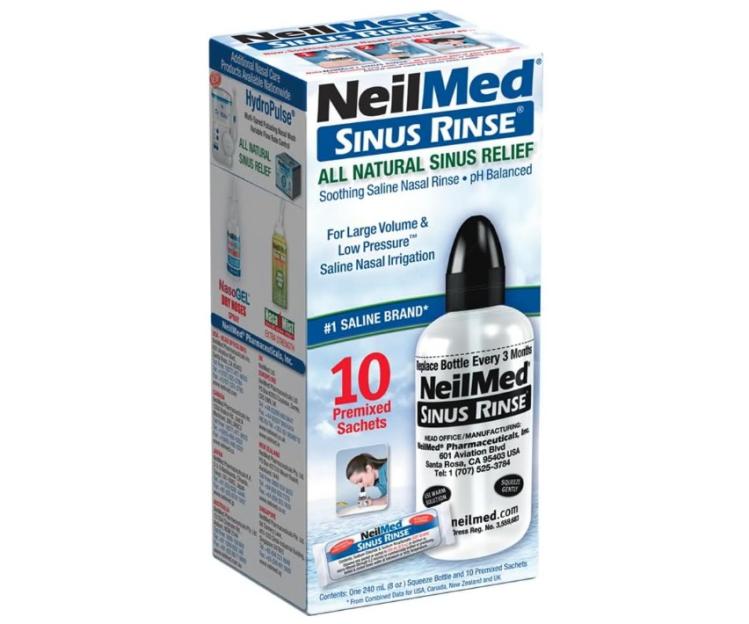 Rinse out your sinuses to ease nasal symptoms Credit: Amazon
If your pollen allergy tends to strike your nose the most, rinsing it out may help ease symptoms, Claire says.
“Rinsing nasal passages with salt water can help flush out pollen and other allergens trapped in your nose,” she suggests.
“This can help to relieve congestion such as a runny nose and sneezing.”
Don’t just use tap water as that might not be properly sterile – try the NeilMed Sinus Rinse Kit for £21.99 at Boots instead.