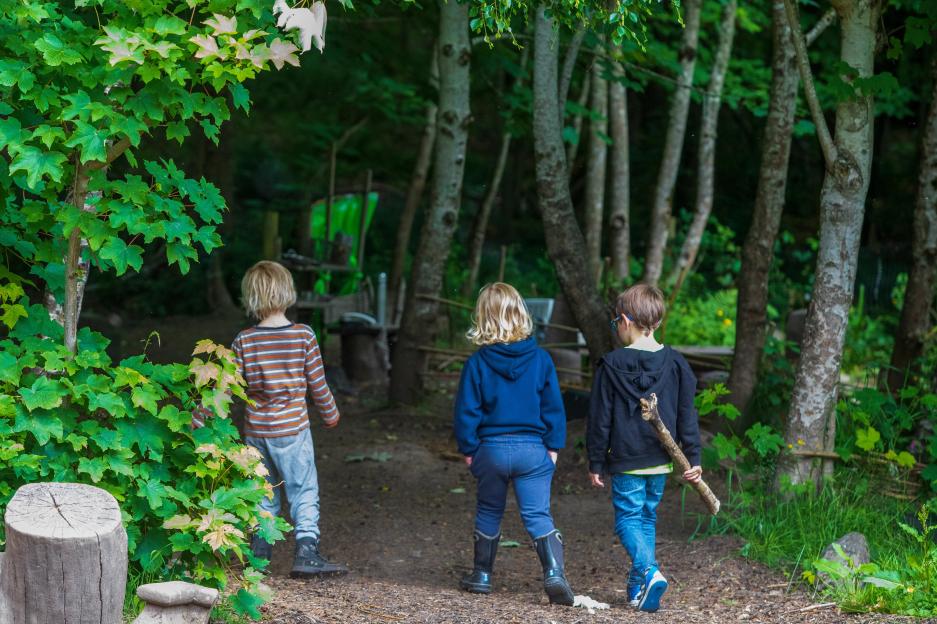
 FILE PICTURE Children playing. / Playdates are the best way to prepare young children for school, according to an expert. Family psychologist Dr Martha Deiros Collado says one of… Credit: SWNS
PLAYDATES are the best way to prepare young children for school, according to an expert.
Family psychologist Dr Martha Deiros Collado says one of the most valuable things can do before September has nothing to do with reading or numbers – it’s arranging a playdate.
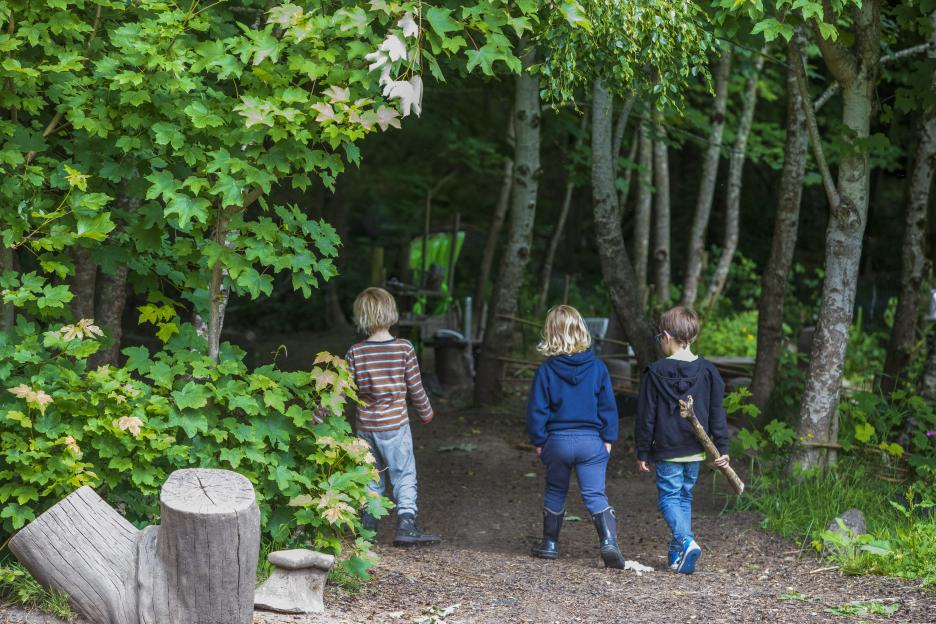 The study found 81 per cent of kids have a playdate once a month or more Credit: SWNS
Kids between the ages of four and six who play with other regularly, learn to practise things like turn-taking, empathy, patience, communication and problem-solving in a “natural and meaningful way” – making them more school-ready.
Dr Martha, who has teamed up with Studios to support Bluey’s annual theme Playdates with Friends, said: “Playdates are the most important thing a parent can arrange to help a child get ready for school.
“There is a wealth of that shows children’s early play experiences with peers positively predicts better social skills and peer acceptance in reception class or kindergarten.”
The advice follows a poll of 2,500 parents of three to seven-year-olds from the UK, and which found 81 per cent have a playdate once a month or more.
A further 62 per cent believe playdates help their child to feel more confident around other children.
For 39 per cent of those polled, the most important part of a playdate is simply seeing their child have fun.
Dr Martha agreed, believing the real value often lies beneath the surface.
Through play, kids are learning how to take turns, communicate, cope when things do not go their way and build confidence with other children before they start school, according to the expert.
She said: “In the classroom, children need to share space, take turns and navigate bumps and conflicts with other children.
“Playdates give them the chance to begin building those skills before they start school – they are like impromptu mini life-skills workshops.”
But Dr Martha is keen to remind parents that playdates don’t always need to be smooth and trouble-free – she added: “Importantly, playdates do not need to be perfect to be valuable.
“Small disagreements, little moments of frustration and working things out together are all part of how children learn.”
When asked what activities make for a successful playdate, in a garden or park came top with 77 per cent of those polled saying this was key.
Simple crafts and drawing came second (64 per cent), with role play and imaginative games coming third (53 per cent).
Dr Martha said: “Free play can be incredibly valuable for children.
“It gives them the chance to imagine, negotiate, solve little problems and build confidence together, all in a way that feels natural and enjoyable.”
Carried out through OnePoll, the research commissioned by BBC Studios found playdates can also help parents and carers build local support networks.
Almost four in 10 (39 per cent) said playdates have helped them to build new friendships with other adults and similarly 36 per cent said they’ve had a positive impact on their social life.
But while playdates appear to have many benefits, they’re not always easy to arrange.
Challenges include not knowing other parents well (32 per cent), clashing schedules (42 per cent), feeling awkward about reaching out (21 per cent) and worrying about hosting at home (18 per cent).
But children aren’t burdened with such concerns – they just want to have great playdates which include spending time playing outside (60 per cent), playing with toys (60 per cent) and very often, featuring snacks (56 per cent).
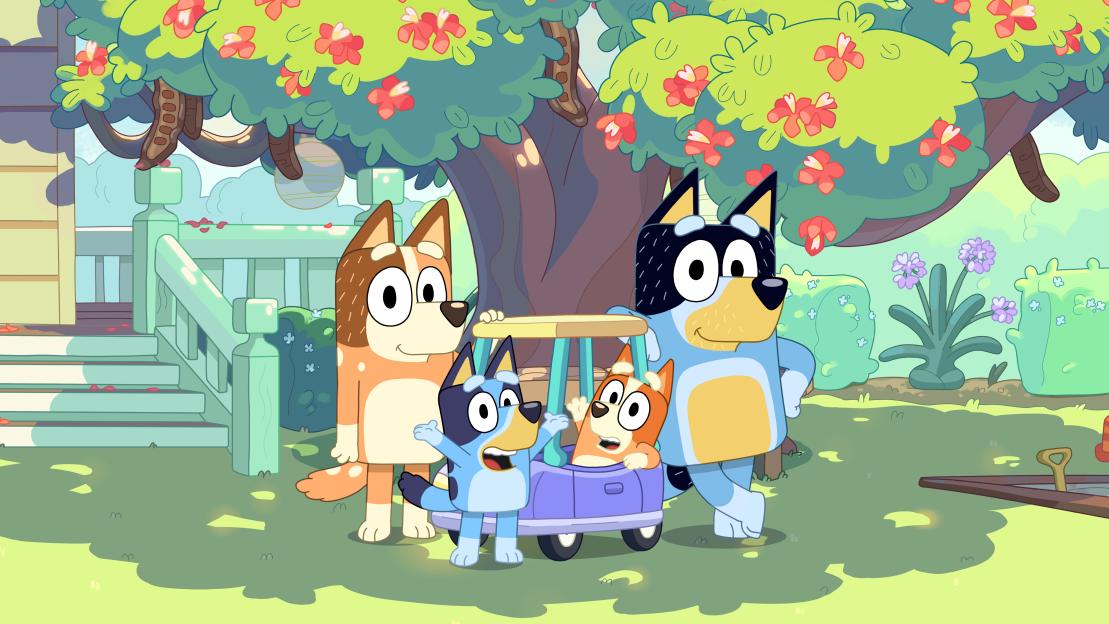 The survey was conducted to coincide with kids’ show Bluey’s ‘Playdates with Friends’ theme Credit: Ludo Studio 2019