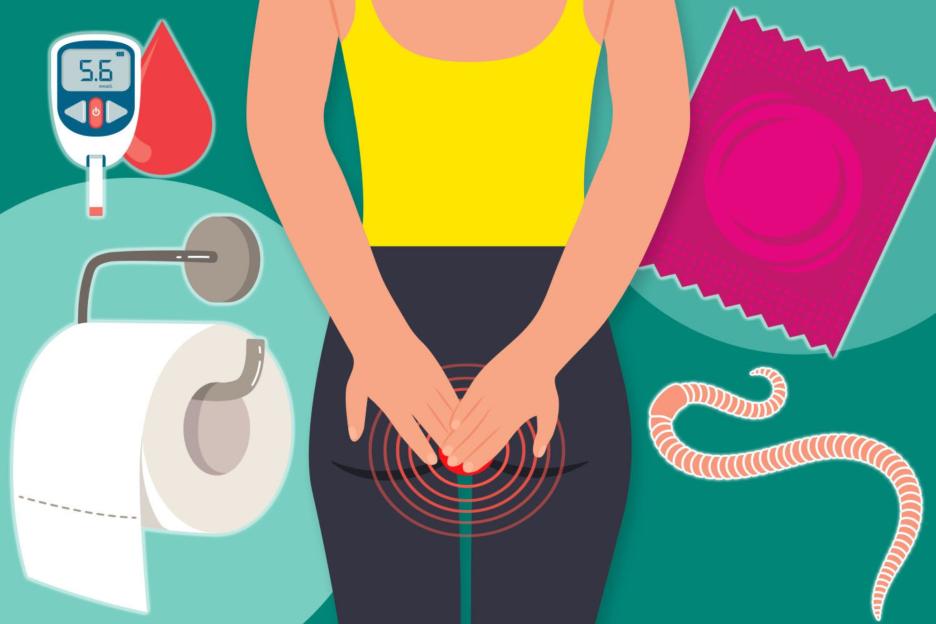
AN ITCH you definitely can’t scratch… well certainly not in public! That’s right, it’s time to talk itchy bums – or pruritus ani to give it its medical name.
When the first hint of that tickly feeling strikes, followed swiftly by the awkward shuffle to calm the “ants in your pants”, it’s easy to just brush it off as an embarrassing blip. But, what if that itch was trying to telling you something?
 GPs get asked about itchy bums all the time, so no need to be shy!Credit: Getty
What if it was a sign of something altogether more serious than you feared?
As you’re writhing and wriggling to get to the itch, you probably wouldn’t dream of telling anyone about it.
It affects your private parts after all, and talking about anything in that region can feel… exposing.
Instead, you’ll probably make a mental note to what it means later.
But an itchy bottom is really nothing to blush about. Experts tell Sun it’s much more common than you might think.
Dr Cheryl Lythgoe, matron at Benenden Health , says: “Having an itchy bottom is certainly not an over the dinner table type of conversation, however it is an issue that is commonly discussed and managed in general practice.”
And Dr Nikki Ramskill , founder of The Female Health Doctor Clinic , adds: “It’s one of the most common symptoms I see, and in most cases, it’s not serious.
“The key is to look at what else is going on and whether the itch is persistent, painful, or there are other changes.”
Irritation in your rear end can happen for a number of reasons, from hygiene issues, to skin conditions, leakage, and piles.
Jacquie Lee, information pharmacist at Numark , says: “While it’s usually harmless and short-lived, it can sometimes be a sign of something more going on beneath the surface.”
Here we go through what may be causing your itchy bottom, how to soothe it without resorting to an “awkward wiggle” in public, and when you need to overcome your embarrassment and to talk to a doctor about it.
1. Wipe woes
IN most cases, the cause of your itchy derriere is your and showering habits.
Jacquie says: “Poor hygiene, or even over-cleaning, can irritate the sensitive skin around the anus.
“Using harsh soaps, scented wipes, or scrubbing too vigorously can strip away natural oils and lead to dryness and itching.”
Far from pampering your tush, scented toilet paper or scented wet wipes can have the same effect too.
“On the other hand, not cleaning thoroughly enough after bowel movements can leave behind residue that causes irritation,” Jacquie goes on.
If your are the cause of your itchy bottom, you might also notice “redness, soreness, mild burning or stinging after wiping”, Dr Ramskill says.
She recommends using water or unfragranced wipes to clean your behind, before patting it dry, and applying a thin layer of a barrier cream like Sudocrem or zinc oxide to soothe your smarting skin.
2. Looks like a leak
JACQUIE says: “Even small amounts of stool or mucus can cause itching if they’re not cleaned away properly.”
But sometimes, no matter how well you wipe, you might get a bit of leakage after a bowel movement.
According to Dr Lythgoe: “Leakage can be caused by weak anal sphincter muscles, incomplete emptying of the bowels, a known bowel condition such as or , nerve damage or pelvic floor problems.
 Your itch can be down to wiping habits, leaks, piles or tearsCredit: Getty
“Spicy food, citrus, caffeine, and alcohol can all irritate your digestive system, and your rear end.”
Staining in your underwear or itching that flares up after using the loo are telltale signs that leaks are at the root of your issues.
Dr Lythgoe says: “To help manage this, keep the area clean with plain water, don’t use any scented soaps or fancy wipes, pat dry gently, and consider a barrier cream to protect the skin.”
Tweaking your diet and hydration levels to manage constipation or diarrhoea will also give your behind a break from irritation.
3. Pile on
ANOTHER common cause of an itchy bum is , or piles.
Dr Lythgoe explains: “ are swollen veins in the bottom that can itch, bleed, and generally make sitting down a chore.
“It’s a common condition and can be caused by a number of things such as constipation, straining on the toilet, , ageing, being overweight, heavy lifting, or sitting for long periods of time.”
Lumps from the swollen veins can appear inside or around your anus.
Jacquie says: “External haemorrhoids can make cleaning difficult, leading to residual stool and itching.”
Keeping your regular by eating lots of fibre – think wholegrain bread and cereal, oats, beans, veggies and dried fruit – and drinking plenty of water can help prevent piles.
Being active and “evacuating your bowels when you get the urge rather than holding on until you get home or to a ‘safe’ toilet” is also key, according to Dr Lythgoe.
But if you have been struck down with piles, “wiping with damp toilet paper can ease some of the symptoms”, as can “using barrier cream after gently patting the area dry”.
“Creams and suppositories can help soothe the area,” the matron adds.
4. Tear in the derriere
SOMETIMES, the cause of your itching could be a tiny cut or tear.
Dr Lythgoe says: “The skin around our anus is very thin and fragile and it can be common to create a painful split in this skin.
“Anal fissures are tiny tears that sting like mad during bowel movements and can cause itching as they heal.”
Other telltale signs include small streaks of you use to wipe, or a burning sensation, Dr Ramskill adds.
These tiny tears can happen from passing a hard stool if you’re constipated, or if you get diarrhoea a lot.
They can be common if you have a condition such as (IBD), or , but they can also be caused by a (STI), such as or .
Dr Lythgoe says: “As with most anal issues, bowel health is key, so ensuring that you do everything to avoid constipation is paramount.”
You can also take precautions during sexual activity, for example making sure you use plenty of lube in preparation for anal sex.
“To help manage and mend an anal fissure, having warm shallow baths, using stool softeners, and topical treatments can help,” Dr Lythgoe says.
“If it doesn’t heal, see your .”
5. Skin in the game
WE rarely think of skin conditions affecting the bum area, but , , or allergic reactions to soaps and detergents can all make your rear itch, according to Jacquie.
“These may cause persistent itching, redness, or flaking,” she says.
“In rarer cases, conditions such as lichen sclerosus or lichen planus may be involved, often requiring specialist dermatological assessment.”
Eczema or psoriasis will both cause a characteristic rash – reddened itchy, dry, and inflamed skin for eczema or silvery, scaly patches for psoriasis.
Lichen sclerosus causes pale, thin, white patches that can crack and bleed, often with severe itching or soreness.
Acne could also be to blame for your tickly bum, says dermatologist Dr Sweta Rai .
causes spots that can develop white heads or become painful to touch.
She adds: “Treatments can vary so it’s super important to get an accurate diagnosis and therefore see your dermatologist, and they can treat accordingly.”
Dr Lythgoe adds: “Sometimes, your bum’s just reacting to something you’ve used, whether that be scented wipes, harsh soaps, or even laundry detergent.
“Use your over the counter or prescribed emollients in the area every time you go to the loo and avoid scented products and stick to cotton undies,” she advises.
6. Worm your way out
IS your bum itchy at night?
could be the cause – and no, this isn’t a prank.
Jacquie says: “Threadworms or pinworms, especially common in children, often cause nocturnal itching.”
Dr Lythgoe adds: “Threadworms are the stuff of childhood nightmares; however, adults can get them too.
“Threadworms, also called pinworms, are tiny white worms that live in the gut and come out at night to lay their eggs around the anus.
“To see if this is the cause first thing in the morning before washing or using the loo press a piece of clear tape – Sellotape is fine – onto the skin around the anus.
“If you see anything sticking to the tape this may indicate threadworms. However, diagnosis is often made on the history alone without needing visible proof.”
 Had unprotected sex? An STI could be making your derriere itchCredit: Getty
Threadworms spread when their eggs are swallowed. They lay eggs around your bottom, making it itchy, and stick to your fingers when you scratch – transferring to clothes, toys, toothbrushes, bedding, food and surfaces.
Eggs can pass to other people when they touch these objects or surfaces and then touch their mouth.
Dr Rai says you may also have picked up worms if you come into contact with worm-infested soil while camping or travelling, or you ingest fruit, veg or water that hasn’t been adequately sterilised.
Over-the-counter treatments work well in eradicating that nasty infection, but you may need to treat the whole household.
Dr Lythgoe says: “To prevent re-infection, it’s also important to consider essential hygiene measures for up to six weeks after infection.
“This includes ensuring that hands and under are scrubbed before eating and after using the toilet – for small children this is especially important.
“Keep fingernails short and wash sleepwear, bedding, towels and any soft toys daily.”
7. Bed down
HAD unprotected sex recently?
“Sexually transmitted infections can also be to blame, particularly if the itching is accompanied by other symptoms like discharge or sores,” Jacquie says.
This can include , genital herpes, and .
Chlamydia can cause discharge from the vagina, penis or bottom, as well as pain and swelling and burning when you pee. It’s similar for gonorrhea, can be yellowish or greenish.
Herpes causes small blisters that burst to leave red, open sores around your genitals, anus, thighs or bottom, tingling, burning or itching around your genitals, pain when you pee and unusual discharge.
It comes after health chiefs in the UK warn of .
See a GP or go to a sexual health clinic if you think you’ve picked up an infection during sex.
8. Diabetes
PEOPLE with may be prone to itchy skin – and that includes areas where the sun doesn’t shine.
There are a couple reasons for this.
Dr Ramskill says: “High blood sugar encourages yeast growth and dry skin.”
People with diabetes have higher than normal blood glucose levels, often because the body doesn’t produce enough insulin or the insulin it makes doesn’t work properly.
Other signs your itching might be diabetes related include “increased thirst, passing urine more often, slow-healing skin, or recurrent thrush infections”, the GP says.
Itching can also be a symptom of , which is a condition that develops when diabetes leads to nerve damage.
If you have diabetes, don’t ignore itchy skin. Dry, irritated, or itchy skin is more likely to become infected, and you may not be able to fight off infections as successfully as people who don’t have the condition.
9. Cancer
IN very rare cases, an itchy bum could be a sign of anal or .
According to Jacquie, these conditions are “uncommon, but worth mentioning”.
Other signs that cancer could be to blame include new lumps, ulcers that don’t heal, bleeding, or changes in the colour or texture of the skin around the anus.
“If itching doesn’t settle after a few weeks of good , or if you have any of these red-flag signs, always see your GP,” Jacquie says.
Bowel cancer may also cause itching in your bottom – but again, this is rare.
The signs of bowel cancer you need to know - remember BOWEL
- B:Bleeding
There are several possible causes of bleeding from your bottom, of blood in your poo.
Bright red blood could come from swollen blood vessels, haemorrhoids or piles, in your back passage.
Dark red or black blood could come from your bowel or stomach.
Blood in your stools is one of the key signs of bowel cancer, so it’s important to mention it to your doctor so they can investigate.
2. O: Obvious change in loo habits
It’s important to tell your GP if you have noticed any changes in your bowel habits, that lasts three weeks or longer.
It’s especially important if you have also noticed signs of blood in your poo.
You might notice you need to go to the loo more often, you might have looser stools or feel like you’re not going enough or fully emptying your bowels.
Don’t be embarrassed, your GP will have heard a lot worse! Speak up and get it checked.
3. W: Weight loss
This is less common than the other symptoms, but an important one to be aware of. If you’ve lost weight and don’t really know why, it’s worth mentioning to your GP.
You may not feel like eating, feel sick, bloated and not hungry.
4. E: Extreme tiredness
Bowel cancer that causes bleeding can cause a lack of iron in the body – anaemia. If you develop anaemia you’re likely to feel tired and your skin might look pale.
5. L: Lump or pain
As with lots of other forms of cancer, a lump or pain can be a sign of bowel cancer.
It’s most likely you’ll notice a pain or lump in your stomach or back passage.
See your GP if it doesn’t go away, or if it affects how you eat or sleep
Dr Lythgoe says: “If [your itching is] not going away, or if there’s bleeding, pain, or changes in bowel habits — don’t ignore it, book in to see your primary care team.”
And there’s no need to be embarrassed, she stresses.
“For clinicians in your primary care team, checking out your bottom is no different to examining your ears or chest, we’ve seen it all before.
“We always appreciate that this may be uncomfortable and quite often embarrassing for you, however rest assured we do everything we can to put you at ease so that you can sort out your concerns.”
When should I be worried?
JACQUIE says: “If the itching is mild and goes away within a few days, it’s usually nothing to worry about.
“Gentle cleaning, avoiding scented products, and using a soothing cream can help.
“But if it persists, becomes severe, or is accompanied by bleeding, lumps, or changes in bowel habits, it’s best to speak to a doctor.”
Dr Lythgoe adds: “An itchy bum might be annoying, but it’s usually fixable.
“Whether it’s a skin issue, a dietary trigger, or something more, there’s no shame in seeking help.
“Your behind deserves comfort — so give it the TLC it needs.”