Médecins Sans Frontières, also known as Doctors Without Borders, has raised concerns over worsening malnutrition, recurring disease outbreaks and persistent maternal healthcare challenges in Nigeria, according to its 2025 Country Activity Report released in Abuja.
The humanitarian organisation stated that rising food insecurity, conflict, inflation, flooding, displacement and weak healthcare systems continue to expose millions of Nigerians, especially children and women, to severe health risks.
The report disclosed that MSF operated regular medical projects in 10 states, including Jigawa, Kano, Katsina, Kebbi, Sokoto, Zamfara, Borno, Bauchi, Cross River and Ebonyi, while also establishing a new operational presence in Kaduna State during the year under review.
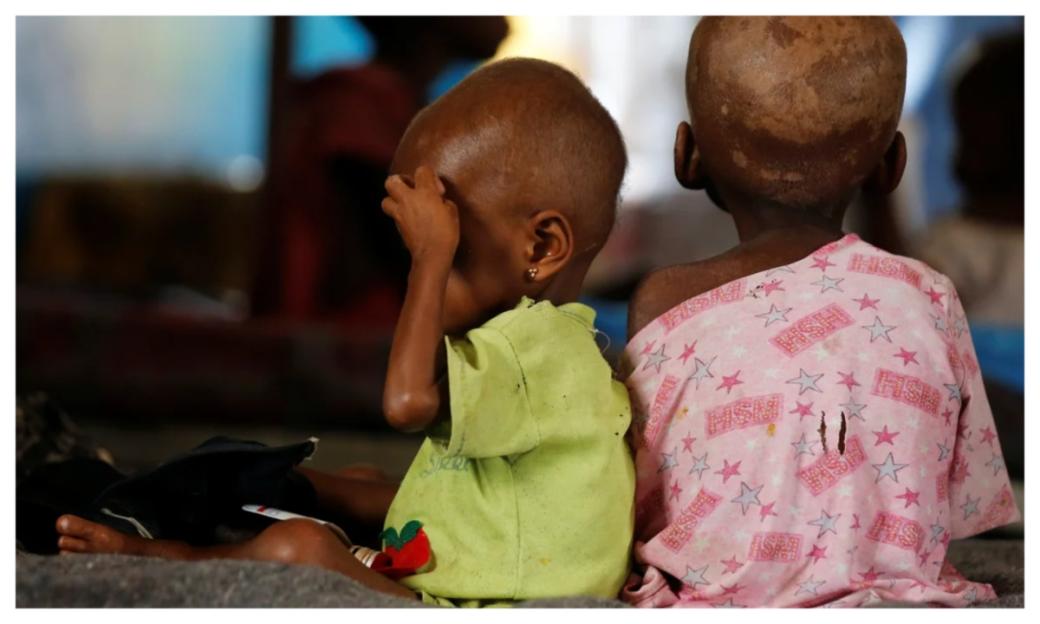
According to the report, MSF teams treated more than 440,000 children suffering from malnutrition in 2025, describing it as the highest number of admissions recorded by the organisation in recent years.
It explained that 353,989 children with severe acute malnutrition were treated through outpatient programmes, while another 90,723 children with complications were admitted into inpatient stabilisation centres supported by MSF.
Speaking on the report, the MSF Country Representative in Nigeria, Ahmed Aldikhari, said the figures reflected a growing humanitarian crisis affecting vulnerable communities across northern Nigeria.
“The 2025 data tells a harrowing story. With over 440,000 children put on treatment, it is the year with the highest admissions for malnutrition we’ve had in Nigeria in recent years,” he said.
Dr Aldikhari noted that malnutrition remains closely linked to recurring diseases such as measles, malaria, diphtheria and cholera, which continue to spread rapidly in communities with limited access to healthcare services.
The report further showed that MSF treated 341,239 malaria patients, 38,753 measles cases, 6,123 diphtheria patients and 985 meningitis cases across several states in 2025.
MSF explained that disease outbreaks usually intensify during the rainy season and continue to overwhelm healthcare facilities, especially in underserved and conflict-affected areas.
The organisation stressed the need for stronger vaccination campaigns, improved water and sanitation systems, disease surveillance and timely access to treatment to reduce preventable deaths.
On maternal healthcare, the report noted that Nigeria still records one of the highest maternal and newborn mortality rates globally, with many women facing difficulties accessing healthcare due to insecurity, poor transportation, overstretched hospitals and weak referral systems.
MSF disclosed that it assisted 33,590 deliveries, conducted 119,469 antenatal consultations and carried out 224 fistula surgeries in 2025.
The organisation added that many women continue to suffer severe complications arising from delayed access to emergency healthcare, including severe bleeding, obstructed labour, infections and high blood pressure-related conditions.
Dr Aldikhari called for increased investment in primary healthcare services, staffing, medical equipment and emergency maternal care, particularly in rural and conflict-affected communities across the country.