THE worst areas for norovirus have been revealed in an interactive map of England’s vicious D&V bug hotspots.
Rates of the , graphically nicknamed the ““, are nearly four times higher in some areas than others.
North East and Yorkshire has been hit hardest, with 176 hospital beds taken by people with norovirus last week, fuelled by a spike in Hull.
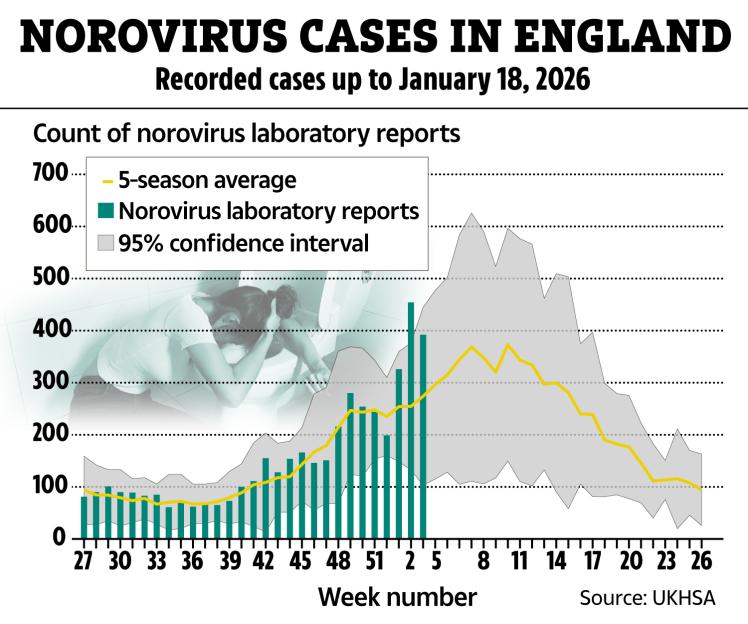
It comes as new figures, published yesterday, also showed norovirus cases in England have soared to the highest level seen in hospital this winter.
Infection rates of the bug are around 60 per cent higher than the seasonal average of 529 for this time of year, UK Health Security data suggests.
“If you have diarrhoea and vomiting, don’t return to work, school or nursery until 48 hours after your symptoms have stopped and don’t prepare food for others in that time either,” Amy Douglas, Lead Epidemiologist at UKHSA, said.
“If you are unwell, avoid visiting people in hospitals and care homes to prevent passing on the infection to those most vulnerable.”
The picture in hospitals is just as grim, with 823 people a day in beds with the bug last week, up 45 per cent in a week and more than double the level seen just two weeks ago.
According to the latest NHS surveillance figures, NHS hospitals at their fullest for the time of year since the pandemic.
It has gone over its ‘safe’ capacity with almost 95 per cent of adult hospital beds occupied, up five per cent on the previous week, the data found.
92 per cent is the point at which, experts say, performance of staff drops.
The latest stats show North East and Yorkshire recorded the highest number of hospital beds taken up by people with the bug last week, with 176 beds in use across the region.
This was almost four times higher than in the East of England, which recorded just 47 beds filled.
That surge in Yorkshire was driven largely by Hull University Teaching Hospitals NHS Trust, which alone accounted for 105 beds, the highest figure reported by any trust nationwide.
The South East came in second worst affected, with 154 occupied beds in total.
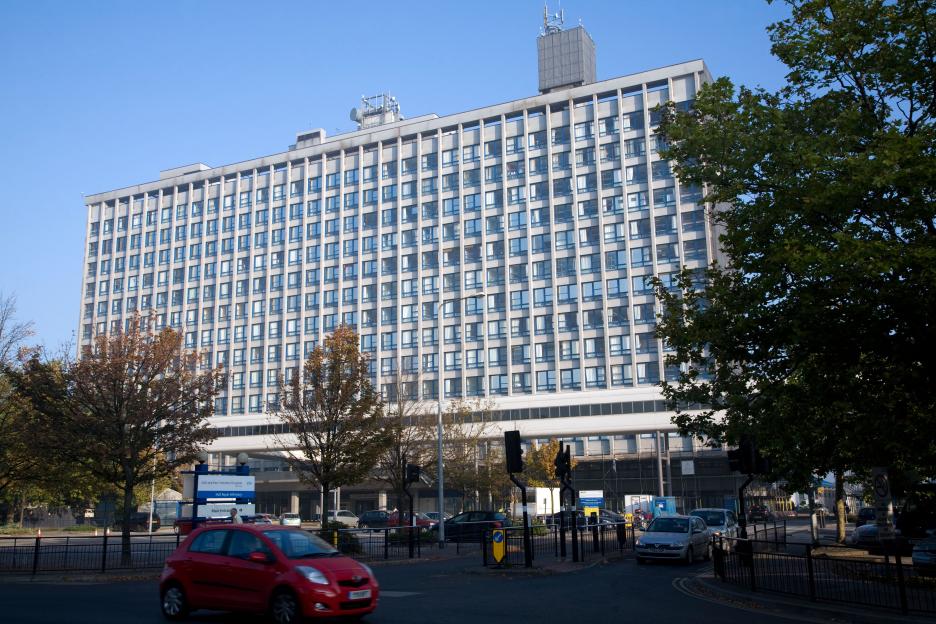 Hull University Teaching Hospitals NHS Trust recorded the highest number of norovirus patientsCredit: Alamy
This was led by Hampshire Hospitals NHS Foundation Trust, which reported 78 beds, alongside University Hospitals Sussex NHS Foundation Trust with 41.
Next was the South West, which saw a total of 139 beds occupied, with Somerset NHS Foundation Trust also reporting 78, while University Hospitals Bristol and Weston NHS Foundation Trust recorded 42.
The North West was the fourth worst affected area, reporting 127 beds in use overall, driven by high numbers at Wirral University Teaching Hospital NHS Foundation Trust (50) and Bolton NHS Foundation Trust (44).
By contrast, London and the East of England reported lower totals overall, with 49 and 47 beds respectively.
Pressure remained concentrated in individual trusts, including Royal Free London NHS Foundation Trust, which recorded 33 beds on its own.
This surge in norovirus – alongside a resurgence of – pushed dozens of NHS trusts in England to declare critical incidents last week, as the twin bugs strained stretched services.
Critical incidents are the highest alert level and allow staff to take urgent steps to create capacity and protect patient safety.
The number of people in hospital with flu in England has fallen for the second week in a row to an average of 2,519 flu patients each day.
What are the 7 symptoms of norovirus?
They are not pleasant and are two-fold.
Norovirus typically causes seven symptoms, including diarrhoea and projectile vomiting – often at the same time.
This is accompanied by stomach cramps, muscle aches, feeling sick, a headache and a fever.
In small children it can also cause seizures linked to having a high fever.
How does norovirus spread?
Norovirus is usually spread through close contact with someone who is infected, or by touching surfaces or objects, or eating food someone infected has touched.
Health chiefs on hand sanitisers alone to guard against transmission — as alcohol doesn’t kill off the bug.
Instead, you must wash your hands with soapy warm water.
Most of those infected suffer nausea, diarrhoea and vomiting and recover at home.
What to do if you have norovirus
If you have norovirus, stay at home until symptoms go away.
Unfortunately, you have to let the illness run its course. Just be aware that you can still spread norovirus to others, even after symptoms disappear.
The NHS recommends that you:
- Avoid cooking meals for the rest of the household, as you might make them sick
- Avoid sharing everyday items like towels, bedding, and dishes
- Eat bland and non-spicy foods, so as not to irritate the stomach
- Rest, stay hydrated, and take paracetamol for the aches and pains
- In most cases, you won’t need to go to a doctor.
- But, if symptoms persist for longer than three days, it’s important to see one.
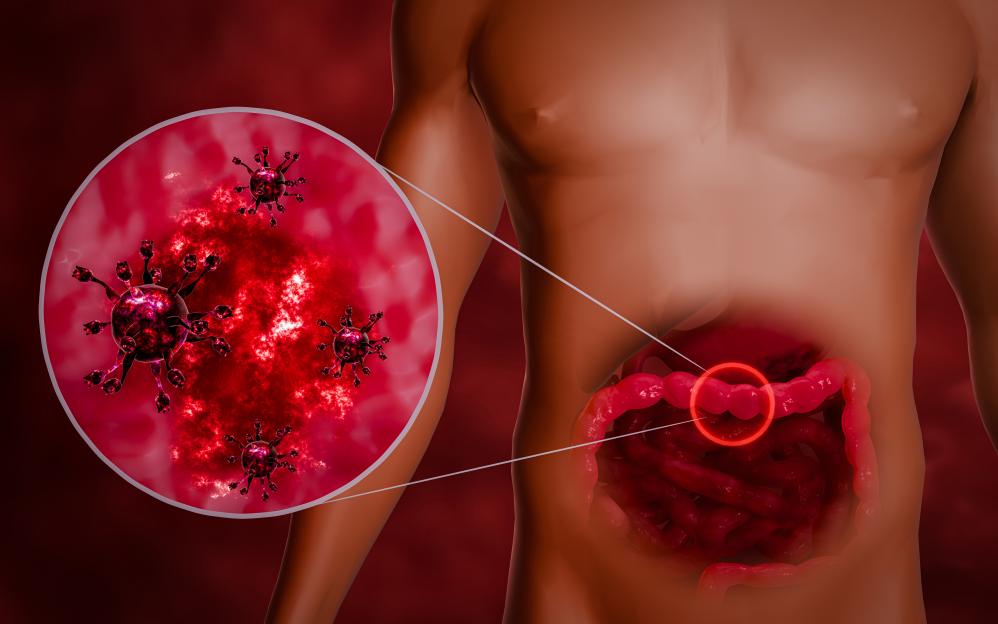 Credit: Getty
 When to call 111 and 999 for norovirus
NOROVIRUS usually goes away on its own after a couple of days and doesn't require medical attention.
But you might need to speak to a doctor if:
- You’re worried about your baby, who is younger than 12 months old.
- Your child stops breast or bottle feeding while they’re ill
- You think your child under five might be dehydrated – signs could include fewer wet nappies.
- You’ve used rehydration sachets but still have signs of dehydration
- You or your child keep being sick and can’t keep fluids down.
- You or your child have bloody diarrhoea or start bleeding from the bottom.
- You or your child have diarrhoea for more than seven days or are vomiting for more than two days.
And if you spot any of the following signs, it’s vital to seek urgent care:
- Blood in your vomit
- Vomit that looks like ground coffee
- Green vomit (adults) or yellow-green vomit (children)
- A stiff neck
- Pain when looking at bright lights
- A sudden, severe headache or stomach ache
Source: NHS