Table of Contents
- Electricity Subsidy Obligations
- Debate on Tariff Increase
- Government Spending on Subsidies
- Tariff Hikes for Consumers
- Legacy Debts of the Government
- Minister's Statements on Subsidies
- Addressing the Liquidity Crisis
- Investor Response to Bonds
Nigeria's electricity subsidy obligations have escalated to N1.98 trillion over the 12-month period from October 2024 to September 2025, as reported in the latest quarterly updates from the Nigerian Electricity Regulatory Commission (NERC).
The nation's growing electricity subsidy commitments have intensified discussions advocating for a comprehensive tariff increase for electricity consumers.
The report released by NERC on Tuesday indicates that the government expended N471.69 billion on electricity subsidies during the fourth quarter of 2024 (October–December), N536.4 billion in the first quarter of 2025, and N514.35 billion in the second quarter. The third quarter of 2025 saw a subsidy burden of N458.75 billion, as electricity tariffs continued to remain below cost-reflective levels.
NERC highlighted that, except for Band A consumers who experienced a tariff increase in April 2024, electricity tariffs have not reflected actual costs, contributing to the escalating subsidy burden.
The increase in subsidies occurs while the federal government grapples with N4 trillion in legacy debts owed to generation companies.
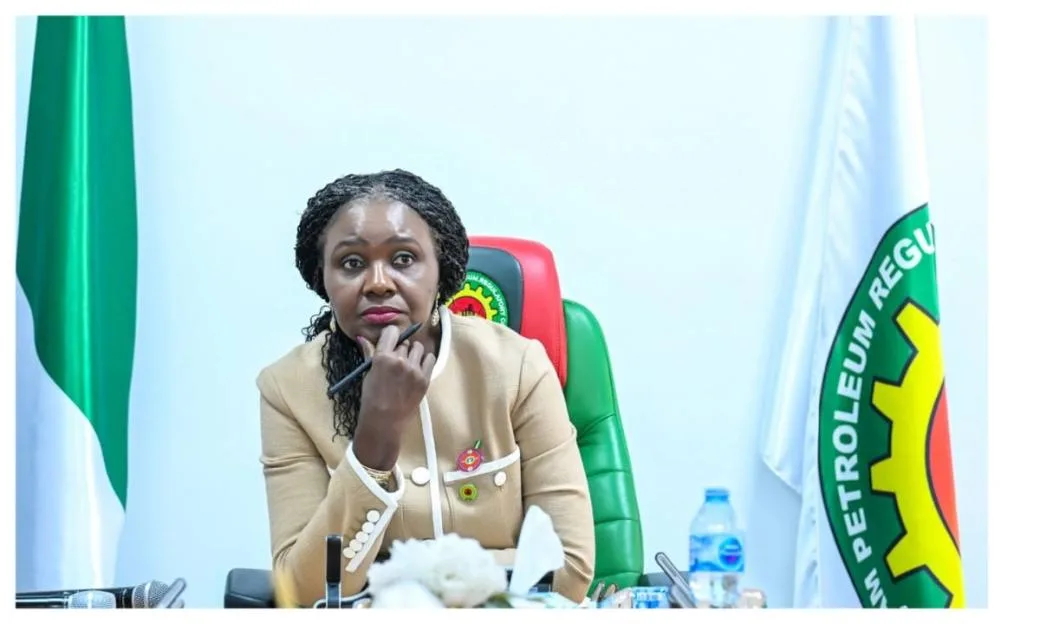
Minister of Power, Adebayo Adelabu, has consistently emphasized that the existing electricity subsidy is unsustainable, advocating for a program that focuses solely on assisting the poor.
Adebayo has called for another electricity tariff increase to alleviate the burden of electricity subsidies.
To combat the liquidity crisis in the Nigerian Electricity Supply Industry (NESI), the government initiated a N4 trillion bond in December 2025 to start repaying legacy debts.
However, there has been no official update regarding the response from investors to the bond.
Frequently Asked Questions
What are Nigeria's current electricity subsidy obligations?
Nigeria's electricity subsidy obligations have reached N1.98 trillion for the period from October 2024 to September 2025.
Why is there a debate about increasing electricity tariffs?
The increasing electricity subsidy obligations have sparked discussions about the need for a tariff increase to ensure that electricity prices reflect actual costs.
What steps is the government taking to address legacy debts?
The government has launched a N4 trillion bond to begin repaying legacy debts in the Nigerian Electricity Supply Industry.