Table of Contents
- Accusation Against Tinubu's Administration
- Situation of Nigerian Students
- History of the BEA Program
- Financial Issues Faced by Students
- Protests by Parents and Students
- Criticism of Education Minister's Remarks
- Conclusion
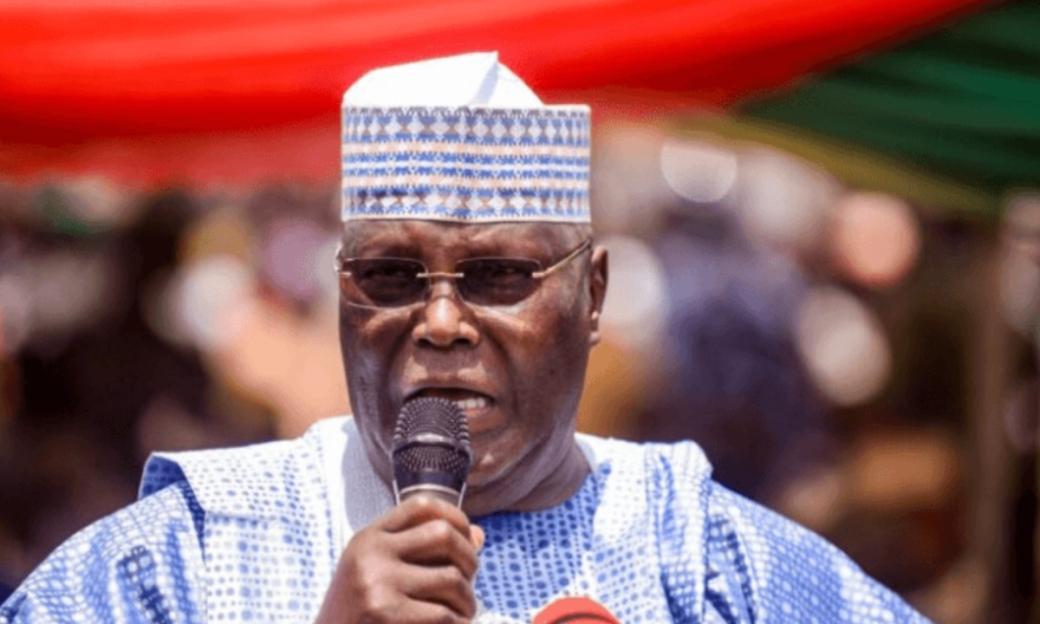
Former Vice President Atiku Abubakar has accused President Bola Tinubu’s administration of neglecting Nigerian students studying abroad under the Bilateral Education Agreement (BEA), warning that this alleged oversight has left approximately 1,600 young Nigerians stranded without support.
In a statement released on Sunday, Atiku claimed that the BEA scholarship program was quietly terminated under Tinubu “without any notification to parents or students and without consideration for those already in the midst of their studies overseas.”
Describing the initiative as a “diplomatic bridge now left in ruins,” Atiku explained that the BEA, which was launched in 1993 and revitalized in 1999, was meant to enable Nigerian students to pursue both undergraduate and postgraduate education through agreements with partner nations.
“What was initially referred to as a temporary five-year suspension has now transformed into outright abandonment,” Atiku stated.
He noted that the decision has resulted in students abroad being left without stipends, with unpaid allowances accumulating to thousands of dollars for each student.
“Their pleas are urgent and clear: pay the stipends owed, which now exceed $6,000 per student. Yet from the halls of power came a cold, bureaucratic response: scarce public funds must be managed ‘responsibly,’ and money intended to sustain these students abroad should instead be redirected domestically,” he said.
He disclosed that the situation worsened between September and December 2023 when stipends went unpaid, followed by a reduction in allowances by 56 percent in 2024, dropping from $500 to $220 per month, and were later completely halted.
“The harshness of the situation was intensified by both timing and tone. Hunger, unpaid rent, and shame have become the daily realities for these students,” he added.
“In Morocco, one student tragically did not survive the ordeal, passing away in November last year, turning silent suffering into public mourning,” Atiku remarked.
Parents and students have protested in Abuja, gathering at the Ministries of Education and Finance to seek answers, but their appeals, he noted, “have largely been disregarded.”
The former vice president also criticized comments attributed to the education minister suggesting that students who were “fed up” could be funded to return home, stating that such remarks “reduced years of study and sacrifice to an administrative inconvenience.”
“To worried parents, it sounded like expulsion through neglect. Today, that agreement lies shattered.”
Atiku concluded by stating that Nigerian scholars scattered across foreign campuses are still waiting not only for their stipends but also for reassurance that their country “has not forgotten them.”
Frequently Asked Questions
What is the Bilateral Education Agreement (BEA)?
The Bilateral Education Agreement (BEA) is a program established to enable Nigerian students to pursue undergraduate and postgraduate education in partner countries through mutual agreements.
Why did Atiku Abubakar criticize the Tinubu administration?
Atiku Abubakar criticized the Tinubu administration for allegedly abandoning Nigerian students studying abroad under the BEA, which has left many students without financial support and in difficult situations.
What impact has the lack of stipends had on students?
The lack of stipends has resulted in significant financial hardship for students, leading to issues such as hunger, unpaid rent, and overall distress, with some students even suffering tragic consequences.