The Nigerian government has been advised to move beyond infrastructure, curriculum, and policy reforms and prioritize institutionalizing youth participation in education planning, as well as investing in digital, green, and vocational skills to empower the next generation.
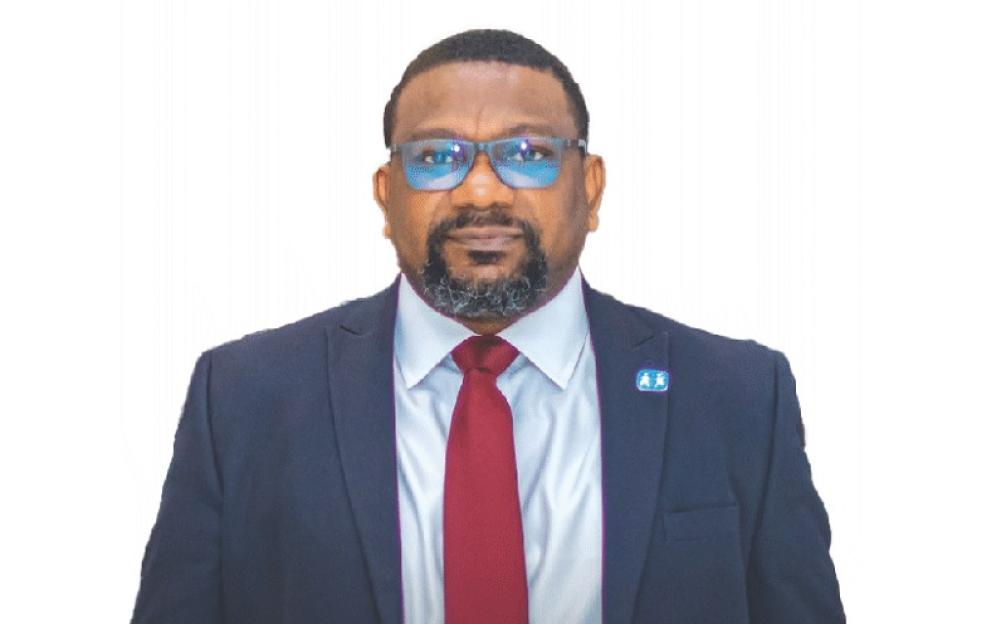
The National Director of SOS Children’s Villages Nigeria, Eghosa Erhumwunse, gave the advice on Monday in a statement to commemorate the International Day of Education.
Speaking at this year’s celebration themed “The Power of Youth in Co-Creating Education,” Erhumwunse emphasized the need for youth involvement in shaping education systems, stressing that infrastructure alone does not guarantee meaningful learning, and curriculum reform without relevance does not inspire ownership.
According to him, despite advancements in increasing access to education, updating the national curriculum, bolstering teacher preparation, and enhancing learning conditions, the number of out-of-school children in the nation is rising.
Erhumwunse said, “In a country with one of the largest youth populations in the world, education remains both Nigeria’s greatest opportunity and its most urgent challenge. While progress has been recorded in expanding access to schooling, revising the national curriculum, strengthening teacher training, and improving learning environments, the reality remains sobering.
“Millions of children and young people are still out of school, and many more learn in classrooms that are under-resourced, overcrowded, or disconnected from the realities of their lives and future aspirations.”
“Over the years, deliberate efforts have been made to improve the physical and learning conditions of schools through the reconstruction and renovation of education infrastructure, the supply of essential learning materials, improved water, sanitation, and hygiene (WASH) facilities, as well as the continuous training and retraining of teachers to strengthen learning outcomes. These interventions remain critical foundations for quality education.
“However, infrastructure alone does not guarantee meaningful learning, just as curriculum reform without relevance does not inspire ownership. Education becomes stronger, more relevant, and more sustainable when young people are recognized as co-creators rather than passive recipients.”
He argued that when education systems fail to harness the lived experiences, creativity, and ideas of young people, learning risks becoming distant and disengaging.
The director added that Nigeria needs more than just legislative and infrastructure changes to fully achieve Sustainable Development Goal 4, opining that a conscious culture change is needed, one that places youth leadership, innovation, and voice at the centre of educational reform.
“Education systems that listen to youth, learn from them, and build alongside them are better positioned to deliver equity, relevance, and long-term impact,” he added.