
"Pandemic Inquiry Reveals Thousands of Covid Patients Died Alone as NHS Faced Near Collapse"
THOUSANDS of people died alone in hospital as the NHS nearly collapsed during the Covid pandemic, the pandemic inquiry said today. Baroness Heather Hallett, cha...
 Written byEze Chidiebere Paul
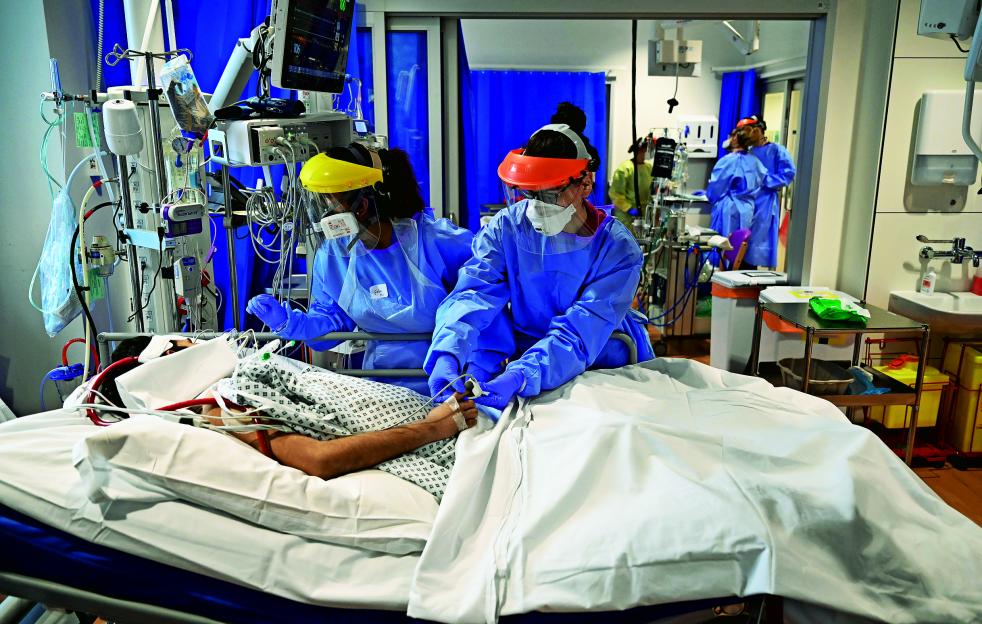
THOUSANDS of people died alone in hospital as the NHS nearly collapsed during the Covid pandemic, the pandemic inquiry said today.
Baroness Heather Hallett, chair of the Covid-19 Inquiry, said the health service was only kept functioning thanks to the “superhuman” efforts of health workers
Patients had to be treated by staff in heavy duty PPE and many were not allowed visitorsCredit: Getty
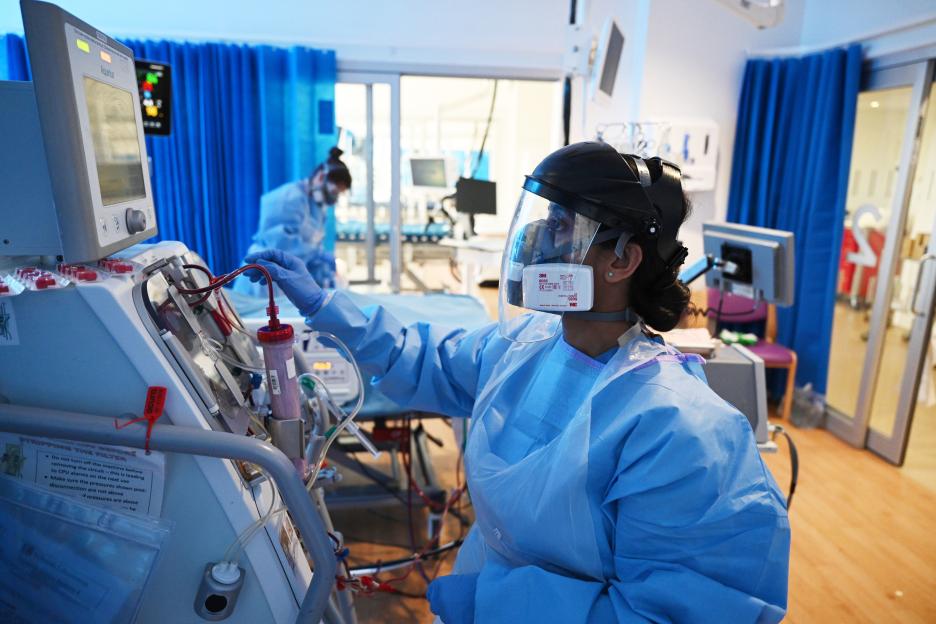 Health workers were forced to work ‘intolerable’ shifts ‘wave after wave’, the inquiry saidCredit: PA
Nurses and doctors were forced to “work under intolerable pressure for months on end” – and she warned they might not do it again.
The inquiry published a 400-page report on Thursday investigating the effect of the pandemic on the .
Baroness Hallett said: “The healthcare systems coped with the , but only just.
“On a number of occasions they teetered on the brink of collapse and only coped thanks to the almost superhuman efforts of healthcare workers and all the staff who support them.
“When the next pandemic strikes, there may not be a workforce able or willing to work under the conditions that arose during the Covid-19 pandemic.”
Her investigation involved 93 interviews, 300 written statements and 300,000 pages of evidence.
It is report three out of 10 for an inquiry that has so far and taken nearly four years.
It said the health service’s weakness meant it was forced to take drastic action when the virus hit in 2020.
Stopping non-urgent healthcare was found to have particularly impacted testing, heart disease patients and those waiting for hip replacements.
Baroness Hallett said: “Some patients suffering from Covid-19 did not get the quality of treatment they needed and some non-Covid-19 patients had their diagnoses and treatments delayed to the point where their conditions became untreatable.”
Banning hospital visits meant thousands of patients died alone.
The report said: “This has had a devastating impact on bereaved family members.”
This also traumatised staff and one intensive care porter said: “At the height it was a horrible place to be.
“You could see it in their eyes.
“Probably the thing that will stick with me the most is that so many people died on their own.”
Baroness Hallett said it was “unsurprising” that the NHS was devastated by the bug because it had severe workforce shortages, crumbling old hospitals, low numbers of beds for the population, and many wards were already close to full.
The health service still has all of these problems.
She added that failing to fully understand how the virus spread in the early stages also hampered the response.
Doctors and scientists underestimated its ability to spread through the air and did not have enough of the right types of protective equipment or plans for a virus like Covid.
Continue reading

GBBO finalist Ruby Bhogal’s bakes are our fave showstoppers right now
Credit: Matt Russell WITH a new series of about to begin, what better way to celebrate than with a selection of recipes from 2018 finalist Ruby Bhogal? Around T...
I was raped 15 times by Mohamed Al Fayed when I worked at Harrods – he had ‘favourite girls’ and made us have STI tests
SARA Blackiston remembers being thrilled when she secured a job as a hosiery assistant at Harrods as a young woman – and even more elated when she was quickly s...

UK’s biggest toy chain is hit by asbestos recall alert as wooden games are pulled from shelves
THE UK’s biggest toy chain has pulled a wooden game from shelves over fears it contains asbestos. Shoppers have been urged to stop using the product immediately...
Middle-age disease ‘silently’ affecting one in FIVE Brits and fuelling deadly cancer – are you at risk?
LATE-stage diagnoses of deadly liver disease are surging because it develops so “silently”, concerning research suggests. Around 1.3billion people worldwide are...