A MAJOR UK city is set to receive a multi-billion pound fleet of new trains – after a year-long delay to roll-out.
The trains are expected to be in service between December 2026 and June 2027.
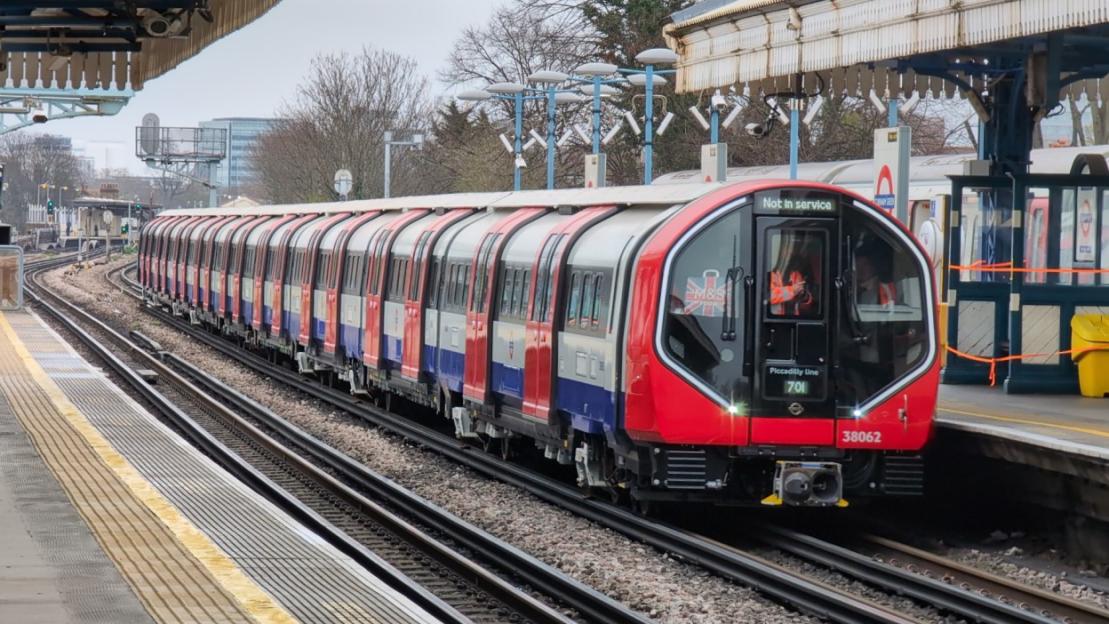 The new trains will feature 10 per cent more capacity Credit: TFL
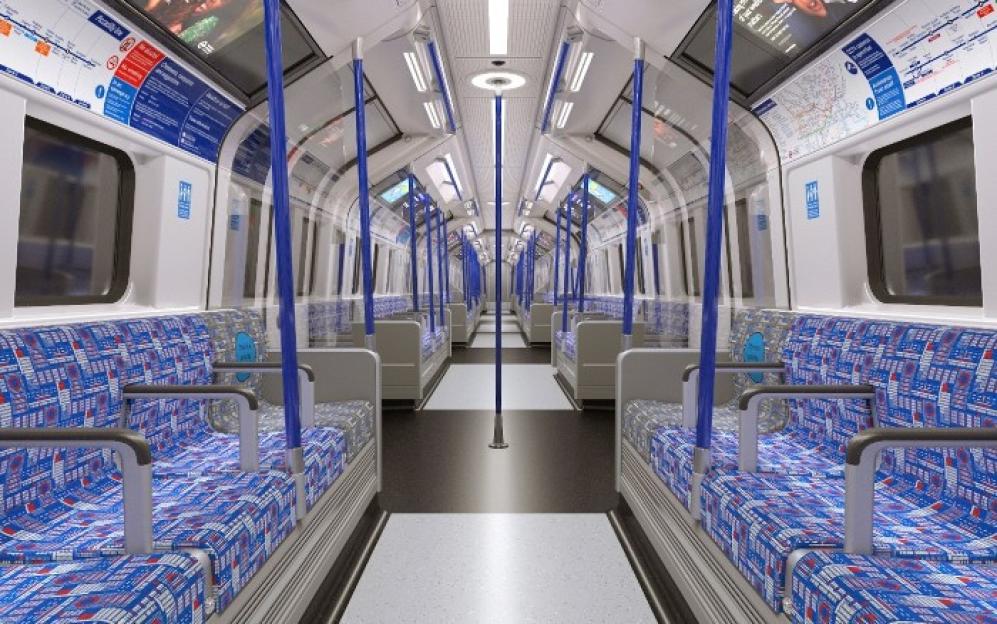 The new trains were expected to replace the current fleet in late 2025 but now roll-out will be next year Credit: TFL
London’s will receive a fleet of 94 new trains next year, as part of a £3.4 billion “state-of-the-art” upgrade to the current infrastructure.
The , dubbed as the world’s “most advanced”, feature 10 per cent more capacity than the current fleet, along with wider doors, walk-through carriages, air-conditioning systems and digital open CCTV.
Manufactured by Siemens in , the trains were initially expected to be rolled out in late 2025.
However, challenges in adapting the Victorian-era railway track to fit the new fleet have resulted in delays.
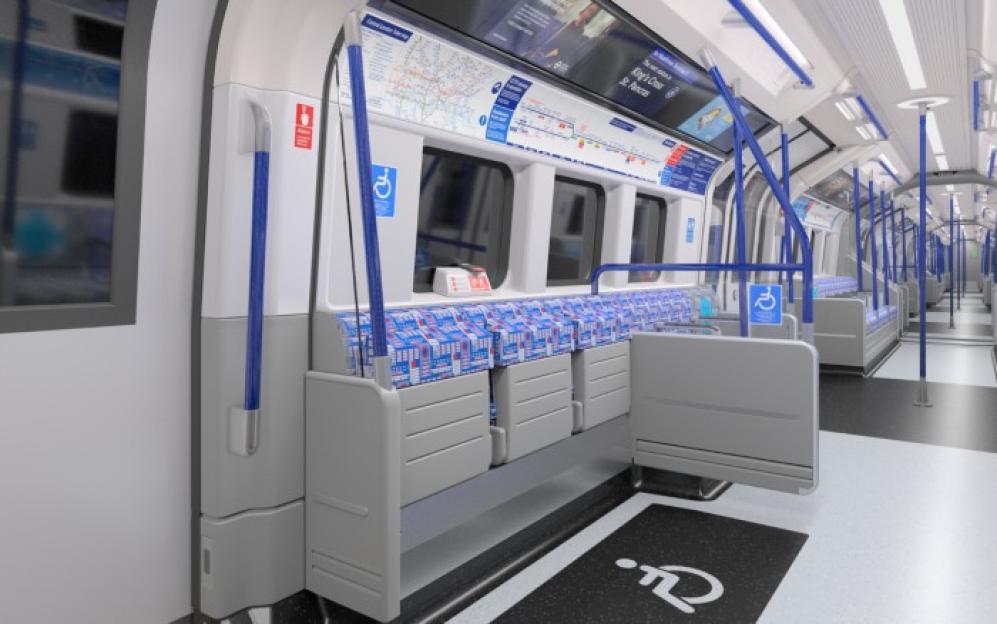 The trains also boast better accessibility features and CCTV Credit: TFL
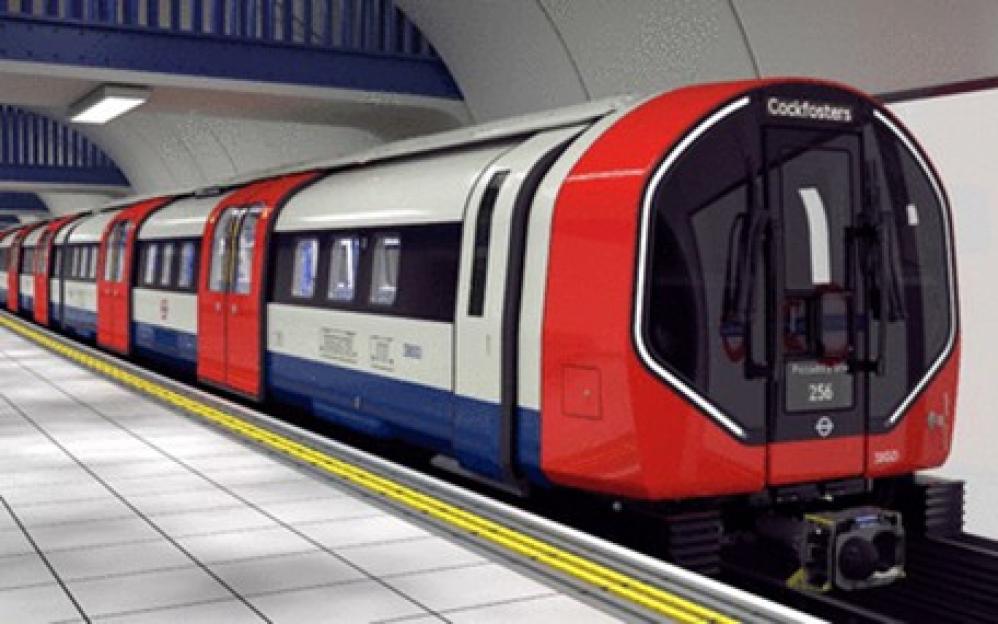 The new trains will run along the current fleet for the next two to three years Credit: Unknown
Transport for London’s commissioner, Andy Lord, said: “These trains are the latest, highest-tech design we’ve ever had on the . They’re extremely complex, particularly because of having to integrate air-conditioning in very tight spaces.
“So there have been some initial design challenges on that.
“We’re also having to adapt it so we can run both the new fleet and the existing fleet together for probably two to three years. So that involves a huge amount of engineering construction, and we’ve got to upgrade the power and various other elements.”
In order to run both types of trains at once, he said that platform slabs need to be re-laid, power lines need upgrading and need to be set so they can be seen by both types of trains.
The budget was also recently increased from £2.9 billion to account for the added complexities.
According to TfL, the Piccadilly Line accounts for around 10 per cent of passenger journeys with 158 million trips annually, and currently runs with trains dating back to 1973.