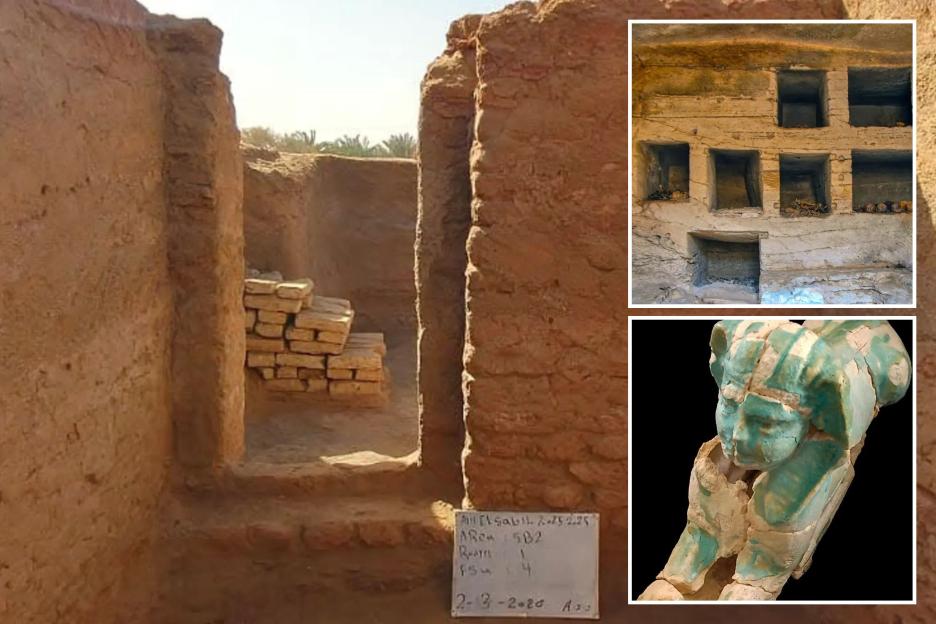
AN ANCIENT lost city has been discovered in Egypt centuries after it was buried in the desert – with its streets, tools and coins still preserved.
The incredible Byzantine-era metropolis dating back to the fourth century was found by archaeologists near Alexandria.
 Boffins located an ancient lost city in EgyptCredit: Refer to source
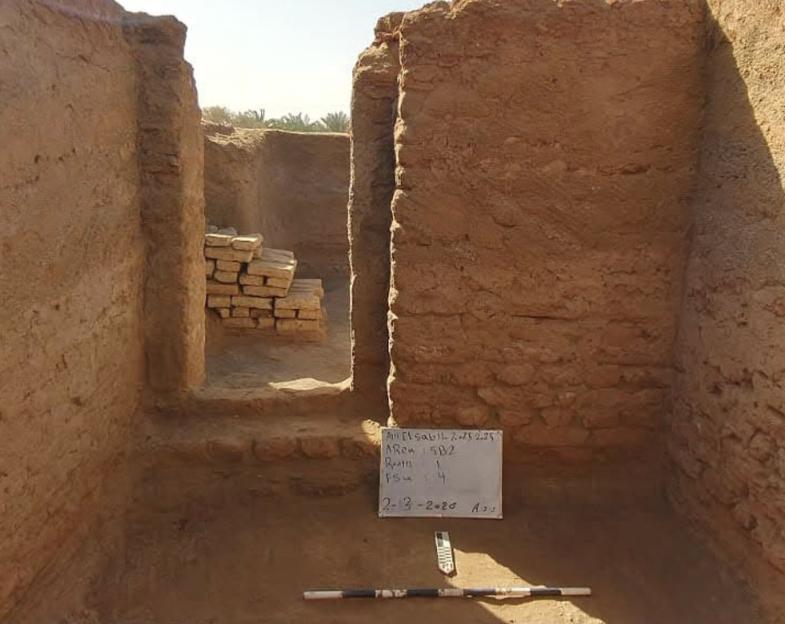 The stunning find was uncovered by scientists in Egypt Credit: Ministry of Tourism and Antiquities
Boffins located the city at the Dakhla Oasis archaeological site before probing several artefacts from the long lost settlement.
The discovery has given scientists a clearer insight into daily life and economic activities in modern-day Egypt.
A basilica church stands at the city’s head, overlooking its main streets, along with remains of two watchtowers to safeguard the outskirts.
The oasis in Egypt’s western province of New Valley is on UNESCO’s Tentative List – one level away from the World Heritage List.
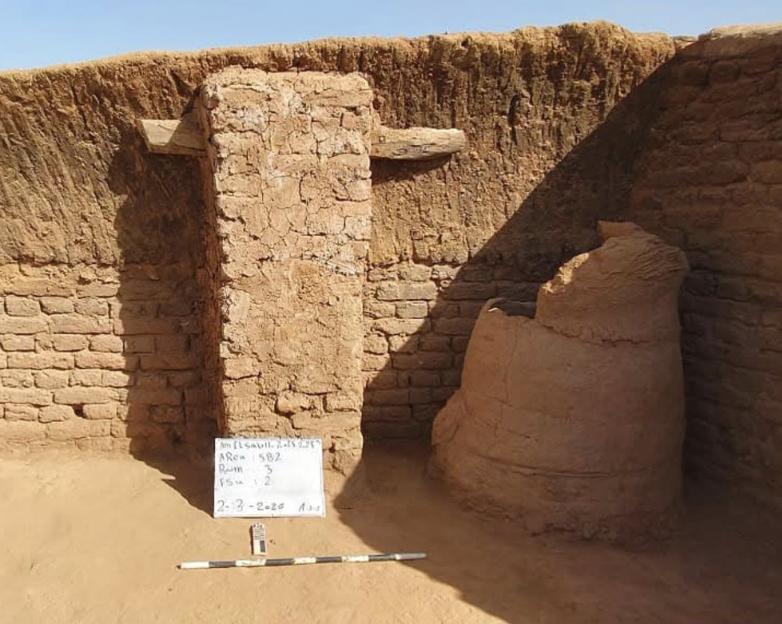 The ancient city was buried in a desert Credit: Ministry of Tourism and Antiquities
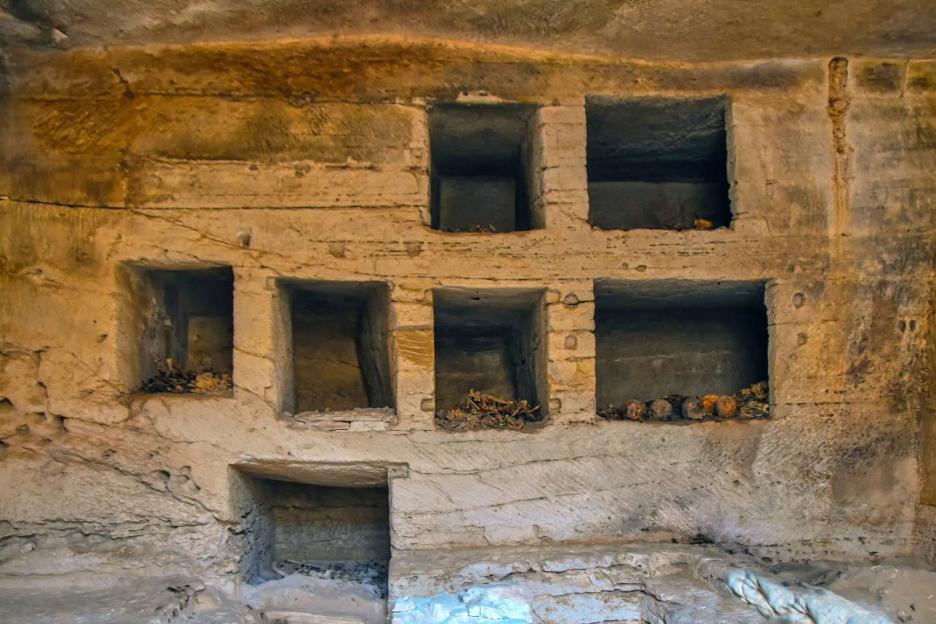
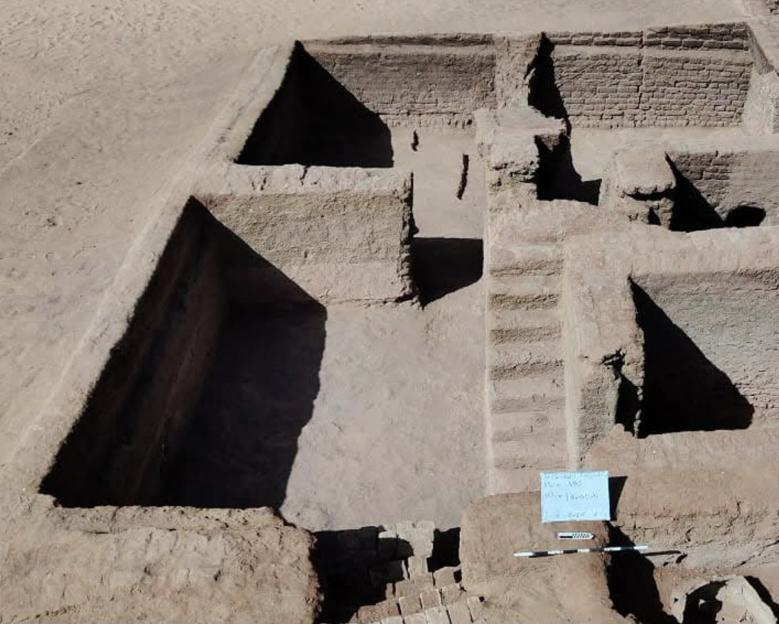 Researchers found several fascinating structures inside Credit: Ministry of Tourism and Antiquities
Chair of the archaeological mission Mahmoud Massoud said his team found a heavily fortified structure with defensive walls.
They also located many houses with reception halls and vaulted roofs in the area.
The house of Tisous, a church deacon from the second half of the fourth century, was also found.
Archaeologists also unearthed bread ovens, kitchens and stone grinding tools that had been apparently used to produce food.
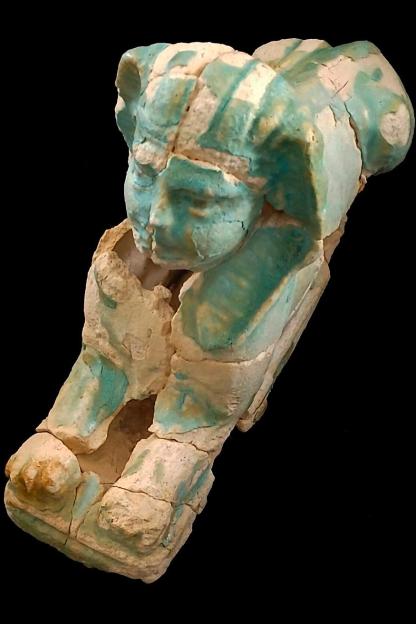 Remains of a plaster sphinx statue were foundCredit: Refer to source
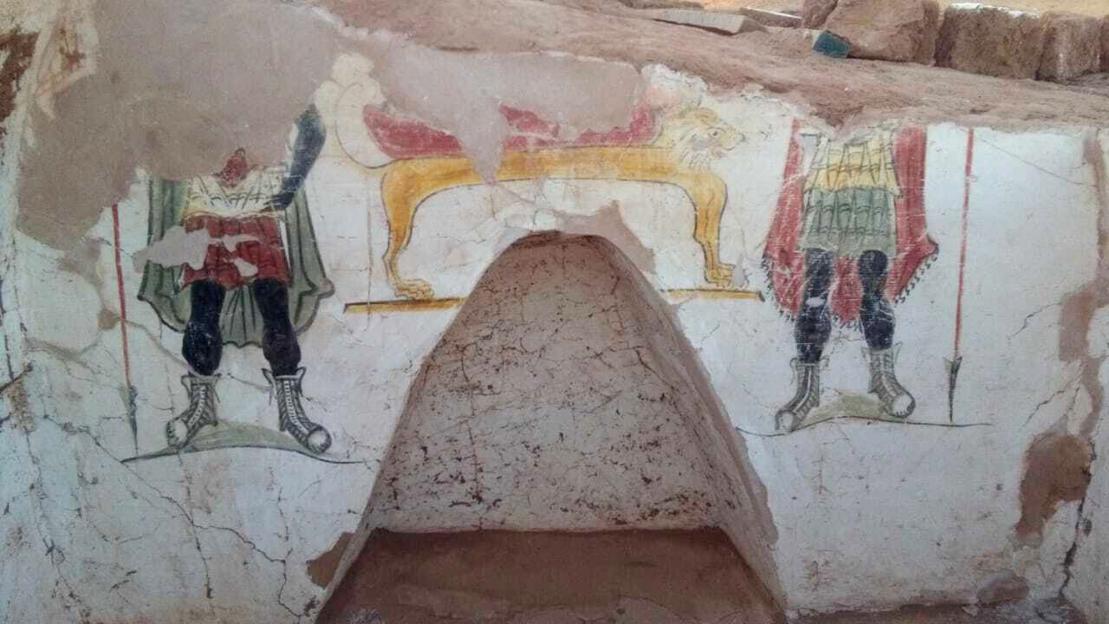 The city was found at the Dakhla Oasis, pictured here in 2019 Credit: AP
The team also discovered well-preserved bronze coins bearing portraits of Byzantine emperors, Latin inscriptions and Christian symbols.
There was also a group of gold coins dating to the reign of Roman emperor Constantius II, who ruled between 337 and 361.
Head of the Islamic, Coptic and Jewish Antiquities department Diaa Zahran said they found a collection of about 200 pottery fragments which would have been used as writing material.
The fragments, known as octraca, have inscriptions detailing commercial transactions, correspondence and other details of daily life.
In another extraordinary discovery, researchers also located 18 2,000-year-old tombs in the Marina el-Alamein archaeological site.
The find includes 11 deep rock-cut tombs and seven made from limestone, bringing the site’s total to 48 tombs.
On the site, experts uncovered a treasure trove of pottery, lamps, altars, and a 2.5-meter-long granite coffin containing human skeletal remains.
Near the coffin, they also found the remains of a plaster sphinx statue.
Four gold pieces known as “golden tongues” were also found inside the mouths of some of the dead to aid them in the afterlife.
The site is believed to be the ancient Greco-Roman port city of Leukaspis, which thrived from the second to the fourth century.