
Enigmatic Blue Sea Creatures Wash Up on UK Beach – Can You Identify Them?
By-the-wind Sailor (Velella velella), near Rhosneigr, Anglesey. Credit: Daily Post HUNDREDS of stunning blue sea creatures have washed up on a popular UK beach...
 Written byEze Chidiebere Paul
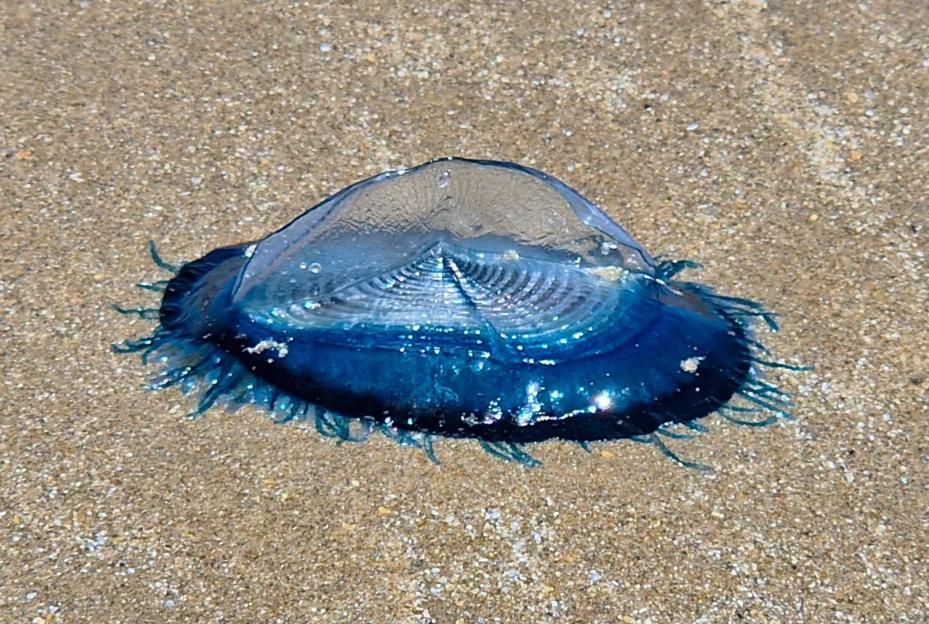 By-the-wind Sailor (Velella velella), near Rhosneigr, Anglesey. Credit: Daily Post
HUNDREDS of stunning blue sea creatures have washed up on a popular UK beach with mystery surrounding what they might be.
The jellyfish-looking critters have bemused beachgoers after they appeared across the North coast.
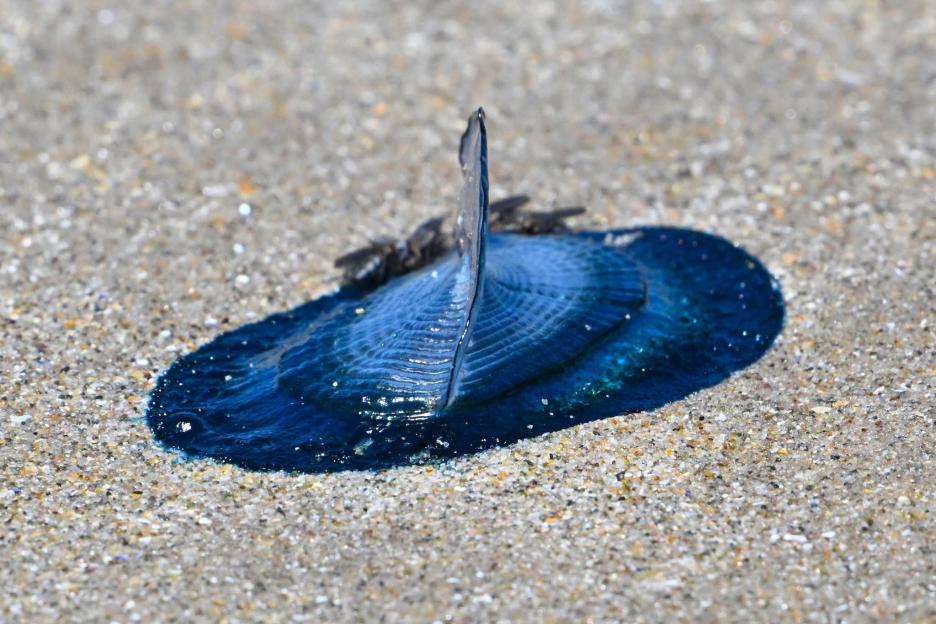 Stunning blue sea creatures have washed up on a popular UK beach Credit: Daily Post
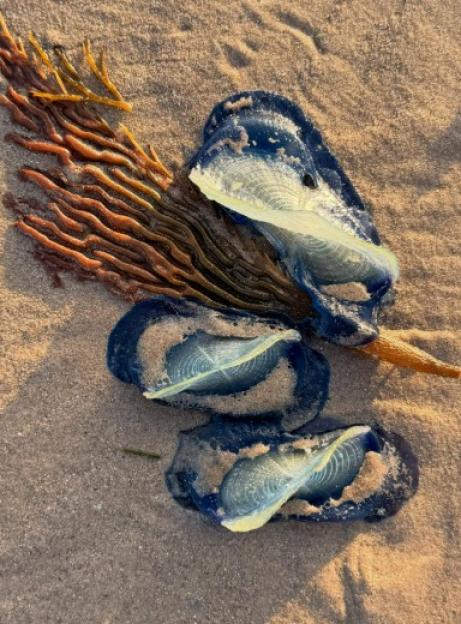 The jellyfish-looking sea critters are known as ‘By-the-wind-sailors’ Credit: justinablakeney/Instagram
The sea of “By-the-wind-sailors” reportedly washed up in Anglesey and the Gwynedd coast and are a close relation of the Portugese Man-O’-War, North Wales Live .
Locals reported seeing a “blue tide” made up of hundreds of the creatures with some saying they looked like “alien jellyfish”.
Frankie Hobro, a marine specialist and owner of Anglesey Sea Zoo told the outlet: “They blow in on winter storms and are therefore noticed less often. June is late in the season to see them.
“We had a warm spell in late May followed by an unsettled start to June, which may be why they’re appearing now.”
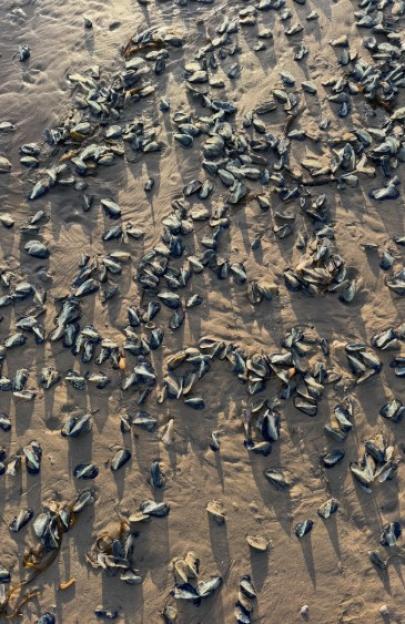 They can often wash up in their hundreds or even thousands, especially during stormy weather Credit: justinablakeney/Instagram
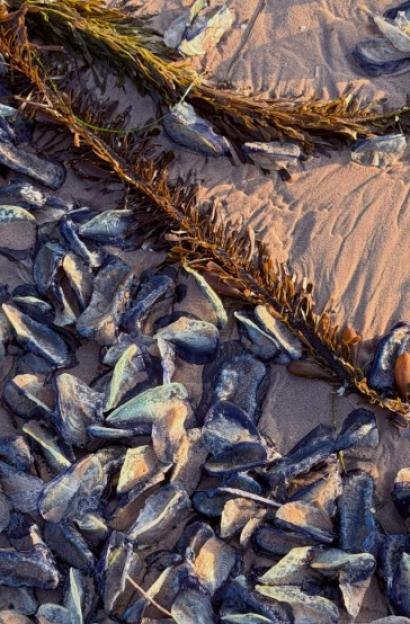 They are usually spotted around the coasts of Britain and Ireland Credit: justinablakeney/Instagram
They are usually spotted around the coasts of Britain and Ireland, usually around autumn and winter when storms occur and can often wash up in their hundreds or thousands, dubbed by some as a “blue tide”.
The small, vibrantly blue drifters are also known as Velella velella and they are not classed as jellyfish, even though they may resemble them.
Instead, they are “colonial hydroids” and are made up of colonies of tiny individual animals, say the Wildlife Trust.
Very little is known about the colonial critters which can measure up to 10cm in length but tend to be smaller.
Their common name comes from a fin which looks like a small sail and allows them to catch the wind and travel on warm ocean currents – it sits atop a blue disc while tentacles hang down into the water.
Their tentacles deliver a sting which is how they prey on small fish and other small creatures during their travels.
But Frankie added that their stings are “not dangerous” and while they may be mild, “they can still irritate you”.
She advised covering up while in the water, especially if there is a Portugese Man-O’-War lurking nearby which can deliver a notoriously painful shock.
Continue reading

Nasarawa: Police present N30.8m insurance benefits to families of deceased officers
The Nasarawa State Police Command has presented Group Life Assurance and Group Personal Accident cheques totaling N30,845,424.03 to families of deceased police...

Newborn mauled to death by pet dog Chomp as beast bit helpless baby 180 times at family’s squalid home
A NEWBORN baby has been mauled to death by a pet dog called Chomp, suffering 180 bites. Baby Jason Anthony Weaver was just a week old when the husky and pit bu...

‘Educated illiterate’ – Soludo under fire after releasing alleged records of Peter Obi’s debts
The Anambra State Governor, Charles Soludo, came under heavy criticism on Wednesday following the release of alleged records of loan taken by presidential candi...
Parents slam school for ‘making children as young as NINE wipe down tables and sweep the floor at lunchtime’
PARENTS have slammed a UK school for “making” children as young as nine take part in a new lunchtime clean-up initiative. Year 5 and 6 pupils at the have been...