A MEGA rich mumfluencer has hit back at Supernanny Jo Frost after she said her parenting would have “long term impact on her daughter’s self esteem”.
The parenting expert weighed in on a video shared by Love Luxury co-founder – known as the ‘Birkin Queen’ – in which her 13-year-old Maali was seen revealing prices of items being sold through the family business.
 Emily Abraham, co-founder of the company Love Luxury, has hit back at Supernanny Jo FrostCredit: Instagram/@therealemilyabraham
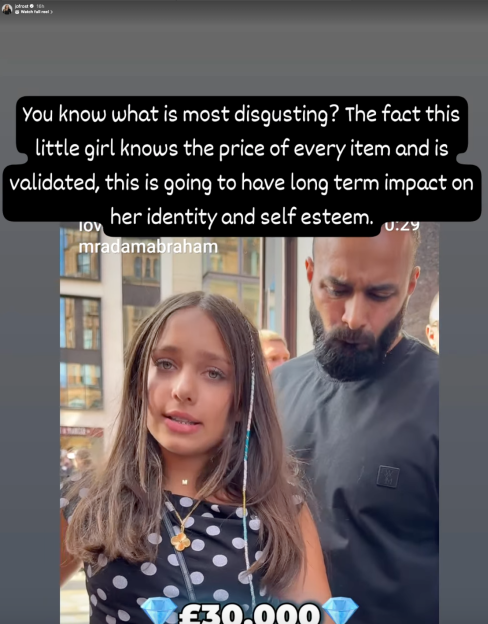 Jo shared a screenshot of a video of Emily’s daughter Maali, in which she revealed the price of some items being sold through the family businessCredit: tiktok/therealemilyabraham
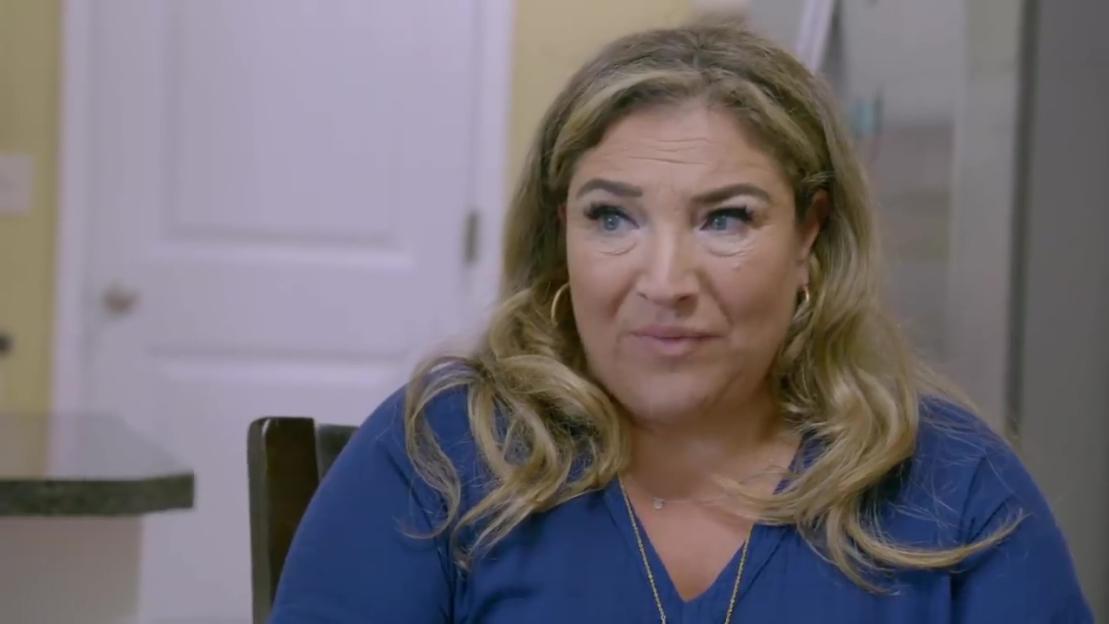 Jo, who previously found fame offering parenting advice to others, called the clip “disgusting”Credit: Channel 4
Sharing a screenshot of the video on her Instagram Stories, Jo wrote: “You know what is most disgusting?
“The fact this little girl knows the price of every item and is validated, this is going to have long term impact on her identity and self esteem.”
Emily then hit back in an Instagram video, in which she criticised her for using her child as a “case study” without knowing the context of the video.
“Something was brought to my attention last night and for me to say mama bear is fuming, would be an understatement,” she began.
“So let me address this now! This video was a promotional advert for our business.
“That was clear on our page and would have been obvious to anyone who took a moment to do even basic research.
“Maali knowing the , jewellery, or a handbag is not about ‘validation through money’.
“She is growing up in a family business, and in five or six years’ time she could very well be involved in — or taking over — that business.”
Emily went on to insist that “understanding product value and pricing is part of learning the trade”, and “knowing the price of material goods in an advert does not define a child”.
“But projecting psychological harm onto a stranger’s daughter for internet engagement does say something about the adult doing it,” she continued.
“What is genuinely concerning is a grown adult in her 60’s reposting content of a child, without parental consent, and attaching a public narrative about her ‘identity’ and ‘self-esteem’ — despite having no relationship, no context, and no authority to do so.”
Emily concluded by insisting Maali is “confident, secure, loved, educated, and protected”.
“She is not a case study, and she does not require armchair psychological assessments from people who do not know her,” she raged.
Sharing the video on Instagram, Emily wrote in the caption: “I chose to read from a teleprompter because this situation is close to home and involves my child.
“I wanted to ensure my response was measured, factual, and professional, rather than emotional.
“When a child is involved, context and responsibility matter.
Different parenting techniques
Here are some widely recognised methods:
Authoritative Parenting
This technique will often foster independence, self-discipline, and high self-esteem in children.
It is often considered the most effective, this technique is where parents set clear expectations – enforcing rules – whilst also showing warmth and support.
Authoritarian Parenting
This is opposite to authoritative parenting, as it is where the parent sets high demands but is low on responsiveness.
It involves ensuring the child is obedient and often employ punitive measures. While this can lead to disciplined behaviour, it may also result in lower self-esteem and social skills in children.
Permissive Parenting
Permissive parents tend to be indulgent and lenient, often taking on a role more akin to a friend than an authority figure. They are highly responsive but lack demandingness, granting children a lot of freedom. This method can nurture creativity and a free-spirited nature but may also result in poor self-regulation and difficulties with authority.
Uninvolved Parenting
Uninvolved or neglectful parenting is marked by low responsiveness and low demands. Parents in this category offer minimal guidance, nurturing, or attention. This often leaves children feeling neglected, which can have significant negative effects on their emotional and social development.
Helicopter Parenting
Helicopter parents are extremely involved and overprotective, frequently micromanaging their children’s lives. Although their goal is to protect and support, this approach can hinder a child’s ability to develop independence and problem-solving skills.
Free-Range Parenting
Free-range parenting encourages children to explore and learn from their surroundings with minimal parental interference. This method promotes independence and resilience but requires a safe and supportive environment to be successful.
Attachment Parenting
According to Marriage.com , Attachment parenting focuses on physical closeness and emotional bonding, often through practices such as co-sleeping and baby-wearing. This approach aims to create secure attachments and emotional well-being, but demands significant time and emotional commitment from parents.
Each of these parenting techniques has its own set of strengths and weaknesses. The key is to find a balanced approach that aligns with the family’s values and meets the child’s needs for a healthy, happy upbringing.
“This video exists to set the record straight, nothing more, nothing less.”
And people in the comments section were largely on Emily’s side, with one sighing: “Jo Frost always thinks she is a know it all because she was a nanny 20 years ago.”
“Please Emily, do not even acknowledge that woman,” another urged.
“If she knew Maali and you like we do she wouldn’t be saying these things.”
“Well said!” a third wrote.
“And I can vouch for Maali – everything you just described is accurate and this Jo lady has no right to even get involved.”
Plain and simple, when adults are commenting on your child, daughter, knowing prices of designer goods, it comes from jealousy