AFTER a long day in the office Stephanie Salvilla couldn’t wait to pick up her children and get home.
Slipping behind the wheel of her car, the mum popped her handbag into the passenger seat as she prepared to drive to her son Gannon’s nursery.
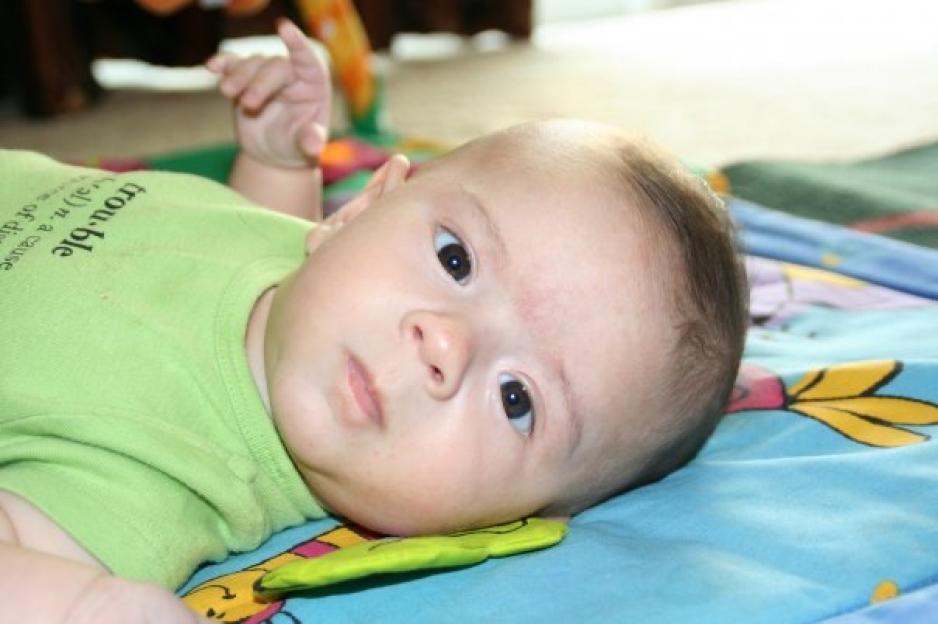 Gannon Salvilla died after he was left in his mum’s car for nine hours while she was at workCredit: Supplied
 Stephanie suffered from Forgotten Baby Syndrome, totally believing she had dropped her son off at nurseryCredit: Supplied
But glancing over her shoulder, Stephanie froze.
There, strapped into his car seat was her five-month-old son, unmoving, unbreathing, unresponsive – Stephanie had never dropped him off at nursery.
“It’s an unimaginable horror,” the mum, now 55, tells Fabulous.
“I cannot describe the grief and desperation I felt.
“I was a mum who’d read about these terrible stories and never thought it could ever happen to me or my child.”
It was 16 years ago in July 2009 when Stephanie and her then husband’s world shattered into a million pieces.
The family were living outside of Orlando and Stephanie, then 39, had driven to work and was convinced she had dropped both her daughter Mackenzie, five, and five-month-old Gannon at their respective nurseries.
She says: “I vividly remember dropping off my daughter first and she made a little fuss at the drop off line. She ran back to kiss Gannon goodbye.
“The next stop was Gannon’s daycare and I remember handing him to one of the carers – I even remember the colour of her shirt.
“Then I went into work, glad to be in the air conditioned offices as it was going to be sweltering in Florida.”
The day was like any other, she caught up with paperwork, chatted to colleagues, and was planning an outing with a friend at the park with her two children the next day as she had taken the Friday off work.
When Stephanie finished her nine hour day as a biologist she was tired but was looking forward to her three-day weekend.
But as soon as she put her keys in the car’s ignition and glanced over her shoulder her world was turned upside down.
“When I saw Gannon strapped in his car seat I did a double take, I was sure I was seeing things,” Stephanie says.
“Then that mother’s instinct kicked in and I knew instantly he was gone.
“Nothing can prepare you for that and nothing can make it better.
“I was gripped with hysteria but I couldn’t scream or cry. I had to call the ambulance and I had to call the police.
“All I wanted to do was hold my son and will him back to life.”
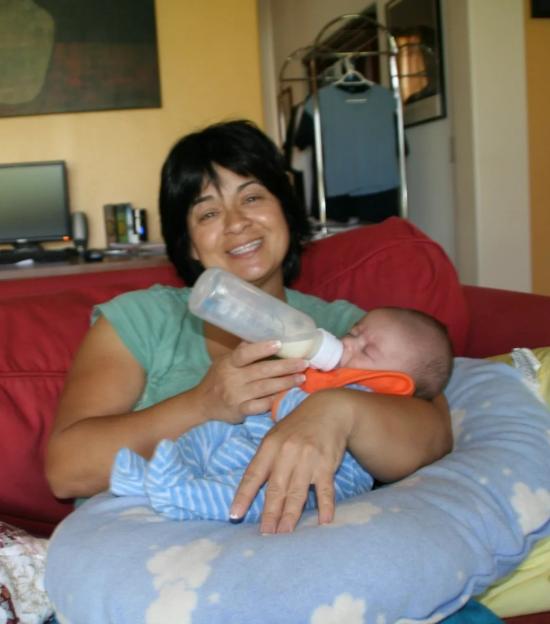 Stephanie says she was an overly cautious mum and had taken every precaution to keep her children safeCredit: Supplied
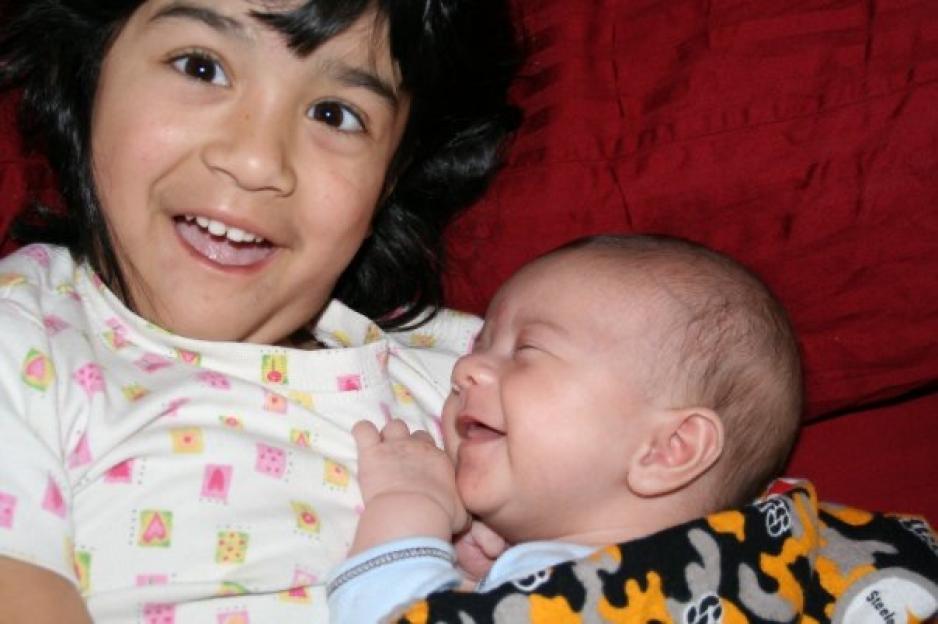 Gannon was survived by his sister Mackenzie, seen together hereCredit: Supplied
Gannon was declared dead at the scene and taken to a local hospital. Stephanie could not go with him and instead she was taken to the police station.
She recalls: “I told the police I’d dropped my son to day care, even to this day that’s what I remember of that day.
“I answered their questions again and again, then I was charged with aggravated manslaughter in connection with the death of my own son.”
An examination of Gannon’s body found he died of heatstroke. It was a hot summer day in Florida with temperatures reaching the low 30s outside the car.
While that may seem a manageable heat, the interior of a parked car can rapidly climb to 60 degrees celsius or higher, creating a lethal condition for babies.
Gannon was left in the car for nine hours, causing his fatal injuries.
After Stephanie was released on bail, she returned home to face her husband and daughter.
“My husband and I were devastated, there were no words of comfort we could find,” she says.
“I told my daughter mummy had not dropped Gannon at daycare and he had gone to heaven. It was the hardest conversation a parent can ever have.”
Strangers hear of a child dying in a car and immediately you’re labelled a bad mother
Stephanie Salvilla
Stephanie’s only small reprieve was that her close friends and family didn’t desert her.
“They knew I was a dedicated mother, wife and carer,” she says.
“They stood by me. I needed a small group of people to believe I hadn’t done this deliberately.
“I wasn’t given time to grieve. I had to find a lawyer, I had to help my family through the loss, I had to fight my case in court and I had to find the reason this had happened.”
Gannon was born in February 2009 via C-section weighing six pounds after Stephanie developed complications from pre-eclampsia.
“I recovered quickly from the surgery and Gannon was an absolute joy,” she says.
“I developed a routine to care for his overnight feeding at 1am and was always up at 5am every morning to get the children ready for the day.
That week in July Stephanie’s five-year-old daughter had been poorly with an eye infection and the new mum of two was functioning on four hours’ sleep a night.
A self admitted overachiever who volunteered in the community, took part in bake sales, had a degree and ran the household never allowed herself much time to rest.
“My survival technique was routine,” Stephanie says.
“I was a super cautious mum. I researched dozens of car seats, I tested different driving routes to nursery to ensure safety and I tested multiple cots and baby kits to ensure I made the right choice.
“I had a cognitive routine for childcare and errands.

“On the days I worked I’d put the baby bottles on the front seat for Gannon as a constant reminder to drop him off.”
The day before Gannon’s death, Stephanie’s daughter was too ill with the eye infection to go to day care so she took a day off work and cared for the kids.
“During the day I was shattered and called my husband and asked him to come home early as I physically couldn’t lift the children due to sleep deprivation,” she says.
“The next day instead of leaving for work early he offered to put the children in the car. It was the first time he had ever done that and I was ecstatic and grateful for the help.”
Little did she know that one small change to her routine would lead to her beloved son’s death.
“My husband put the baby bottles in the back seat,” Stephanie says.
“I didn’t want to criticise him because it was the first time he’d been helping me with the morning jobs.
“But it meant I was missing that visual reminder to drop off my son.”
What happened next was worsened by Stephanie being exhausted, having gotten up to feed Gannon at 1am before starting the day at 5am.
You can judge me but for Gannon’s sake please read my story and do everything you can to make sure it never happens to you
Stephanie Salvilla
She says: “I always called my father on the drive to work. He’d ask me where I was on the journey and we’d talk. I was too tired to even call him.
“I dropped my daughter at her day care and remember feeling anxious when she held up the drop off line to run back and give Gannon another kiss.”
To this day Stephanie sees herself dropping Gannon at his childminder and going about her normal work day.
She adds: “Because the visual cues I relied on like Gannon’s bottles in the front seat were not there, the normal triggers of my memory experiences didn’t occur.”
This set up what experts call a cognitive mismatch between her expectation and the day’s actual events.
The same year Gannon died, “Forgotten Baby Syndrome” was used to explain what happened not only to Stephanie but dozens of other loving parents around the world.
WHAT IS 'FORGOTTEN BABY SYNDROME?'
The term became widely recognised following research by University of South Florida neuroscientist David Diamond, who revealed results of his study into how routine memory can override prospective memory, leading to why loving, responsible parents can unintentionally forget a child in a car.
He described prospective memory as our brain’s ability to remember to do something in the future, in Stephanie’s case dropping off Gannon at day care.
Dr Diamond found that when there is a change in routine, stress, fatigue, the brain may default to a more habitual memory system, which happened to Stephanie such that she went straight to work, effectively “erasing” the intention to stop at day care or assuming she had done it.
This is because her memory trigger of the bottles wasn’t in its correct place.
Since 1998, an average of 37 to 38 children under the age of 15 have died each year in the U.S. from heatstroke after being left in vehicles, while in 2024 there were 39 reported deaths from Forgotten Baby Syndrome.
More than half, or 55%, of these deaths occur when a caregiver unknowingly leaves the child in the vehicle.
But while there might be an explanation for Gannon’s death when the news of Gannon’s death broke, Stephanie found herself the target of vile abuse.
She says: “Strangers hear of a child dying in a car and immediately you’re labelled a bad mother, a vile human, and people say they’d never do that to their child.
“Dealing with this new layer of hate and trolling broke me in ways I didn’t think possible.”
The funeral home advised against a funeral due to public and press interest and instead the family chose a private gathering and the only other option — a cremation.
Stephanie says: “I couldn’t bury Gannon and leave him all alone in a grave. I wanted him with us to know he was loved.”
Six months after Gannon’s death, in December 2009, Stephanie’s court case was finalised.
She accepted a plea agreement with prosecutors, which saw her plead guilty to a lesser charge of leaving a child in an unattended vehicle.
Stephanie was not charged with a felony, didn’t serve prison time and received five years’ probation.
Within a month of the plea deal Stephanie and her husband separated and later divorced.
“The finalisation of the court case spiralled me into overwhelming grief,” Stephanie says.
“I blamed myself for my son’s death, I had suicidal thoughts, I stopped eating.
The couple divorced as Gannon’s death brought to light broader challenges in their marriage.
“The marriage breakdown just pushed me further into self loathing and hate.
“If anyone thinks I haven’t punished myself, they think again. I can never stop blaming myself. It is with me every day.”
Meanwhile Stephanie’s daughter Mackenzie continued to grieve her brother as she tried to make sense of his death.
“She worried that because he was so young when he died he wouldn’t be able to walk in heaven,” says Stephanie.
“Six months later we were at a shopping centre and she was holding my hand,” says Stephanie.
“She looked up and said ‘mummy, I forgive you for what happened to Gannon’.
“Her kindness and understanding showed the power of love and forgiveness.
“She is now 22 and is my best friend and my rock. She and I went through it together and we keep Gannon’s memory alive.
Fighting back tears, Stephanie adds: “I have slowly rebuilt my life and my daughter’s. But the sadness, the sorrow — it never ever stops.”
As part of keeping her son’s memory alive and raising awareness, Stephanie has become a dedicated advocate for the charity Kids and Car Safety .
She says: “I have lobbied the state and national government to introduce mandatory sensors in all cars to alert people if a person or child remains in the car.
“We need this technology because no one, especially a child, deserves to die from exposure in the way Gannon or other babies have.”
Stephanie also works to share her story, knowing while it causes her pain it’s the best way to educate people about leaving children in cars unattended even for short periods of time.
“In five minutes or less temperatures can rise or plummet in a car and babies can’t properly regulate their body temperature,” she explains.
“A severe injury or death can occur in a blink of an eye.
“What happened to me was the most extreme situation.
“Distractions, a lack of sleep and a breach from routine resulted in a nightmare I will never wake up from,”
“My Gannon would have been 16 now. He’d be playing sports and thinking about colleges.
“You can judge me but for Gannon’s sake please read my story and do everything you can to make sure it never happens to you.”
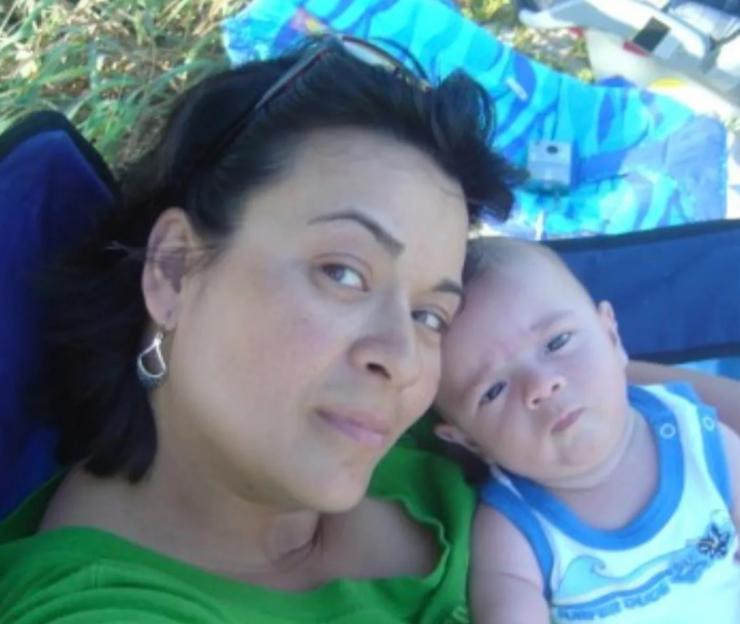 Stephanie hopes that her story will prevent the same tragedy happening to other mumsCredit: Supplied
 The mum has moved on with her life but says she is unable to ever forgive herselfCredit: Supplied