A NEW form of male birth control that stops sperm production is “100 per cent effective”, according to scientists – and fully reversible.
researchers were able to halt the production of sperm in mice safely and without causing lasting harm, in a study conducted over six years.
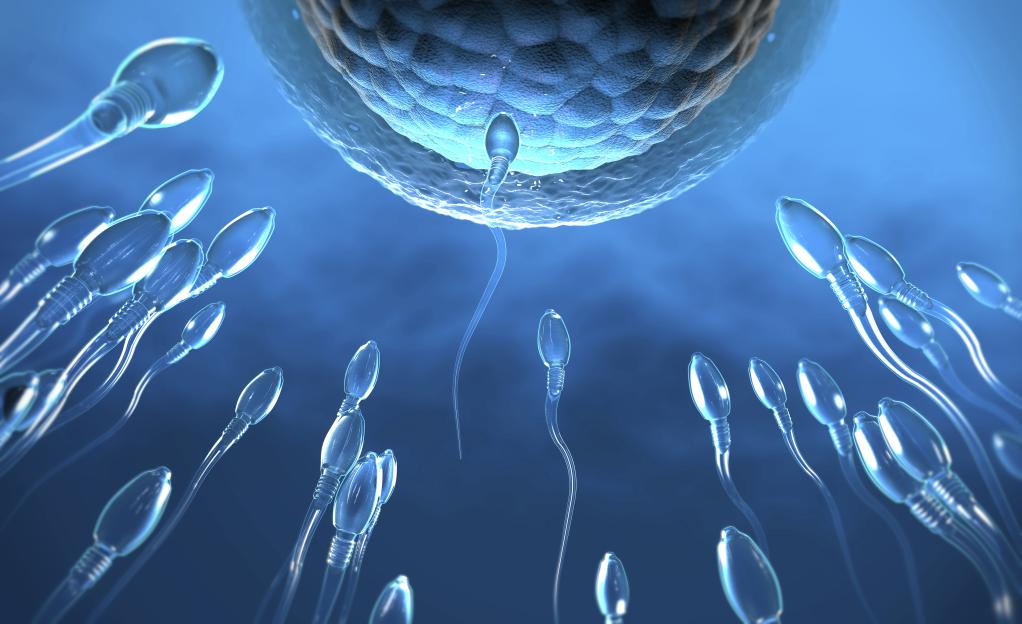 Researchers were able to stop sperm production by targeting a stage of sperm cell production called meiosisCredit: Getty
They did this by targeting a process called meiosis, which produces sex cells.
Paula Cohen, professor of genetics in the College of Veterinary Medicine and director of the Cornell Reproductive Sciences Centre, said: “Our study shows that mostly we recover normal meiosis and complete sperm function, and more importantly, that the offspring are completely normal.”
Scientists used a chemical compound called JQ1, which is what’s known as a small molecule inhibitor.
It enters cells and binds to specific proteins inside them to reduce or block their biological activity.
JQ1 was originally developed to study cancer and inflammatory diseases, but researchers repurposed it, as it’s known to interfere with a stage of meiosis called prophase 1.
This allowed researchers to demonstrate, for the first time, that targeting meiosis can safely and reversibly shut down sperm production.
At the moment, male forms of contraception involve condoms and vasectomies, a procedure that stops sperm from being ejaculated from the penis during sex.
They can be reversed by getting another surgery.
Vasectomies are the only long-lasting contraceptive option for men, but many are wary of getting them.
At the same time, researchers have been cautious about developing hormonal forms of contraception for men, partly due to safety concerns observed in women.
Hormonal options for women include contraceptive pills, patches, implants and vaginal rings.
Prof Cohen said: “We were really motivated to look for nonhormonal contraceptive targets in the testis [the organ where sperm is produced], something that stops sperm production without affecting male libido and secondary sex characteristics.”
Such secondary sex characteristics include facial and chest hair, a deep voice and muscle mass.
Sperm production happens in three main stages.
It starts with stem cells that develop into sperm throughout a man’s life, which divide to usher in meiosis.
During meiosis, cells with two complete sets of 46 chromosomes divide into four cells, called haploids.
After meiosis is finished, a process called spermiogenesis turns these haploid cells into sperm cells, with heads and tails allowing them to swim.
The team decided to focus on meiosis rather than other stages of sperm development to ensure that sperm production could be fully stopped while still allowing it to recover later.
Prof Cohen explained: “We didn’t want to impact the spermatogonial stem cells, because if you kill those, a man will never become fertile again.”
These are cells in the testis responsible for making sperm and male .
JQ1 works by disrupting meiosis during prophase 1, causing developing cells to die at that stage.
It also blocks the gene activity required for later stages of sperm development.
In the study, male mice were given JQ1 for three weeks.
During this time, their sperm production stopped completely, and key features of meiosis were disrupted.
Within six weeks of stopping treatment, the mice had healthy sperm production once again.
The researchers then bred the mice and confirmed that they were able to have babies.
Their offspring were also healthy and able to reproduce as well.
Researchers are looking into targeting an earlier stage of meiosis in future trials, to further ensure that no sperm survive.
Finding a way to halt sperm production at an earlier stage of meiosis would also work better for when it comes to making drugs, researchers said.
Prof Cohen and her colleagues intend to launch a company within the next two years to continue developing these methods.
The lead author said a male contraceptive would likely start in the form of an injection taken every three months, or possibly a patch.
It comes after a hormone-free contraceptive pill for men was .
Getting the snip could boost men's sex life
By Sam Blanchard, Health Correspondent
, according to study published in 2024.
A vasectomy involves cutting and sealing the tubes that carry sperm from the testicles to the urethra.
Middle-aged men were found to be more active and satisfied in the bedroom after getting the snip.
And they were less likely to have low sex drive or trouble getting an erection than those who hadn’t had the procedure.
The study involved 5,425 men in their 50s in Germany, of whom 13 per cent had been sterilised.
Of those who had the snip, 93 per cent had had sex in the past three months — against 83 per cent who had not gone under the knife.
Complaints about poor sex drive were lower, at five per cent compared with seven.
So were rates of erectile dysfunction — 12 per cent versus 20 per cent.
Dr Matthias Jahnen, from the Technical University of Munich, said: “Our results show the fear of sexual dysfunction and the decline of one’s sex life following a vasectomy is unjustified.”