CATCHING a common virus could protect against cancer spreading to other parts of the body, research suggests.
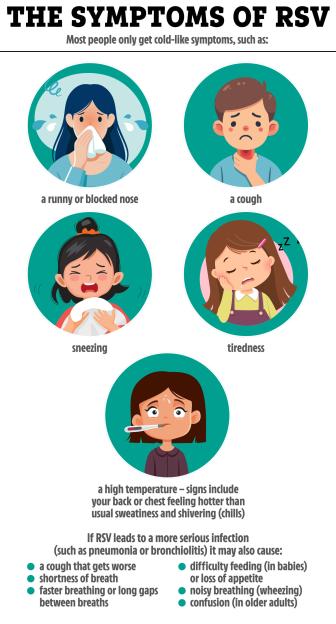
RSV is respiratory virus that usually causes mild, cold and cough-like symptoms, normally in .
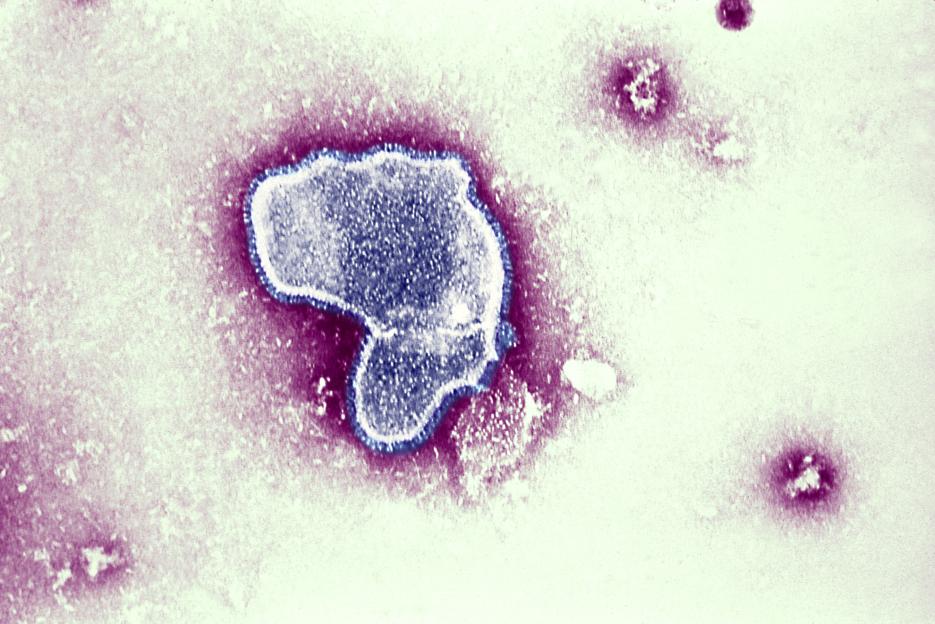 RSV usually causes mild cough and cold-like symptoms Credit: Getty
Now, researchers at the Francis Crick Institute in London and Imperial College London have found that RSV may help to stop cells from taking hold in the lungs.
In the study published in the journal PNAS , scientists who carried out tests on mice, discovered that those who fought off an RSV infection developed fewer cancerous tumours in the lungs.
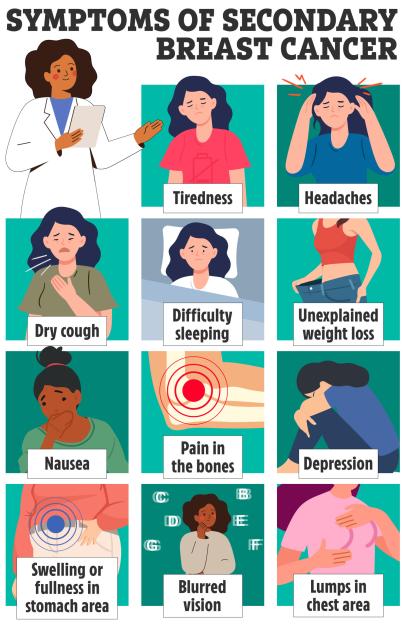
The lungs are one of the most common areas for breast cancer to spread.
When breast cancer spreads to other parts of the body it is known medically as secondary breast cancer.
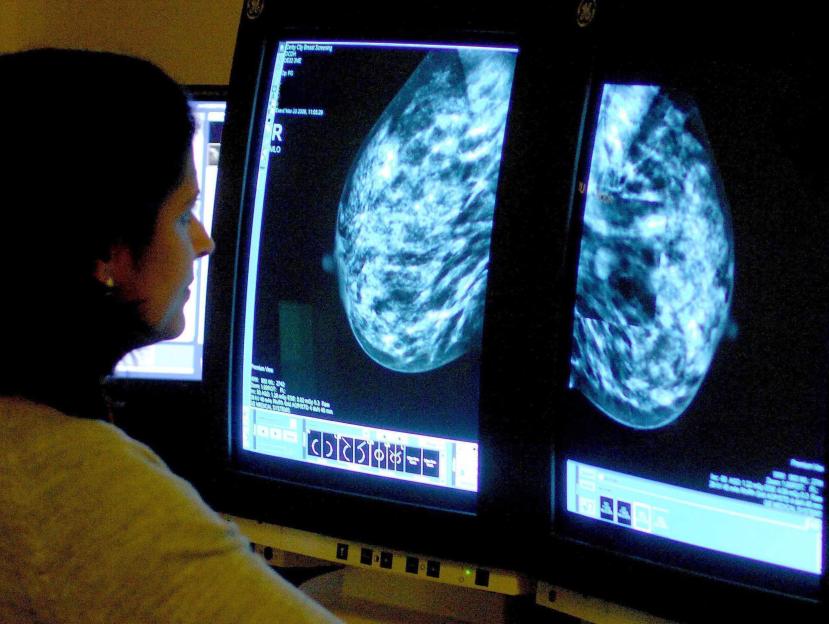 One in seven women in the UK are diagnosed with breast cancer in their lifetime Credit: PA
The scientists believe RSV infections may have this effect because when lung cells detect viruses like RSV, they produce immune cells to stop the virus from taking hold.
This then makes it more difficult for cancer cells to take hold in the lung and make new tumours.
Dr Ilaria Malanchi, a cancer biologist at the Francis Crick Institute and study co-author, said: “To mimic the spread of cancer into the lungs, we introduced breast cancer cells into mice that had recently experienced RSV infection.
“Fascinatingly, they developed fewer lung tumours than mice that hadn’t previously experienced RSV infection.”
She added: “RSV infection also increased the amount of a protein called Galectin-9, responsible for both enhancing the immune response to the virus, but also stopping cancer cells from taking hold.”
Dr Ana Farias, a research associate at Imperial College London and study co-author, added: “Mice that had recently experienced a respiratory virus infection had fewer, although not smaller, tumours.
“So it wasn’t the growth, it was the entry into the lungs that had changed.”
Previous research indicates that around 60 per cent of stage four breast cancer patients – the most advanced stage – get the tumour in their lungs,.
Currently, the five-year survival rate stands at around just 30 per cent.
The researchers claimed that the findings could pave the way for new treatments to prevent the spread of the disease.
However, they added that it does not mean RSV infections will be used as a treatment.
Professor Cecilia Johansson, from ICL’s National Heart and Lung Institute, said: ‘If we can find a way of making lungs more resistant to successful seeding of metastatic cancer cells, that’s encouraging.
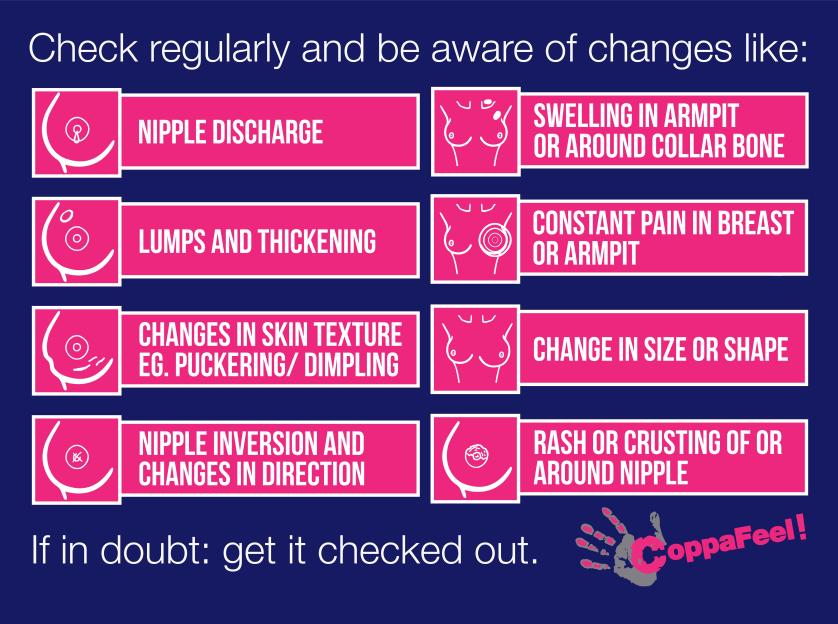
How to check your breasts
IT is important to regularly check your breasts for any changes.
Breast tissue reaches all the way up to your collarbone and across to your armpit, so it’s vital to check these areas too.
If you feel or see any changes in your breast, you should always consult your GP.
Charity! recommends checking your breasts monthly, so you can pick up on any changes quickly.
Breasts do change naturally as part of your monthly menstrual cycle, so you should get to know your breasts, how they feel and what changes they usually go through to know if anything is out of the ordinary.
Five-step check
There is a five-step self exam you can do at home to check for any changes.
Step one: Begin by looking in a mirror, facing it with your arms on your hips and your shoulders straight. You should be looking for any dimpling, puckering, bulging skin, redness, soreness, a rash or changes to the nipple.
Step two: Still looking in the mirror, raise both arms above your head and check for the same changes.
Step three: With your arms still above your head, check for any fluid coming from the nipples. This can include milky, yellow or watery fluid, or blood.
Step four: While lying down, use your opposite hand to check each breast. Using a few fingers, keeping them flat and together, go in a small circular motion around your breasts. Make sure you feel the entire breast by going top to bottom in these small circles. It helps to develop a system or pattern to make sure every inch is covered. Use light pressure for the skin and tissue just beneath, medium pressure for the tissue in the middle of your breasts, and firm pressure to feel the tissue at the back, feeling down to your ribcage.
Step five: Feel your breasts while either standing or sitting, using the same small circular motions.
“We hope a drug could be developed to mimic the effects we have observed.
“Studies in humans will now be important to confirm whether this effect is seen in people and how we could exploit this knowledge.”
RSV is very common but can be fatal, especially in young children.
The bug is responsible for hospitalising around 30,000 children and 18,000 adults in the UK every year, due to serious breathing complications like pneumonia and lung infections.
It said that the virus is a leading cause of death among babies. Around 20 to 30 children die from the virus each winter.
It’s also estimated to contribute to the deaths of 8,000 adults over the same period, due to the increased strain the infection puts on patient’s , causing the organ to .
One in seven women in the UK are diagnosed with breast cancer in their lifetime — around 56,000 a year — making it the most common cancer in the UK.