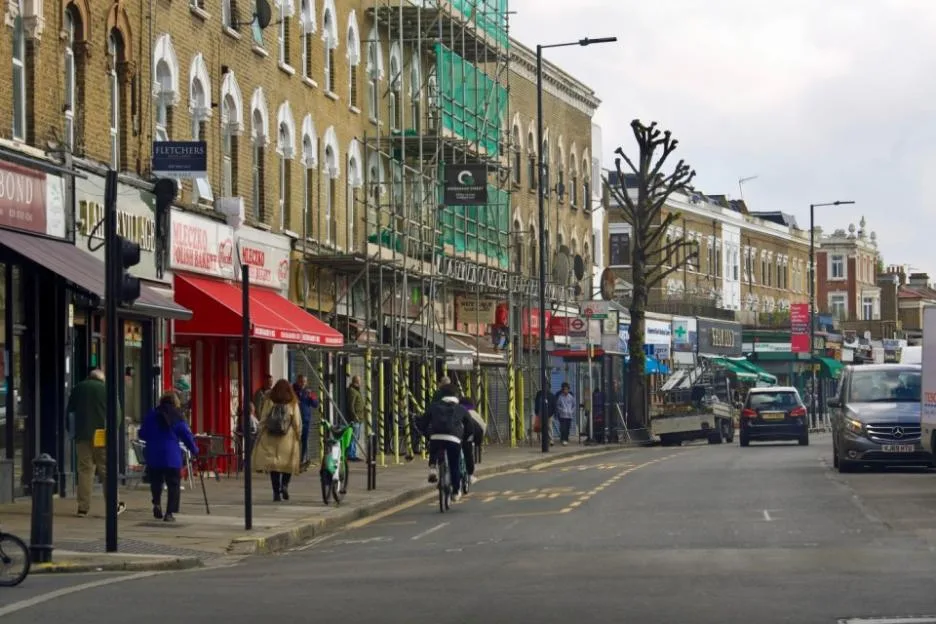
COMMUTERS in London could be facing a series of serious disruptions this spring as Tube drivers are set for six days of strike action.
The Rail, Maritime and Transport (RMT) union confirmed members are planning to walk out on .
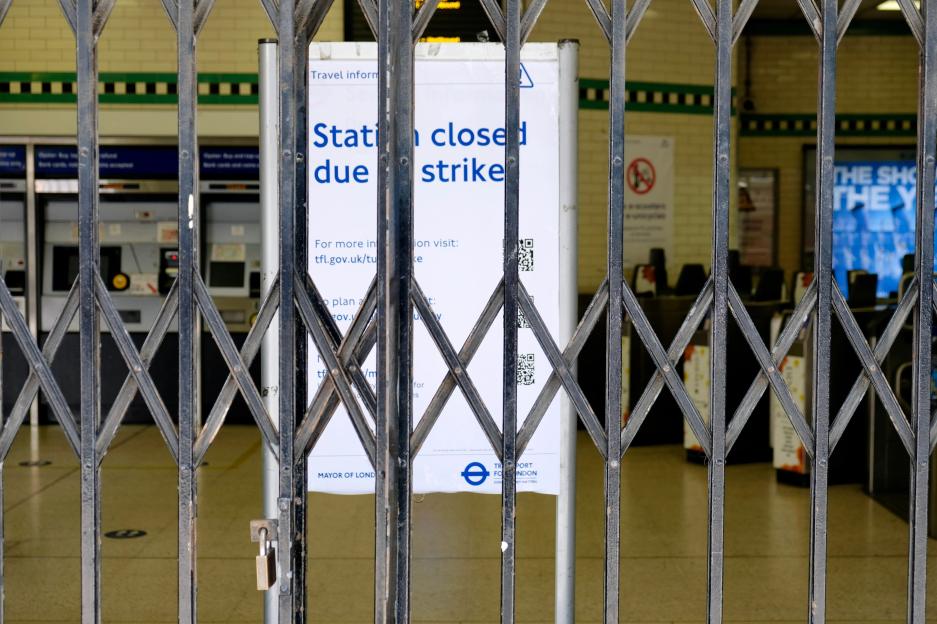 London Underground drivers are planning strike action in the springCredit: Getty
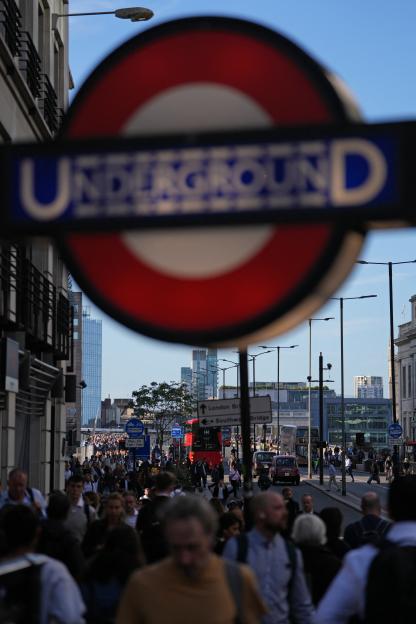 Commuters crossing London Bridge early in the morning after Tube services were suspended on September 8, 2025,Credit: AFP
When are the London Underground strikes?
The first walkout threatens to cause considerable disruption for over 30,000 supporters attending the quarter-final between and at Emirates Stadium on March 24.
If the action goes ahead in full, it is likely to have a serious effect on the capital’s public transport, as RMT represents around half of London’s drivers.
The strikes are scheduled to take place on the following dates:
- 24–25 March (12pm Tuesday to 11.59am Wednesday)
- 26–27 March (12pm Thursday to 11.59am Friday)
- 21–22 April (12pm Tuesday to 11.59am Wednesday)
- 23–24 April (12pm Thursday to 11.59am Friday)
- 19–20 May (12:00pm Tuesday to 11.59am Wednesday)
- 21–22 May (12:00pm Thursday to 11.59am Friday)
Exactly which Tube lines will be affected by the action is yet to be announced.
The and are not expected to be directly impacted, though both will be busier than usual if the strikes go ahead.
When the Tube is down, bus and services generally offer alternative routes across the city.
E-bike hire schemes proved particularly popular during the strikes in September 2025.
Why are the strikes taking place?
The strikes are being organised over the introduction of a compressed four-day working week for Tube drivers, according to RMT .
Underground drivers are currently contracted to work a 35-hour week over five days.
However, most work around 38.5 hours when unpaid meal breaks and additional time are taken into consideration.
This is the equivalent to a daily shift of seven hours and 42 minutes.
Under the proposed four-day week, shifts would increase to eight hours and 30 minutes a day, but with breaks paid for the first time.
Drivers who prefer to remain on a five-day week would also be free to do so.
Union representatives have attempted to resolve the situation over several months, but London Underground has refused to negotiate, pushing ahead with the plans.
As part of the action, RMT members have been instructed not to use any company-issued electronic devices, such as iPads, from March 21 until further notice.
RMT confirmed around 1,800 of its members were involved in the dispute.
The Associated Society of Locomotive Engineers and Firemen (Aslef) backs (TfL) proposals.
It says the scheme is the “biggest improvement in working conditions for Underground train drivers in decades”.
Aslef’s London regional organiser Finn Brennan said: “It is “the first time in the history of the trade union movement that a strike has been called to oppose a shorter working week, with fewer hours at work.”
But general secretary Eddie Dempsey disagreed, saying: “London Underground is trying to force through major changes to working patterns that have already been rejected by our members.
“We are clear that these proposals raise serious concerns around fatigue, safety and work-life balance.
“Despite our best efforts over many months, no satisfactory outcome has been reached so we have no choice but to call strike dates.”
While there is still time for the dispute to be resolved, it might be a good idea for commuters in to start making alternative plans for the affected dates.