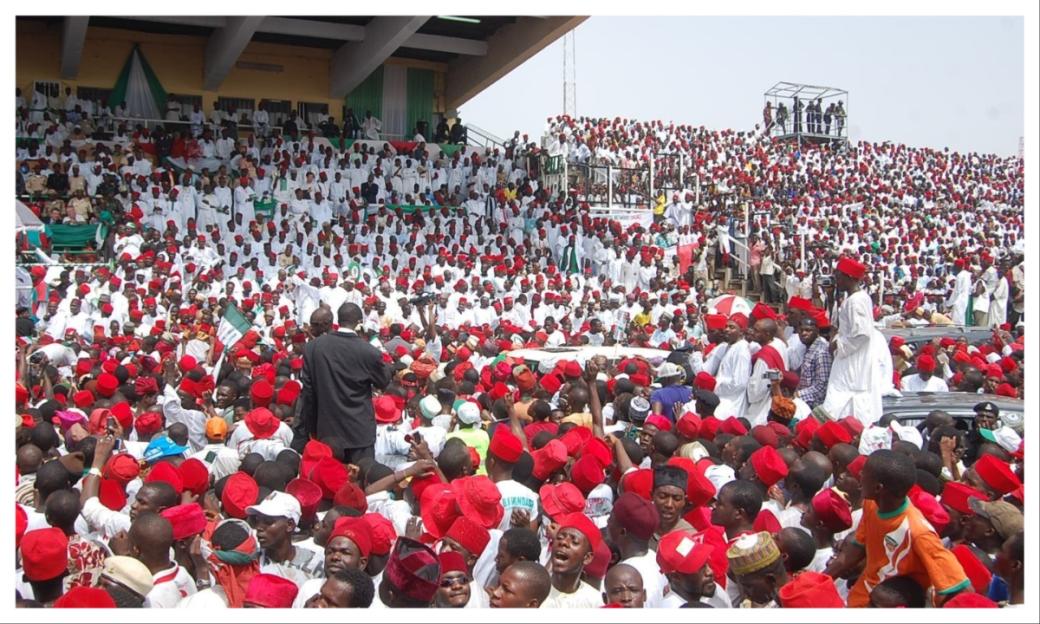
The Kwankwasiyya Movement has raised concerns over Nigeria’s growing debt, accusing the Federal Government of borrowing recklessly and the National Assembly of failing to properly check its actions.
In a statement issued on April 1, the group’s spokesperson, Dr Habibu Sale Mohammed, said the continued approval of loans without proper scrutiny could harm the country’s economic future.
“It is deeply concerning that Nigeria is being plunged into further debt without transparent justification, broad consultation, or a clear framework for equitable utilisation,” Mohammed said.
He noted that the pattern of borrowing, especially after recent debt deals, raises serious concerns about fiscal discipline and long-term sustainability.
“This trend raises serious concerns about accountability and the future of our economy. Borrowing without clarity or restraint risks mortgaging the future of generations yet unborn,” he added.
The group also expressed concern about how the borrowed funds are being shared and used across the country.
According to Mohammed, there is a growing perception that resources are not being distributed fairly.
“Even more troubling is the perception that these resources are being skewed in favour of a particular part of the country. Such imbalance undermines national unity and deepens inequality in an already fragile federation,” he said.
Kwankwasiyya further criticised the National Assembly, accusing lawmakers of not acting independently in their oversight role.
Mohammed said the legislature appears to be aligning too closely with the executive arm of government.
“The legislature is expected to safeguard the interests of Nigerians, but what we are witnessing is a pattern of uncritical approvals with little debate, resistance, or accountability,” he stated.
He warned that weak opposition within the legislature could affect democratic governance by concentrating too much power in the executive.
“When critical decisions such as massive borrowing requests are passed without rigorous scrutiny, it undermines the very essence of representative democracy,” Mohammed said.
The movement warned that weakening institutional checks and balances could have serious consequences for Nigeria’s unity and stability.
“Nigeria is built on fairness, justice, and shared prosperity. Any policy that tilts resources disproportionately or weakens democratic institutions threatens these foundations,” he said.
Kwankwasiyya called on civil society groups, opposition parties, and citizens to demand accountability and transparency from the government.
“We urge all well-meaning Nigerians to rise to their constitutional responsibility of holding government accountable and resisting any attempt to weaken democratic institutions,” Mohammed said.
He also urged the Federal Government to review its fiscal policies.
“The government must immediately halt indiscriminate borrowing, ensure fair distribution of resources, and restore the independence and integrity of our democratic institutions,” he added.
Mohammed warned that the country’s future depends on strong democratic values.