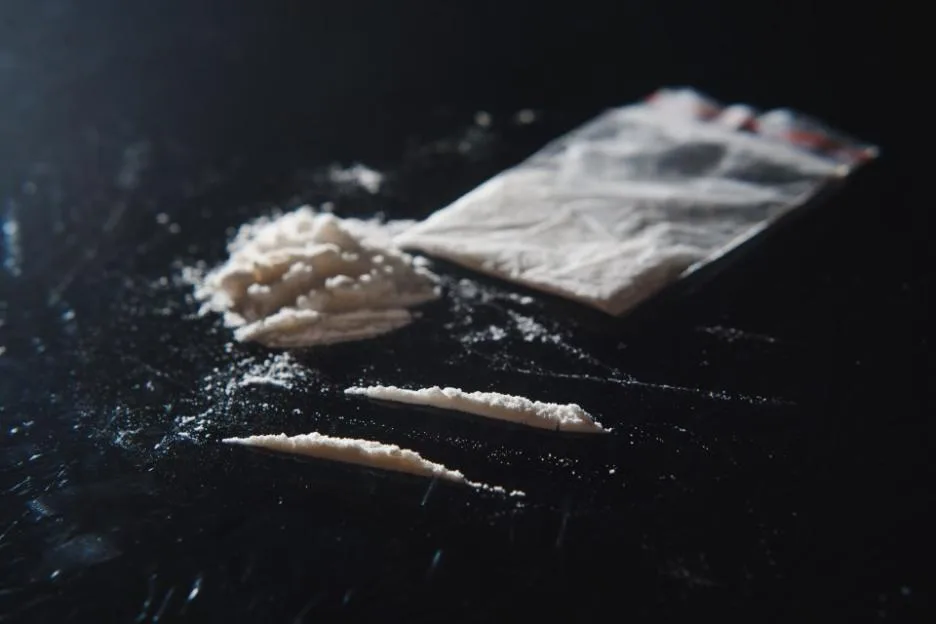
CHILDREN are wetting the bed or keeping buckets nearby after becoming hooked on ketamine, specialist doctors have revealed.
Medics at Alder Hey Children’s Hospital have opened the UK’s first clinic for young users after a surge in linked to the party drug, with some patients as young as 12.
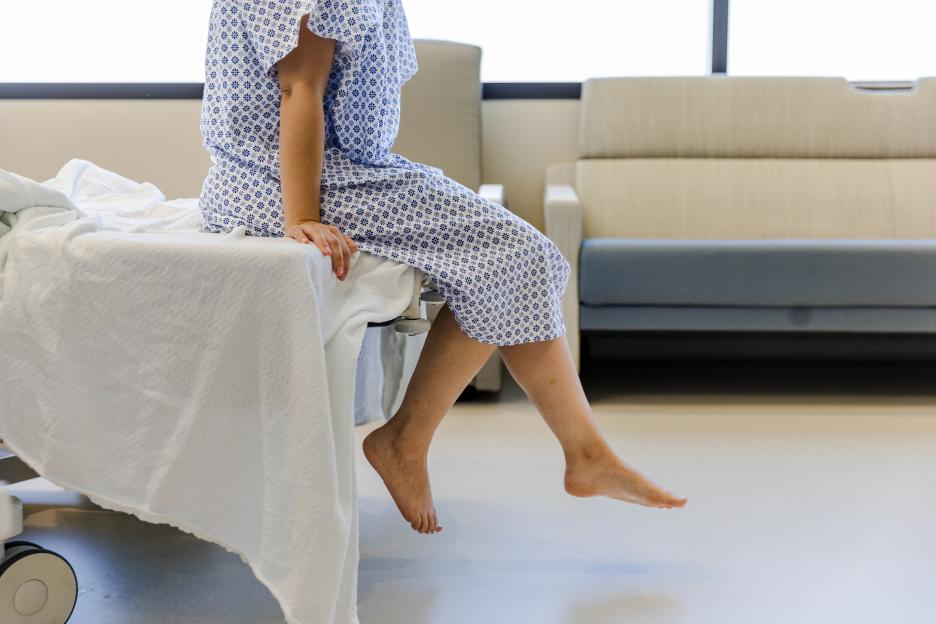 Children as young as 12 are being treated for ketamine addictionCredit: Getty
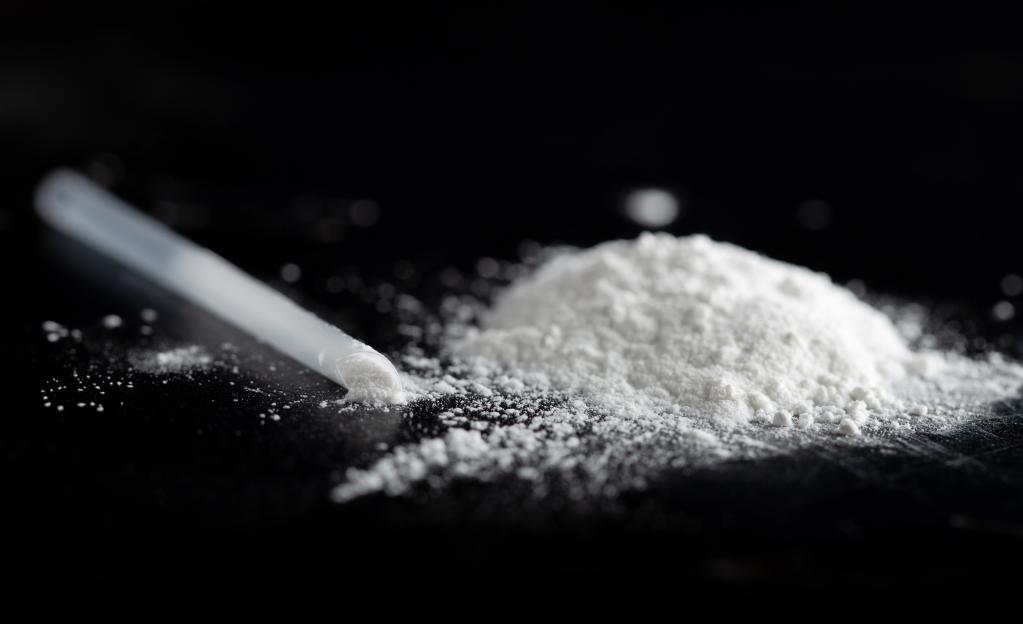 The drug has surged in popularity among young people over the last few yearsCredit: Getty
It comes as NHS figures show , widely known as a powerful horse tranquilliser, has become increasingly popular among teenagers, with use doubling over the past decade.
It has also been linked to over the past few years, including those of Sophie Russell and Rian Rogers.
Doctors at the Liverpool clinic said most of their patients were 14 to 15, with many claiming they had been using the drug for one or two years, suggesting some are taking up the drug at 12.
When overused, ketamine, also called ‘ket’, ‘k’ or ‘special K’ can trigger serious and sometimes permanent damage to the bladder by eating away at the lining and muscle.
This can cause the bladder to shrink and become inflamed, leaving users needing the toilet constantly.
“Some of our patients start wetting the bed or find going to the bathroom at night is actually too hard, so they’ll either choose incontinence products or a bucket by the bed,” said Harriet Corbett, a consultant paediatric urologist at the clinic tells The Guardian .
“I hate to say it, but a lot of them get to the point where they’re not fussed about where they go, because the need to go overrides their desire to find somewhere private.”
In the worst cases, excessive ketamine use can lead to kidney failure or the bladder having to be surgically removed.
Ketamine misuse can also be fatal, particularly at high doses or when mixed with other substances.
Use has exploded
In September, a study by King’s College London estimated 123 people died from taking the drug in 2024, compared to just six people in 2014.
There were 696 deaths recorded by coroners during the 25 years between 1999 and 2024, with nearly a fifth of them in the most recent year alone.
The drug came into the spotlight following the death of Friends actor aged 54, after which a coroner found ketamine had been the primary cause.
Experts warn ketamine use has exploded in recent years.
An anonymised 2023 survey of more than 13,000 secondary schoolchildren found 0.9 per cent of 15-year-olds admitted taking the class B drug, up from 0.4 per cent in 2013, while one in 10 said they had been offered it.
And in England, the number of under-18s entering drug treatment who describe ketamine as one of their problem substances rose from 335 to 917 between 2020-21 and 2023-24, according to the National Drug Treatment Monitoring System.
The reasons behind the surge in ketamine use among young people in the UK are unclear.
Ketamine was once known as a party drug, associated with the club scene.
The drug can make users feel as if they are dreaming or detached from reality.
But it can also leave them confused, nauseated and hallucinating – sometimes referred to as a “K-hole”.
But there’s evidence to suggest the way people are using the drug has changed.
In a 2024 report into drug trends in Greater Manchester, school-aged children recounted how they used it with friends to “chill” in parks or at home.
GETTING HELP:
If you think that you have a drug addiction then please contact your GP.
You can also visit FRANK for honest information about drugs and to find local treatment services.
If you are having trouble finding the right help, call the FRANK drugs helpline on 03001236600
Or click here to visit the NHS website for more advice and support
Prof Rachel Isba, a consultant in paediatric public health medicine who runs the clinic alongside Harriet said young people might take the drug socially but become addicted and start doing it at home in their bedroom.
Their patients may have experienced childhood trauma, and many also have some form of neurodivergence, particularly .
“What we hear from the kids is: ket is great, it’s a break from your busy brain or just a bit of a rest,” said Prof Rachel, said.
“They want to belong. So they feel if they don’t participate, they won’t be able to.
“We’ve heard stories of young people who’ve changed the entire way they go about their day in order to avoid being exposed to other people’s ketamine use.”
Another emerging issue is that many children are starting to use ketamine to ease the pain caused by their bladder problems.
“So they get into a very nasty downward spiral,” Prof Rachel added.
The clinic combines Harriet’s expertise in dealing with bladder problems in children with Prof Rachel’s knowledge of tackling addiction and referring young people to rehabilitation services.
THE TOLL 'K' TAKES ON YOUR BODY
KETAMINE can lead to death by putting pressure on the heart and respiratory system.
But its other effects on the body, which are often irreversible, are horrifying, too.
“Ketamine bladder syndrome is one of the worst symptoms,” Dr Catherine Carney, an addiction specialist at Delamere , .
This is where the breakdown of ketamine in the body causes inflammation in the bladder wall.
It leaves people unable to hold urine and passing chunks of their bladder tissue.
Some users face the prospect of having their bladders removed entirely.
Dr Carney explains: “The lining of the bladder can shrink over time and be extremely painful for those experiencing it.
“This can often lead to lower abdominal pain and pain when passing urine, as well as bleeding.
“It’s usually what has forced people to get help because they can’t tolerate it any more.
“We’ve had young men in agony, wetting the bed.
“Their whole life is focused on where there’s a toilet because they can only hold urine for ten minutes.
“For a teenager or someone in their early 20s, that’s absolutely life-changing.
“In some cases, the bladder damage progresses to the kidneys and people get kidney failure, too.
“This is developing in people who have been using for two years, so it is relatively quick.”
Dr Carney adds that the urine samples of new guests checking into the clinic are often just a “pot of blood”.
This is followed by weeks of agony coming off the drug. An irony of ketamine use is people tend to take more and more to numb the pain of the side-effects it causes.
Dr Carney says: “There’s nothing that we can give which is as strong as a medical anaesthetic (the ketamine). We can use codeine-based products or anti-inflammatories.
“Some antidepressants help at night, but the pain is hard to manage in the early days.
“Most people that come to us, the bladder will improve to the point that they don’t need to have it removed.
“But once you’ve got a bladder that has shrunk to the size of 70ml, that’s never getting better.”