THE oil and gas crisis caused by the US-Israel war on Iran is worse than all previous shocks over the past 50 years combined, the global energy watchdog has warned.
The closure of the has led to the biggest supply disruption the world has ever experienced, according to the boss of the International Energy Agency.
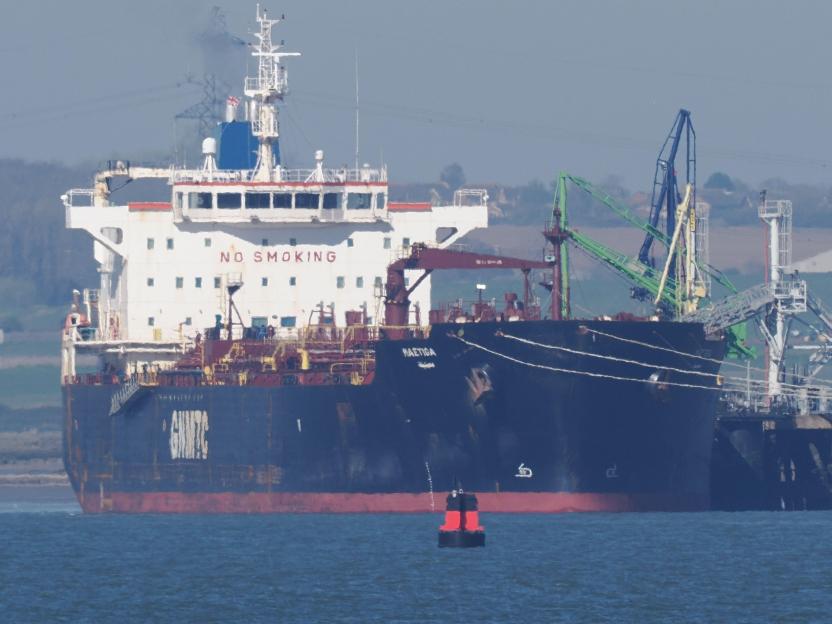 The final tanker of jet fuel from the Gulf arrives in the UKCredit: Alamy
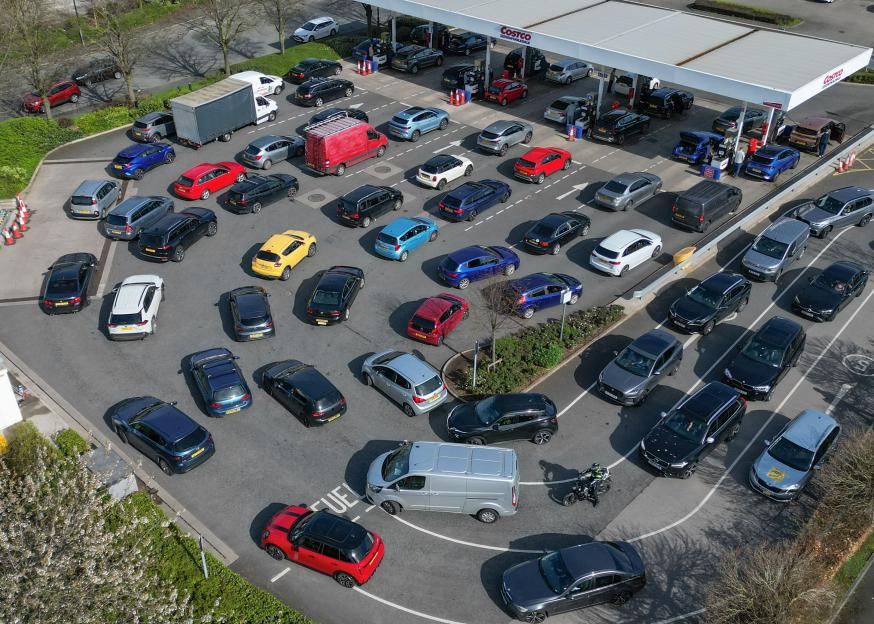 A huge queue at a Costco petrol station in ManchesterCredit: LNP
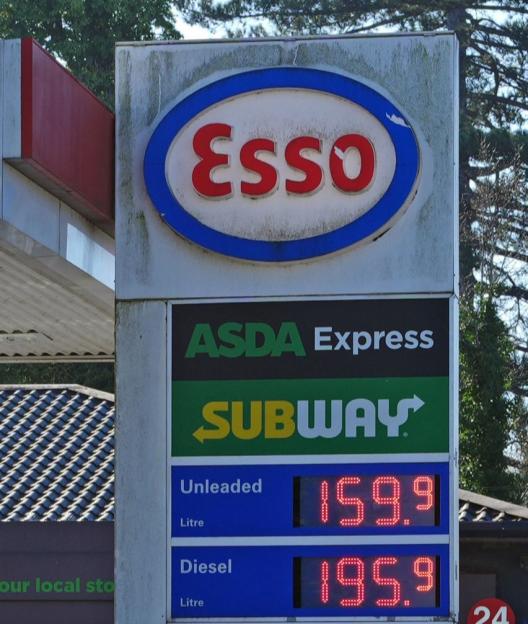 Fuel prices have soared, with serious consequences for householdsCredit: PA
Fatih Birol revealed in a damning assessment that the current crisis is “more serious than the ones in 1973, 1979 and 2022 together”.
He said: “The world has never experienced a disruption to energy supply of such magnitude.”
The energy boss revealed European nations will suffer from rising oil and gas prices , but not as much as developing countries who will also be impacted by higher food costs and soaring .
He will meet with fellow finance chiefs from the World Bank and International Monetary Fund in DC on Monday as the crisis “calls for all hands on deck” and international co-operation.
A fifth of global oil and gas traffic passed through the vital sea route in the Gulf region until it was cut off — , with serious consequences for households.
It means that average prices for for UK motorists have hit nearly 190p a litre with petrol at 157p a litre, the said.
At some forecourts prices were a lot higher.
The 1973 shock saw Arab members of oil alliance Opec stop exports to Western countries supporting in the Yom Kippur War.
In 1979, oil prices doubled after the Iranian Revolution, which disrupted the country’s exports and led to global panic buying.
There was also a crisis at the end of the Covid and as the war started in 2022, when a surge in demand combined with slashing Russian imports.
The cost of oil went back above $110 (£83) a barrel yesterday, amid fears the war will escalate. It has doubled since bombing began at the end of February, when effectively blocked the Strait of Hormuz.
AIRPORTS RUN SHORT OF FUEL
By
AIRPORTS in Italy are running short of aviation fuel and several have now introduced fuelling restrictions.
Italy’s Brindisi Airport said on Monday it had run out and told airlines they would need to refuel elsewhere.
Other Italian airports, including Bologna, Milan Linate, Treviso and Venice, have also introduced limits.
An aviation notice issued on Saturday said: “Due to limited fuel availability from Air BP Italia, refuelling services for operators contractually linked to the company may be subject to restrictions.”
The news comes as the last tanker of jet fuel to leave the Middle East docked in Kent yesterday.
Industry sources said British airports still have steady supplies in the short term and there is no immediate threat to flights.
But insiders warned that position may change if disruption drags on, and airports are reviewing their contingency plans.
The Department for Energy Security and Net Zero said: “Shipments are continuing to arrive.
“The UK imports jet fuel from India, the US and the Netherlands, as well as smaller amounts from a range of other countries.”
mouthpiece Dmitry Peskov said the crisis has seen the world lining up for Russian energy, in a huge blow to , despite Europe trying to end its reliance on Moscow’s supplies.
He said: “There are a huge number of requests for the purchase of our energy.
“We are negotiating in such a way that this situation best suits our interests.”
Kristalina Georgieva, boss of the International Monetary Fund, said: “All roads lead to higher prices and slower growth.”
The Paris-based Organisation for Economic Co-Operation and Development says the UK will be hit hardest out of the G20 major economies.
It downgraded Britain’s growth to 0.7 per cent for this year and said inflation would be higher than expected.
Figures released yesterday reveal growth in the UK’s services sector slowed as firms reported a drop in overseas sales and customers delaying investment decisions.
The S&P Global UK Services PMI survey showed a reading of 50.5 in March, down from 53.9 in February, the lowest score for 11 months.
The figure must stay above 50 to show growth. Tim Moore, of S&P Global Market Intelligence, said it represented a “marked slowdown”.
Official figures showed the unexpectedly flatlined in January before the war.
Analyst Clive Black, of Shore Capital, said: “An economically naive, ignorant and at times stupid UK Government will soon be blaming international affairs for a potential that exposes its poor policymaking.”
The and FTSE 250 closed down yesterday ahead of US President Donald to
Britain hosted military planners from across the world yesterday to discuss measures to secure the route once the conflict is over.
1973: OPEC EMBARGO
 There was an almost quadrupling of global prices in 1973Credit: Getty
ARAB members of OPEC (the oil-producing cartel) stopped shipping oil to Western nations that supported Israel in the Yom Kippur War.
It caused a sudden massive shortage and an almost quadrupling of global prices.
Crude oil: Rose from $3 to $12 per barrel.
Petrol: Up from 7p to 11-15p per litre.
Energy bills: Average domestic electricity prices up by 86 per cent, industrial prices by 48 per cent, leading to a three-day working week.
Inflation: 9.2 per cent (climbing to 24 per cent by 1975).
Interest rates: 13 per cent.
Unemployment rate: 3.7 per cent peak.
1979: IRAN REVOLUTION
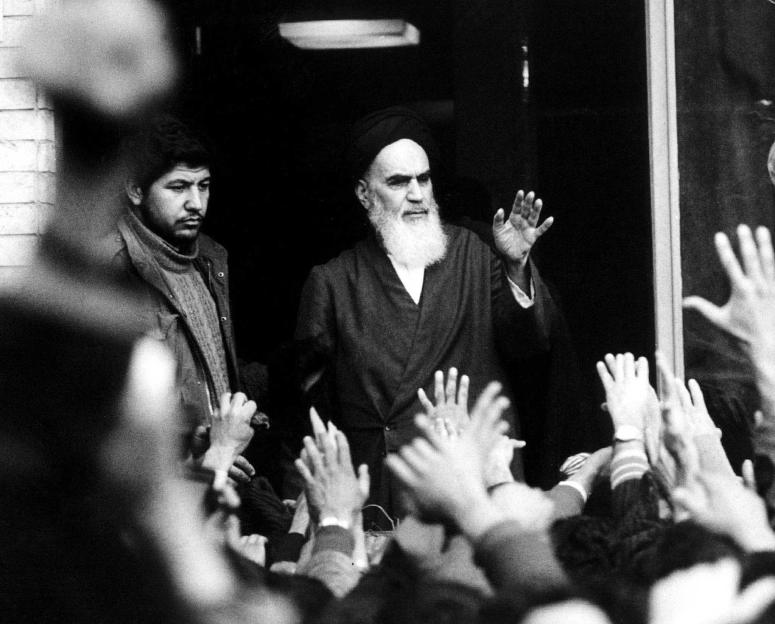 The overthrow of the Imperial State of Iran in 1979 caused a wave of panic buyingCredit: IRNA
THE overthrow of the Imperial State of Iran by the Islamic Republic of Iran disrupted oil exports and caused a wave of panic buying, dragging the UK into a deep recession.
Crude oil: A massive 167 per cent increase, from roughly $15 to $40 per barrel.
Petrol: Up from 16.5p to 29p a litre.
Energy bills: Average domestic electricity prices up 80 per cent, and industrial prices by up to 100 per cent.
Inflation: 13.4 per cent (peaking at 18 per cent in 1980). Interest rates: 17 per cent peak.
Unemployment: 5.4 per cent (rising to more than ten per cent by 1982).
2022: COVID & UKRAINE
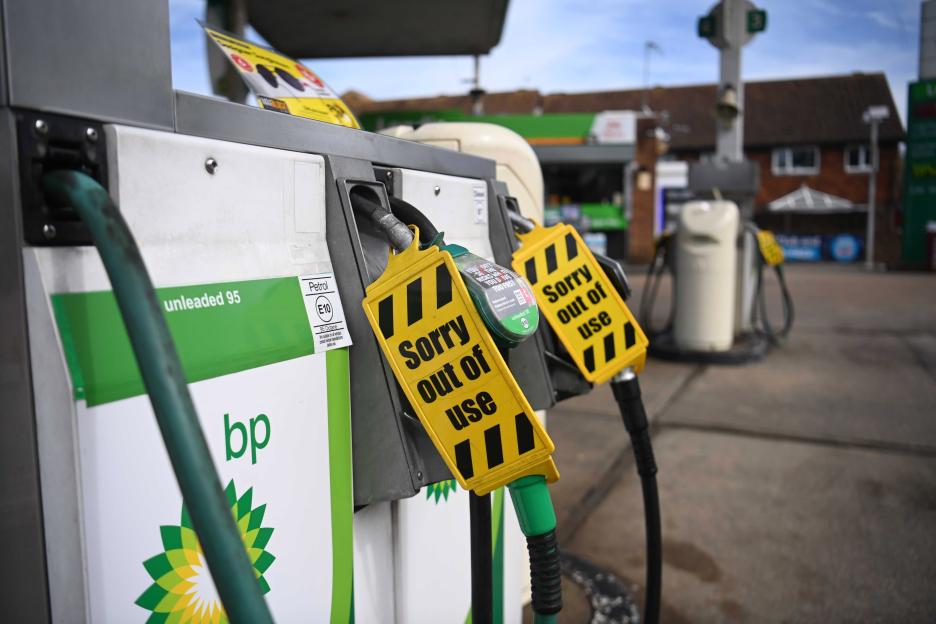 Energy prices hit record highs in 2022 after the invasion of Ukraine by Russia and the end of Covid lockdownsCredit: EPA
OIL demand surged as the world reopened after Covid lockdowns, followed by the invasion of Ukraine by Russia, a major supplier of gas to Europe.
Energy prices hit record highs, leading to a cost-of-living crisis.
Crude oil: up 85 per cent from $75 per barrel to $139.
Petrol: up 47 per cent from 130p a litre to 191p (diesel up 49 per cent, from 133p to 199p).
Energy bills: soared a huge 235 per cent from £1,277 to £4,279, though capped at £2,500.
Inflation: 11.1 per cent peak. Interest rates: rose from 0.25 per cent to 3.5 per cent.
Unemployment: 3.8 per cent.
2026: U.S. V IRAN WAR
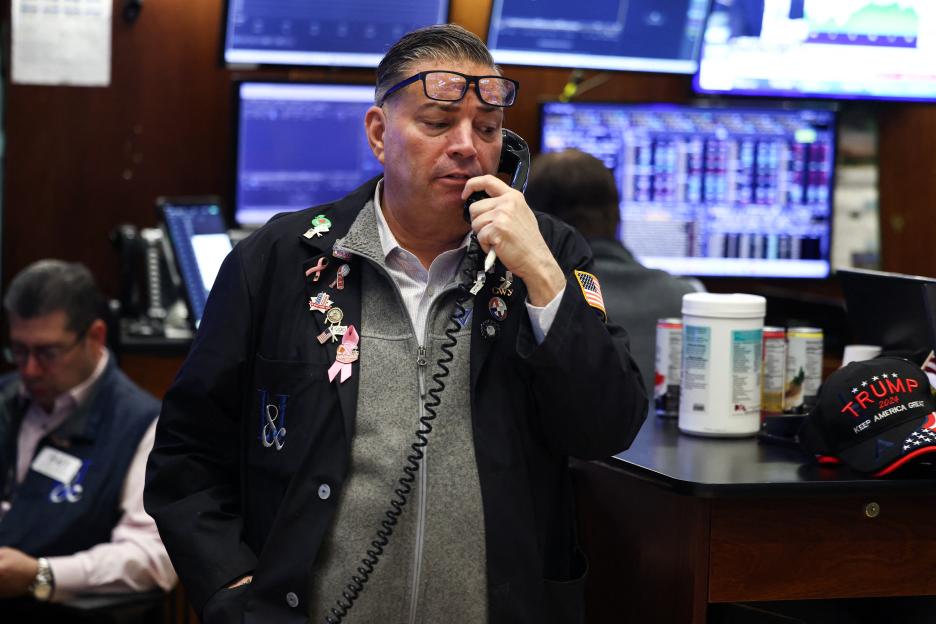 The UK now faces a sharp rise in costs just as the economy was showing signs of steady growthCredit: AFP via Getty Images
US-Israeli military strikes against Iran led to the closure of the Strait of Hormuz — the world’s most critical chokepoint for energy.
With 20 per cent of global oil supplies blocked, the UK faces a sharp rise in costs just as the economy was showing signs of steady growth.
Crude oil: Up 54 per cent from $72 a barrel to $111.
Petrol: An 18 per cent rise from 133p to 157p a litre (diesel up 47 per cent from 142p to 189p).
Energy bills: Set to soar from £1,641 to £1,929.
Inflation: Set to hit four per cent. Interest rates: 4.25 per cent forecast.
Unemployment: 5.2 per cent.