THE US and Iran have agreed to halt fresh strikes after three days of renewed bloodshed pushed their fragile peace deal to the brink of collapse.
The US official told Axios the bitter rivals will now meet in on Tuesday to try resolve their .
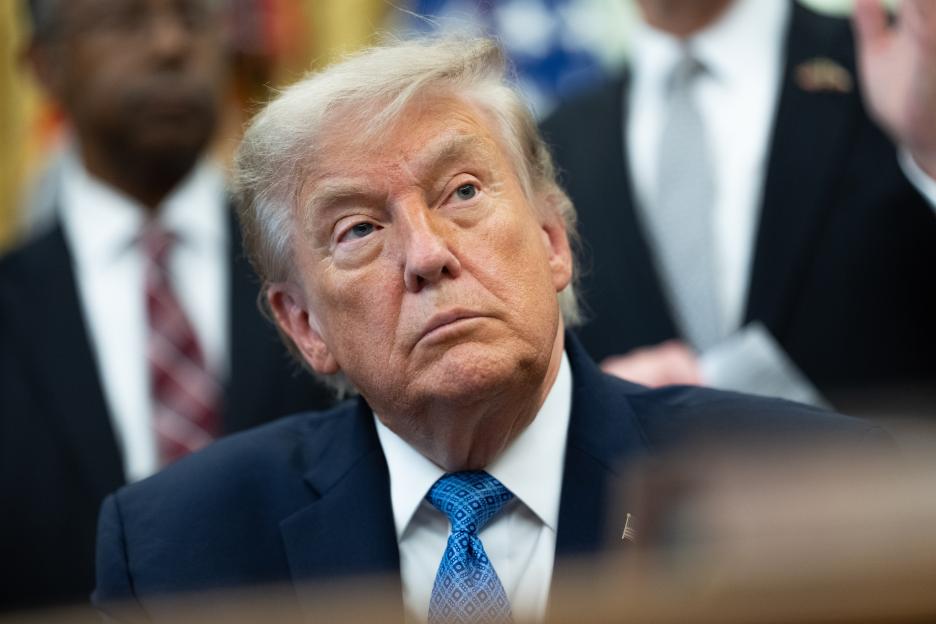 The US and Iran have agreed to halt fresh strikes after three days of renewed bloodshed Credit: Cover Images
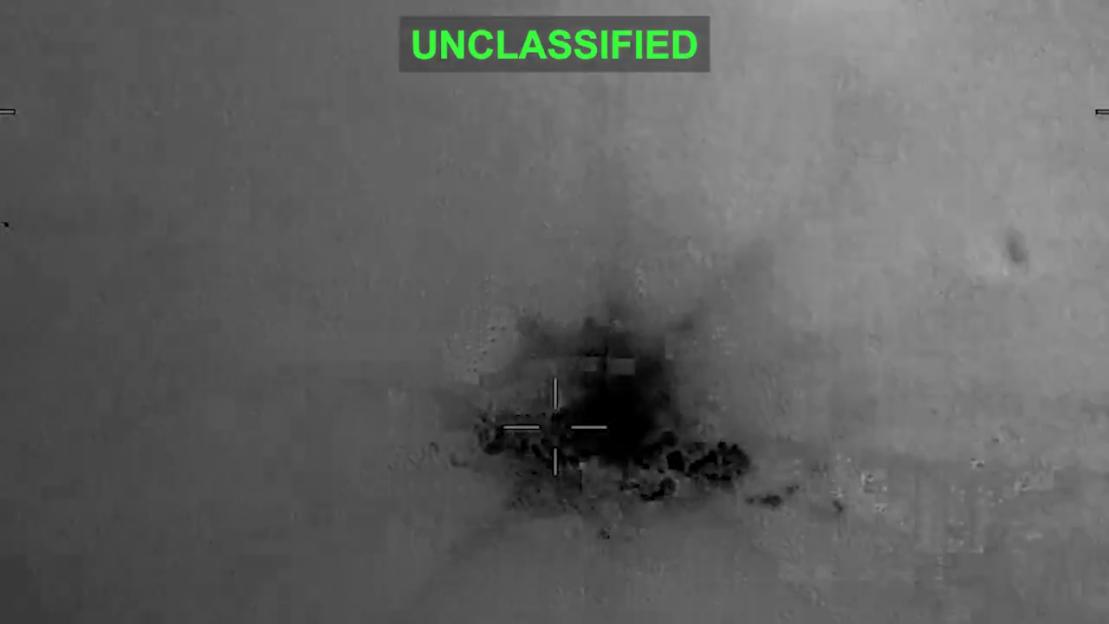 Trump bombs Iran after attack drone hits cargo ship in Strait of Hormuz Credit: X/@CENTCOM
The crunch talks come just 11 days after and Tehran signed an interim ceasefire agreement that is now hanging by a thread.
Before the breakthrough, unleashed ballistic missiles at bases in and Bahrain on Sunday.
The regime also warned that no ships should pass through the Strait of Hormuz without permission.
Tehran targeted the Ali al-Salem Air Base in Kuwait and the headquarters of the US Fifth Fleet in Bahrain.
Bahrain blasted the attacks, condemning “continued attacks, at a time when regional and international efforts are moving toward de-escalation”.
A top-floor flat in an apartment block in Muharraq was reduced to rubble during one strike, although officials say nobody was injured.
Sunday’s missile blitz marked the third straight day of renewed fighting between the US and Iran.
The latest violence threatens to shatter the ceasefire agreement signed on June 17.
Planned talks between Washington and Tehran in have also stalled because of the latest attacks, according to The Wall Street Journal.
At the heart of the crisis is the Strait of Hormuz, the vital shipping lane carrying around a fifth of the world’s .
Iran has demanded control over ships travelling through the strategic waterway, insisting vessels pass through a corridor close to its coastline.
But dozens of ships have instead continued sailing along the opposite side of the strait near the coast of Oman.
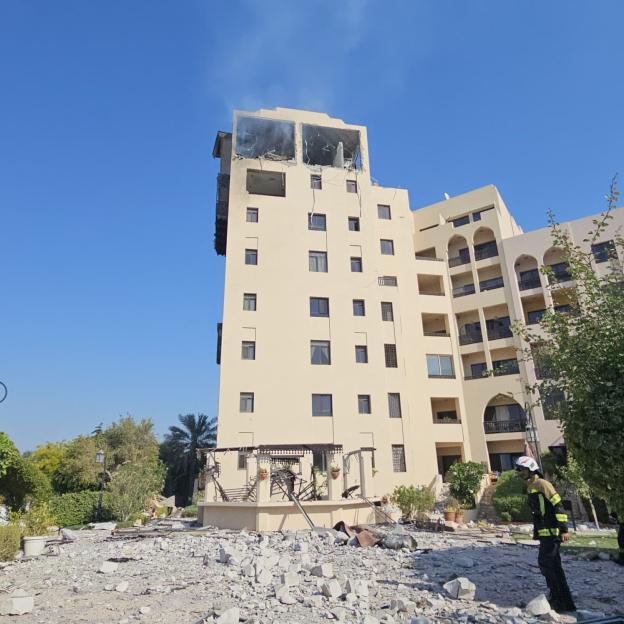 A top-floor flat in an apartment block in Muharraq was reduced to rubble during one strike Credit: Reuters
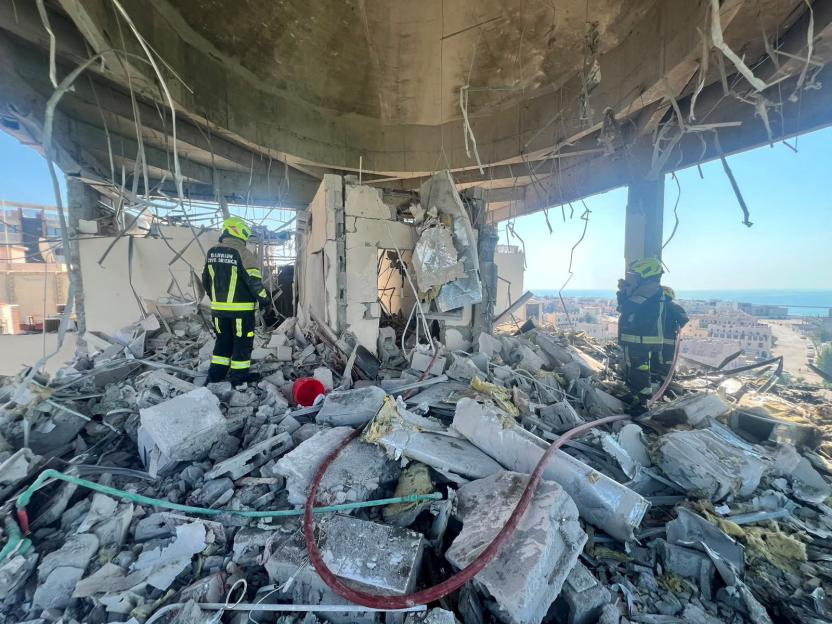 Officials say nobody was injured Credit: Reuters
Iran’s top diplomat warned that any attempt to ignore Tehran’s preferred route would “increase tensions” across the Middle East.
The dispute has raised fears the months-long conflict could drag on even longer.
Iran’s feared Islamic Revolutionary Guard Corps also declared it was taking control of shipping in the waterway.
The powerful force warned vessels breaking its rules would face action “more forcefully” than before.
Mohammad Mokhber, an adviser to Iran’s supreme leader, claimed on X that as long as Tehran controlled the strait, Washington’s “hegemonic dreams in the region will not be realised”.
The Telegraph revealed on Friday that Oman has proposed a compromise to help break the deadlock.
Muscat wants to introduce a voluntary fee for energy-importing countries and shipping firms using the Strait of Hormuz.
The proposal aims to bridge the divide between the US, which opposes tolls, and Iran, which wants full control of the waterway.
It could also also unlock a multi-billion-dollar revenue stream for Oman and Iran.
The latest flare-up came as the conflict reached its four-month milestone on Sunday.
Thousands have been killed since the US and Israel launched coordinated strikes on Iran on February 28.
Tehran claimed Sunday’s attacks were retaliation for fresh US strikes on Saturday.
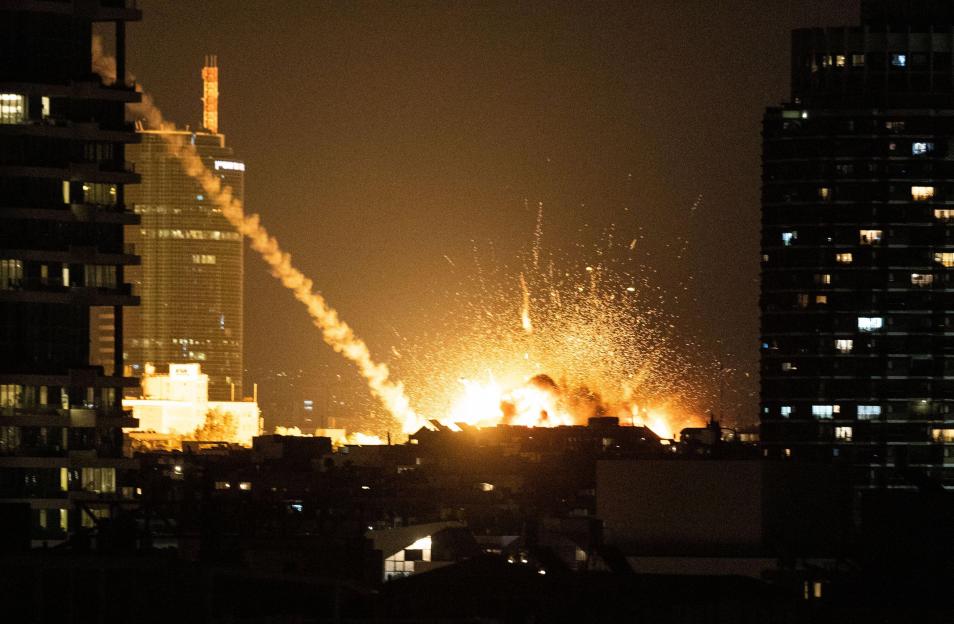 Iran retaliated with a series of counterattacks against Israel and U.S. targets across the region in March after Trump took out their supreme leader. Credit: Alamy
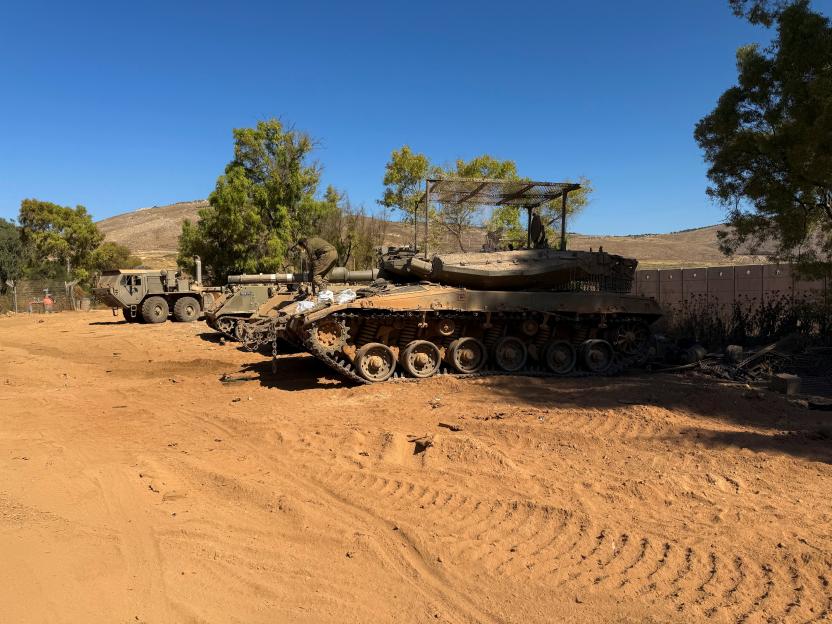 An Israeli soldier works on a tank on the Israeli side of the Israel-Lebanon border, after Israel and Lebanon signed a framework agreement Credit: Reuters
Washington targeted Iranian communications systems, air defence sites, drone storage facilities and other military infrastructure.
repeated his threat to destroy the regime if Iran keeps attacking.
Writing on Truth Social, he warned: “there may come a point when we are no longer able to be reasonable”.
The president also declared: “the Islamic Republic of Iran will no longer exist” if Tehran launches further attacks.
The latest US strikes followed an earlier Iranian drone attack on a Panama-flagged tanker carrying more than two million barrels of crude oil through the Strait of Hormuz.
The vessel was attempting to pass through the crucial shipping lane when it was attacked.
The fresh exchange of missiles came as Israel also hammered Iran-backed Hezbollah targets in southern Lebanon.
The strikes happened just a day after Israel and Lebanon agreed a US-brokered deal designed to pave the way towards lasting peace.
Hezbollah later tore up the agreement, branding it “null and void” because it linked Israel’s withdrawal from Lebanon to the militant group’s disarmament.
Lebanon was dragged into the widening Middle East war in early March after Hezbollah attacked Israel in support of Iran.
Israel responded with airstrikes before launching a ground invasion.
The latest violence follows Trump’s earlier warning that he had struck “multiple targets” inside Iran after accusing Tehran of breaking the ceasefire.
The US president wrote on Truth Social: “United States aircraft just struck Iranian missile and drone storage locations, and coastal radar sites, for violating the Cease Fire Agreement, AGAIN!
“It is very possible that they will never learn!
“There may come a point when we are no longer able to be reasonable, and will be forced to militarily complete the job that we very successfully started. If that happens, the Islamic Republic of Iran will no longer exist!”
US Central Command said on Sunday the latest attacks were launched “at the Commander in Chief’s direction”.
Centcom added: “After yesterday’s U.S. strikes in response to the Iranian attack on M/V Ever Lovely, Iran was given a chance to honor the ceasefire agreement but elected not to when its forces launched a one-way attack drone that hit M/T Kiku this morning at 4:30 a.m. ET.
“The Panama-flagged tanker was transiting near the Strait of Hormuz with more than two-million barrels of crude oil.”
The US military said it targeted surveillance systems, communications equipment, air defence sites, drone storage facilities and Iranian mine-laying capabilities.
Iranian state broadcaster IRIB later reported explosions in Sirik in the south of the country.
In retaliation, Iran fired missiles and drones at Bahrain and Kuwait.
Kuwait said it intercepted two ballistic missiles and reported no casualties or damage.
Bahrain said one blast destroyed the top floor of an eight-storey residential building near the country’s international airport, but nobody was killed.
Iran has also threatened to completely abandon negotiations if Washington launches more attacks.
Centcom later released dramatic footage showing US strikes pounding Iranian missile and drone sites.
Tehran accused America of carrying out a “brutal and blatant violation” of the peace deal.
Iran said: “These brutal attacks, which targeted Iranian coastal surveillance facilities, are a blatant violation of the memorandum of understanding to end the war.”
The Strait of Hormuz had only recently reopened after the June 17 ceasefire agreement.
The 14-point deal committed Iran to using its “best efforts for the safe passage of commercial vessels with no charge for 60 days”.
But the latest wave of missile and drone attacks has thrown that fragile agreement into fresh doubt.