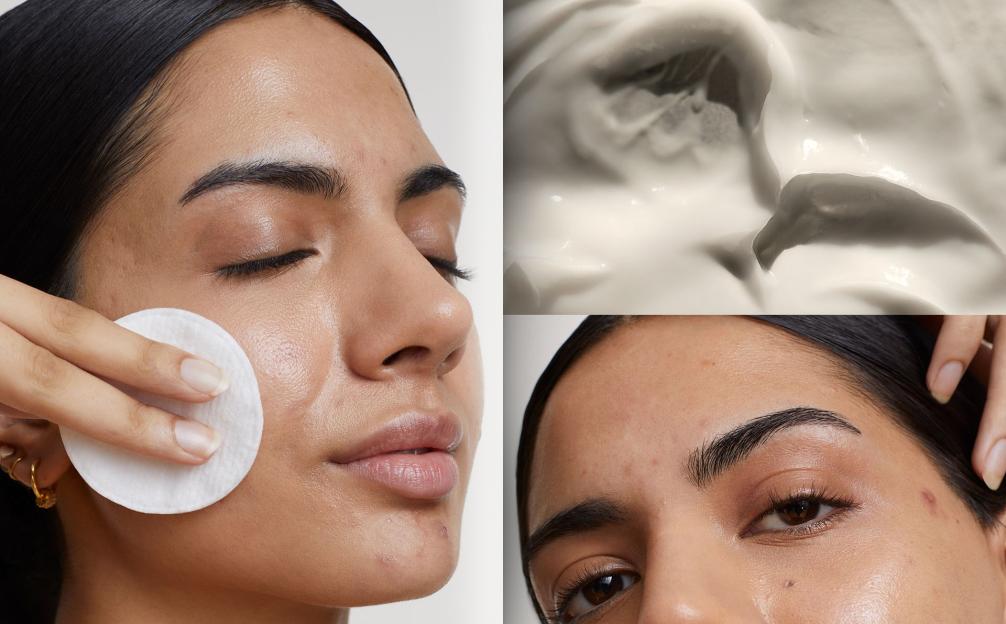
ACNE is supposed to be a teenage problem – a hormonal rite of passage that disappears once we leave school.
But for a growing number of adults, breakouts are sticking around well into our 20s, 30s, 40s and beyond – and they’re behaving very differently to the spots we once had.
Unsurprisingly, that can leave many people unsure how to treat them.
In fact, according to Face The Future, 79% of Brits say they feel overwhelmed by the number of products claiming to fix acne.
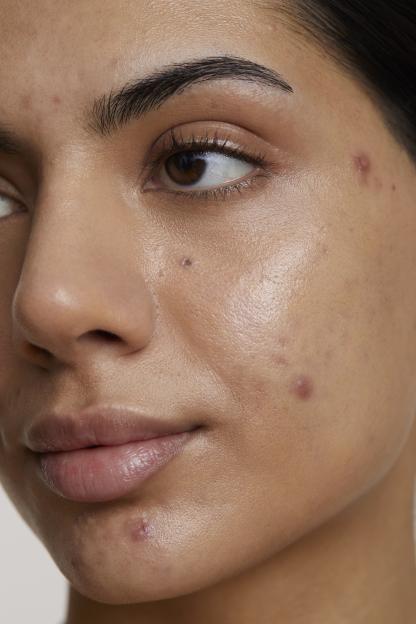 Adult acne plays by different rules to teenage breakouts Credit: Getty Images
Yet despite how common adult is, many of us are still treating it the same way we did as – with harsh scrubs and drying treatments that strip the skin of oil.
And that’s exactly where the problem is – not only is that approach outdated, it can actually make breakouts worse.
What is triggering your adult acne?
One of the most frustrating things about adult acne is that it can appear even if you didn’t struggle with spots growing up.
According to consultant dermatologist Dr Emma Wedgeworth, there’s rarely a single cause – instead it’s triggered by several overlapping factors.
“Acne is a combination of hormonal interaction with the skin, the skin’s microbiome and inflammation, and a shift in any of these can cause it,” she says.
While hormonal fluctuations – particularly those linked to , contraception changes, pregnancy or perimenopause – are often part of the picture, lifestyle factors can play a role, too.
“Diet, stress and disturbance can alter the skin’s microbiome and increase inflammation,” she adds, which is why adult breakouts often appear around the jawline and lower face – a pattern dermatologists see regularly.
“Breakouts are also common around perimenopause (even in women who’ve never had acne before) and are driven by a decline in oestrogen alongside a relative increase in androgens, which stimulate oil production and can lead to clogged pores and inflammation.”
For some, this might show up as new acne in their 40s or 50s, while for others, breakouts can return after years of clear skin.
Is stress causing breakouts?
Hormones aren’t the only influencing factor – stress can also have a surprisingly powerful effect on the skin.
“It can trigger acne by activating the body’s stress-response system,” says psychodermatologist Dr Alia Ahmed.
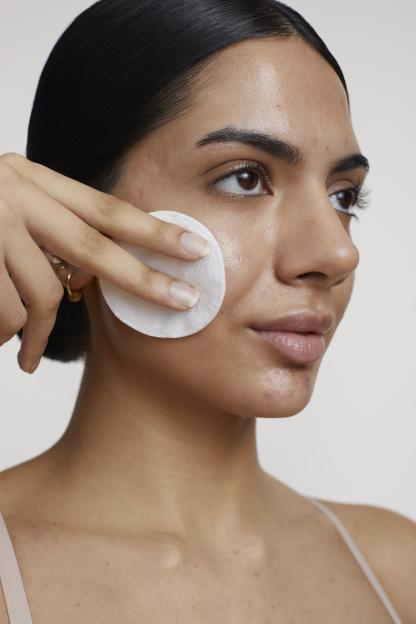 Harsh treatments can make adult acne worse Credit: Getty Images
“This raises cortisol and related hormones that increase oil production, inflammation and slow skin healing.”
In other words, when we’re stressed, skin can become more prone to breakouts.
Dr Ahmed explains that this is part of something known as the skin-brain axis – the biological connection between the nervous system and the skin.
“In simple terms, what happens in your mind can directly influence how your skin behaves,” she says.
That link can create a frustrating loop: stress triggers breakouts, and breakouts increase stress.
The emotional toll of adult acne
It’s understandable, then, that adult acne can take a real emotional toll.
“Adults can feel just as emotionally affected by acne as teenagers, and often even more so,” says Dr Ahmed.
Part of the reason is visibility: teenagers are surrounded by peers experiencing the same thing, whereas adults can feel more isolated.
“A lot of people tend to blame themselves – thinking it must be their diet, sleep, stress or – when the reality is much more complex than that,” she explains.
That anxiety can sometimes lead to behaviours that unintentionally make things worse.
Constantly checking your skin, picking spots or switching products can irritate the skin barrier and prolong breakouts.
Is your skincare routine making adult acne worse?
When a breakout rears its head, if your instinct is to throw every acne product you own at it, you’re far from alone – but it’s an approach that can easily cause more harm than good.
“There was a time when we thought drying out the skin was the answer, but now we understand that is absolutely not the case,” says Dr Wedgeworth.
Over-exfoliating or layering multiple active ingredients can disrupt the skin barrier and alter the microbiome, which can make acne worse.
Dermatologists are also seeing more people with irritated skin caused by overly complicated routines.
“Social media can be confusing when it comes to understanding what’s right for your individual skin type,” she says.
“Signs your skin may be irritated rather than just breaking out include tightness, stinging, redness or flaky bumps around the nose or central face.”
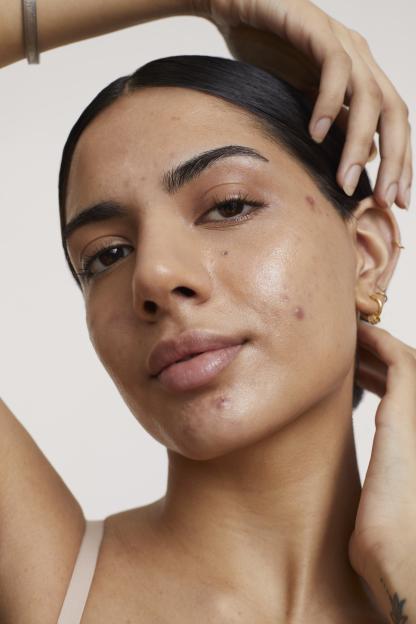 The emotional toll of adult acne is more than skin deep Credit: Getty Images
The best way to treat adult acne
The good news is that treating adult acne doesn’t have to be complicated.
“Start with a gel-based cleanser twice daily to remove excess oil and balance the skin,” suggests Dr Wedgeworth.
“Follow with a lightweight moisturiser to support the skin barrier – something people mistakenly skip when they’re breaking out – and then gradually introduce targeted actives.
“Salicylic acid, retinoids and azelaic acid are all good options, but you need to go slowly.
Add one at a time and then build up depending on your skin’s tolerance.”
Sun protection is also essential, as many acne treatments can increase sensitivity and spots can leave darker marks in their wake.
And, like with any skincare routine, patience is key.
“I work in cycles of three months for active creams like retinoids, which is how long it usually takes to see results,” says Dr Wedgeworth.
Can HRT help treat adult acne?
For some women navigating perimenopause or , hormonal treatments like HRT can also play a role.
“HRT may improve acne in some cases, but it really depends on the formulation,” says Dr Wedgeworth.
“Oestrogen can help balance oil production, while some progestogens and testosterone can actually make breakouts worse, so it’s not a predictable acne treatment.”
Treating adult acne, it seems, is less about attacking your skin, and more about learning how to support it.
The derm-approved acne skincare routine
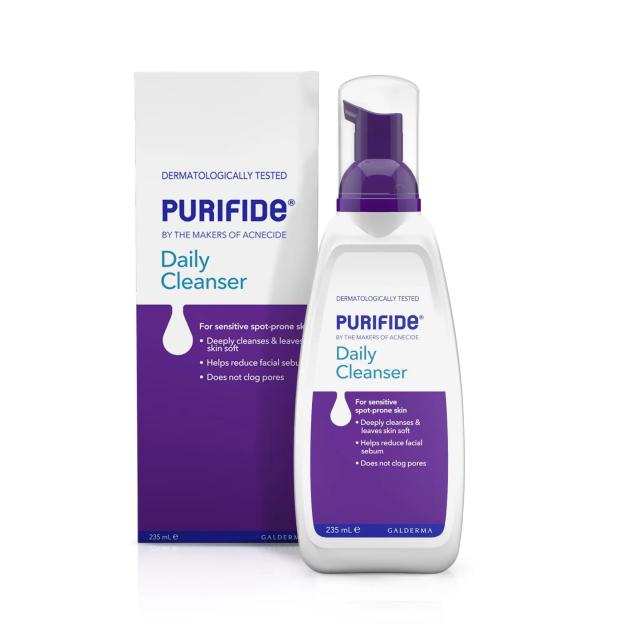 Swap your cleanser to a gel formula for clean skin without irritation Credit: Purifide
Purifide Daily Facial Cleanser, £10.50
This gel cleanser is effective yet gentle, removing excess oil without leaving the skin feeling tight or stripped.
It’s a reliable, budget-friendly staple for those managing breakout-prone skin on a daily basis.
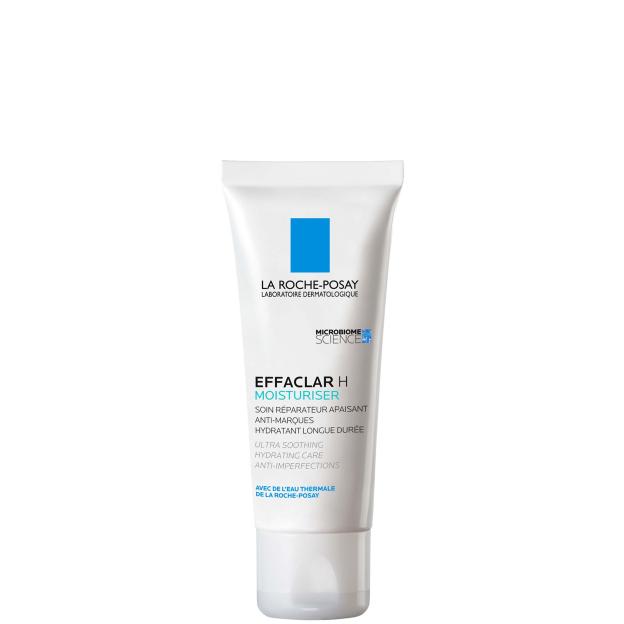 This moisturiser is made specifically for acne-prone skin Credit: la roche-posay
La Roche-Posay Effaclar H Iso-Biome Moisturiser, £21.50
Designed specifically for skin sensitised by acne medications, this moisturiser is praised for its soothing, barrier-repairing properties.
It provides deep, long-lasting hydration and reduces redness without feeling heavy or greasy.
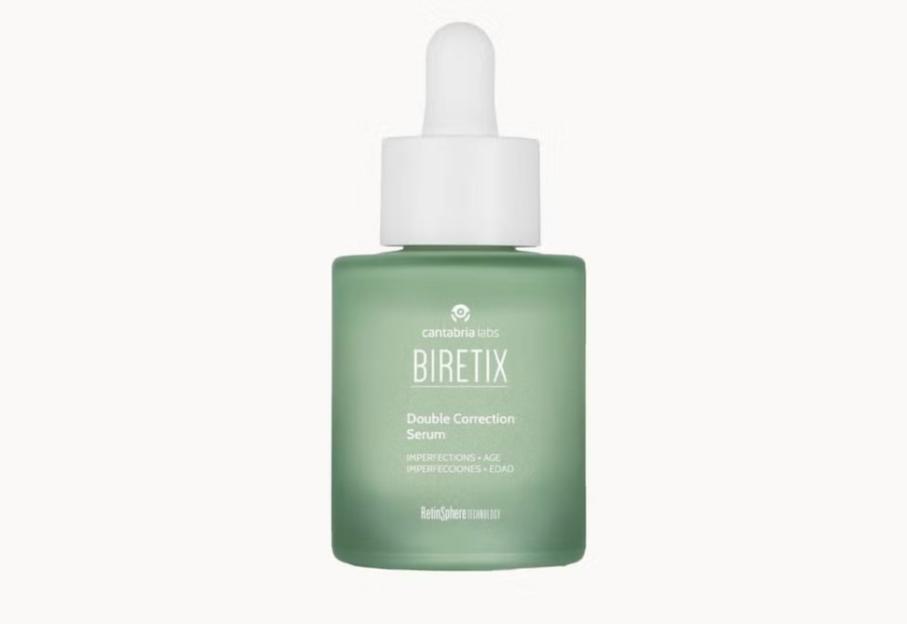 Retinoids are a hero ingredient for fighting both acne and signs of skin ageing Credit: biretix
Biretix Double Correction Serum, £40
Thanks to a sophisticated retinoid blend, this potent serum is celebrated for its ability to clear active breakouts while simultaneously fading stubborn post-inflammatory marks, improving both skin tone and texture in one step.
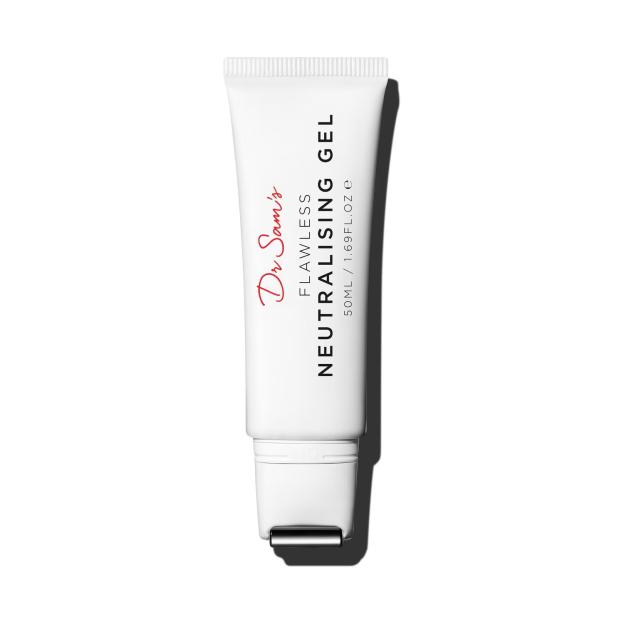 Dr Sam’s range is created with problem skin in mind Credit: Not known, clear with picture desk
Dr Sam’s Flawless Neutralising Gel, £30
The combination of azelaic and salicylic acid rapidly calms angry, inflamed spots without causing excessive dryness.
Plus, the invisible texture sits seamlessly under , so you can use it day and night.
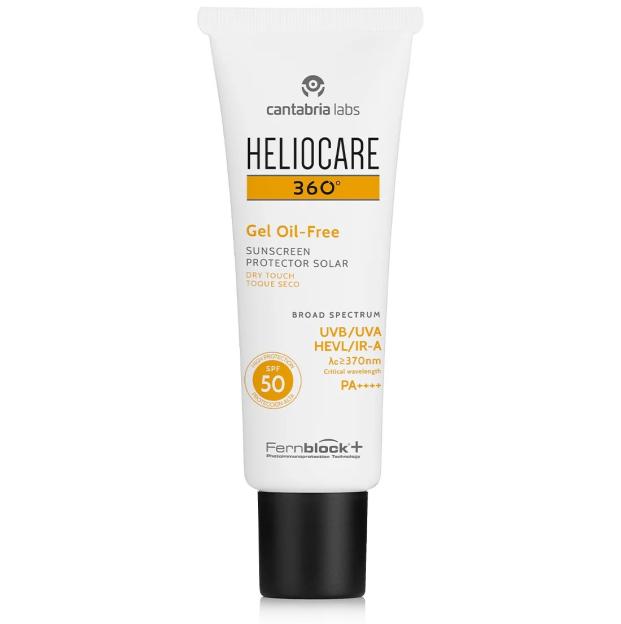 If you find SPF greasy, this will win you over Credit: Not known, clear with picture desk
Heliocare 360 Gel Oil-Free SPF50, £31
This oil-free, acne-safe SPF has a unique dry touch finish that keep shine at bay without clogging pores.