IF you spent last night tossing, turning, and staring at the ceiling, you’ve likely already blamed the usual suspects…caffeine, doom-scrolling, or that final check of your work emails.
But new research suggests the – it’s what you’re not touching.
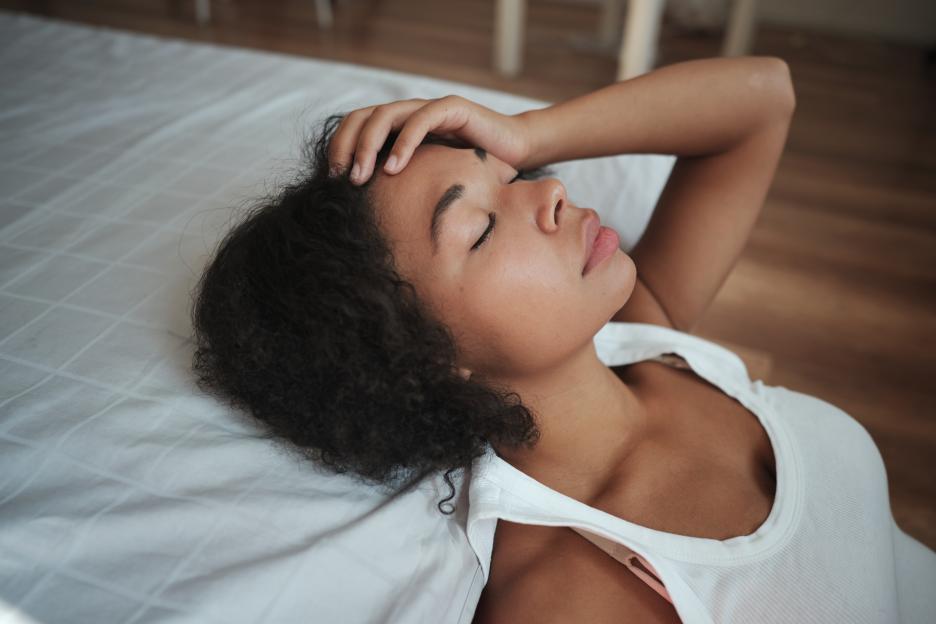 Brits are currently struggling to sleepCredit: Getty
Britain has officially slipped into a full-blown ‘hug recession.’
According to an exclusive nationwide study of 2,000 UK adults commissioned by sleep tech firm Simba , we have become a nation of the ‘touch-starved.’
Despite sharing beds with partners, we are increasingly replacing human skin-to-skin contact with the cold glass of our smartphone screens.
Over half of us (53%) admit our phone is the last thing we touch before closing our eyes.
Meanwhile, 42% of Brits say they rarely cuddle or snuggle in the evenings, and 34% of the population now feels “touch-starved.”
“Touch is one of the most powerful under-rated free sleep-aids we have,” says Lisa Artis, Deputy CEO of the Sleep Charity.
“It’s a natural regulator of stress, helping to lower cortisol, ease anxiety and prepare the nervous system for deep sleep.”
The data shows that even when we are physically next to a loved one, the digital divide is growing.
One in three (33%) are more likely to reach for their phone than their partner’s hand at bedtime.
“Touch isn’t just emotional, it’s biochemical,” Lisa explains. “It’s a biological cue that tells the body it’s safe to drop into rest mode.”
It isn’t just those living alone who are feeling the chill.
While 49% of solo sleepers say they rarely experience calming touch, the feeling of isolation is rampant in shared beds, too, as 45% of singles feel physically disconnected, and 40% of couples report the exact same feeling.
The study also highlights a vicious cycle show the less sleep we get, the more we retreat into our devices.
Among those clocking under four hours of sleep a night, 63% have a phone in their hand every single night, and nearly half (48%) admit they almost never hug or snuggle before lights out.
“We think we’re winding down together,” Lisa observes.
“But a lot of the time we’re sitting side-by-side, looking at our phones. A few minutes of touch can completely change the brain’s chemistry and make it easier to fall asleep and stay asleep.”
Why does a simple hug outperform a sleep supplement?
According to Lisa, physical contact – whether it’s with a partner, a child, or even a pet – triggers a cascade of biological benefits:
Known as the bonding hormone, it counteracts cortisol (the stress hormone) that keeps us awake.
Touch activates the parasympathetic nervous system, slowing the heart rate and deepening breathing.
“Loneliness and sleep problems are closely linked. Touch helps people feel grounded,” says Lisa.
“That sense of being comforted is powerful, even if it lasts 30 seconds.”
Lisa suggests we get back in touch by doing a two-minute oxytocin boost.
She explains that you don’t need a marathon snuggle but a little as two to five minutes of intentional touch – holding hands while reading or resting a hand on a pet – is enough to trigger the brain’s safe signal.
Lisa then suggests swapping your final scroll for a moment of contact. Physically, this is the “opposite of doom-scrolling” and far more effective at silencing mental chatter.
Finally, if you sleep alone, place your hands over your heart or abdomen to focus on your rhythm.
Alternatively, use a “comfort anchor” like the Simba Body Pillow, which provides the physical pressure and stability of being “anchored” without needing a partner.
“Many people assume they’re ‘bad sleepers’ when in reality they’re simply going to bed with a nervous system that’s still on high alert,” Lisa concludes.
“A few minutes of physical closeness can help to shift the body out of that state.”
How Does Beauty Sleep Work?
WE'VE all heard of beauty sleep, but what's actually going on while we catch good quality Zs that's actually making us more beautiful?
- Enhanced Blood Flow
During sleep, blood flow to the skin increases. It delivers essential nutrients and oxygen that help repair damage from UV exposure and pollution. The result? A healthy glow - Cell Regeneration
Skin cells regenerate more quickly while we sleep. The rate of cell turnover is higher during the night, allowing the skin to shed dead cells and replace them with new, healthy ones. This improves skin texture and tone - Reduced Cortisol Levels
Cortisol, a stress hormone, can break down collagen and contribute to the formation of wrinkles. Good quality sleep helps regulate cortisol levels, thereby reducing its negative impact on the skin - Hydration Station
The skin loses more water during the day compared to night because sleep helps the skin retain moisture. Well-hydrated skin appears plumper and less prone to wrinkles - Growth Hormones
During deep sleep, the body releases growth hormones, which play a key role in tissue growth and repair. These hormones help the skin recover from the damage it has sustained and support the formation of new cells