WHEN your usual thick, shiny or long locks look lacking, it can be worrying.
If you notice more on your brush or a pile of strands on the floor or pillow, it is natural to panic.
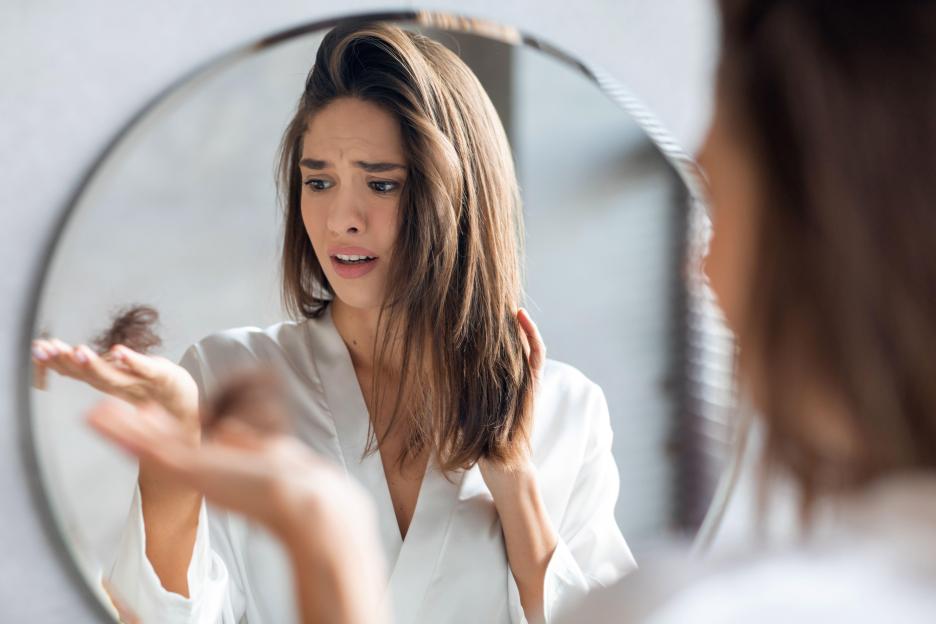 Find out how to get to the bottom of what’s causing hair lossCredit: Alamy
Although sometimes is gone for good, it could just be a form of temporary hair loss.
Mr Manish Mittal, a leading hair transplant surgeon, tells Sun on Sunday Health: “This won’t stop until you reverse the thing that causes it.”
Here we look at how you can catch the damage before it becomes permanent.
BOILING BRAIDS
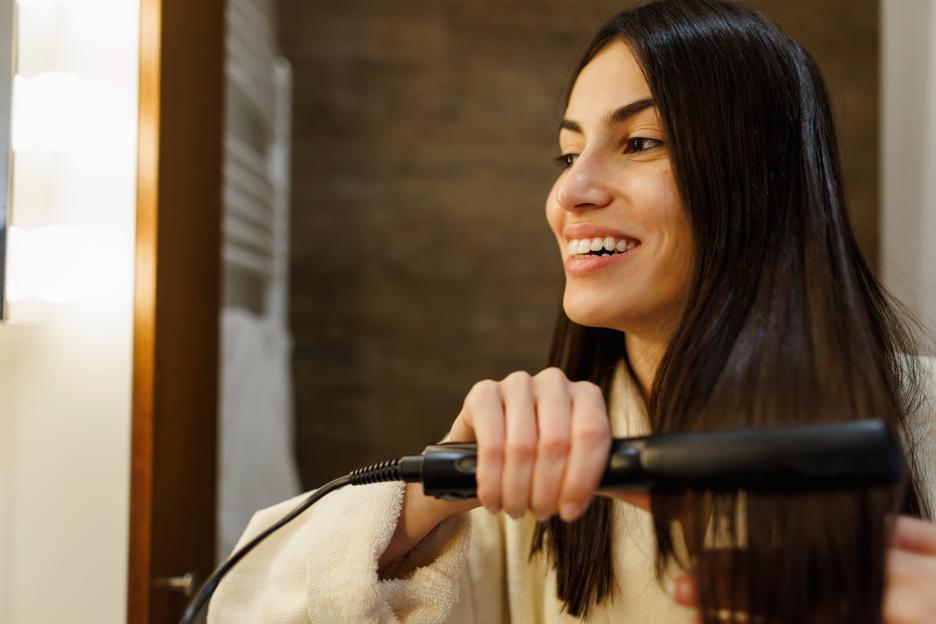 Constantly exposing your hair to heat won’t make it happyCredit: Getty
WHETHER it is straighteners or the hairdryer, constantly exposing your hair to heat won’t make it happy.
“Really high temperatures damage the outer cuticle layer,” says Dr Amy Vowler, Hair Restoration Specialist at Hair .
“High temperature can crack it and also upset the bonds in the hair, which causes it to snap more.”
Dr Vowler adds: “When you wash hair, water goes inside it and, essentially what you’re doing, when drying your hair, is boiling the hair.”
She advises styling at lower temperatures.
DRIP-DRY DANGER
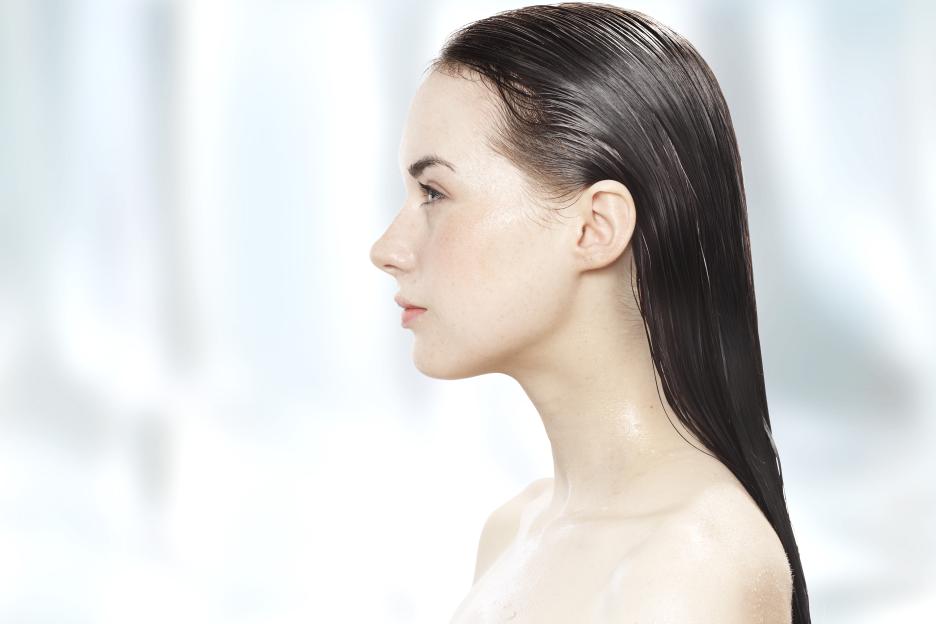 Letting your locks air dry can also cause problemsCredit: Getty
LEAVING your hair to air dry can also cause problems.
Dr Vowler says: “It can cause fungus and yeast to overgrow and that upsets the hair follicles — the little structures that produce hair.
“You can get dandruff and it also causes hair loss.”
Plus, hair is at its most fragile when wet.
“If you’re tying it up in a ponytail with a tight hairband or going to bed with wet hair, it’s going to break more,” says Dr Vowler.
“Avoid aggressively rubbing your hair when it’s wet and aim to wash every two to three days, not every day.
“Caffeine shampoos can stimulate hair follicles by improving circulation and blood flow.”
TIGHT TENSION
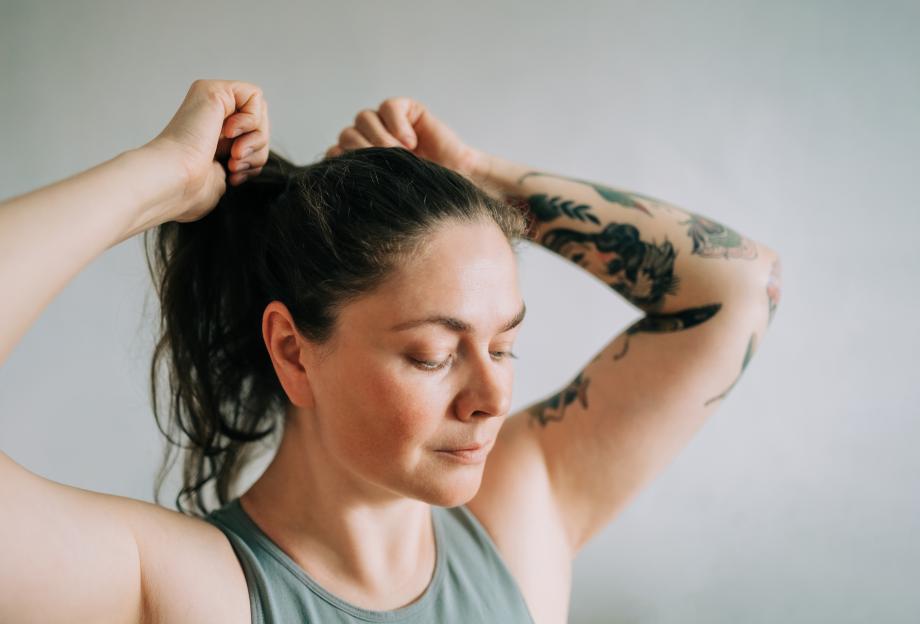 Frequently tying your hair in a slick-back ponytail or bun can lead to traction alopeciaCredit: Getty
RELYING too much on a slick-back ponytail or bun can lead to traction alopecia.
“Really tight hairstyles, hair extensions, braids, weaves or anything that’s pulling on the hair, pulls on your hair root,” continues Dr Vowler.
“Continual stress assault over the years can cause the follicle to become smaller, so new hairs coming out are finer, shorter and break easily.”
You may even notice a receding hairline.
Let locks fall loose as much as possible. Halo extensions, which rest on your head with an invisible wire, or clip-in extensions are much kinder, too.
STRESS LAG
 There is a delay between stressful events and the shedding they causeCredit: Getty
YOU may not have been feeling emotional pressure just before noticing hair loss, so may not make the connection but Dr Mittal says there is roughly “an eight to 12-week lag between a stressful event and the shedding it causes”.
He says: “When the body is under major physical or emotional stress, it pushes a higher percentage of follicles into the telogen phase.”
This is the part of the growth cycle when hair is still attached to the follicle but is no longer growing.
It lasts about three months before a new hair pushes it out.
If a higher percentage enters the telogen phase at once, “you end up shedding far more than the average 100 hairs a day,” says Dr Mittal.
This is reversible but if stress becomes chronic and sustained, it can accelerate genetic hair thinning, or androgenetic alopecia, says Dr Mittal.
Treatment may involve medications, sometimes available on the .
NUTRIENT GAP
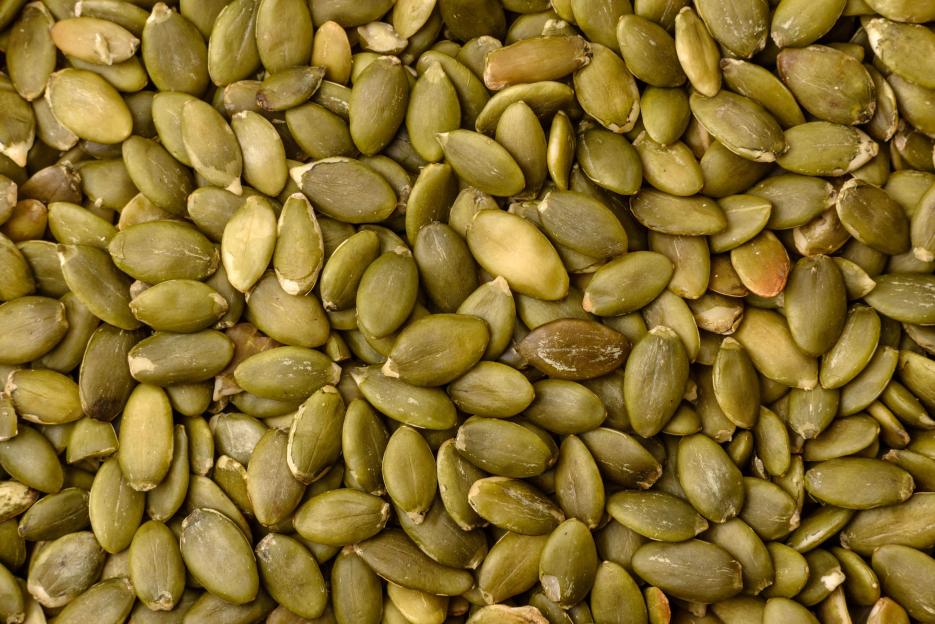 A simple diet deficiency can cause hair to shed — Zinc-rich foods like pumpkin seeds can helpCredit: Alamy
OFTEN a simple diet deficiency is the culprit, says Dr Mittal.
A lack of zinc, important for follicle recovery and repair, affects up to seven per cent of us.
Zinc-rich foods include chicken, red meat, dairy and pumpkin seeds.
Iron deficiency, more common in women with heavy , is often the cause of brittle hair. Main sources are red meat, chicken and eggs, lentils, chickpeas and nuts.
For vegetarians or vegans especially, Dr Vowler adds: “Hair strands are 95 per cent keratin, which is a protein, so if you haven’t got protein, you can’t build the hair.”
Meat-free protein sources include Greek yoghurt, tofu and pulses.
FAT JABS
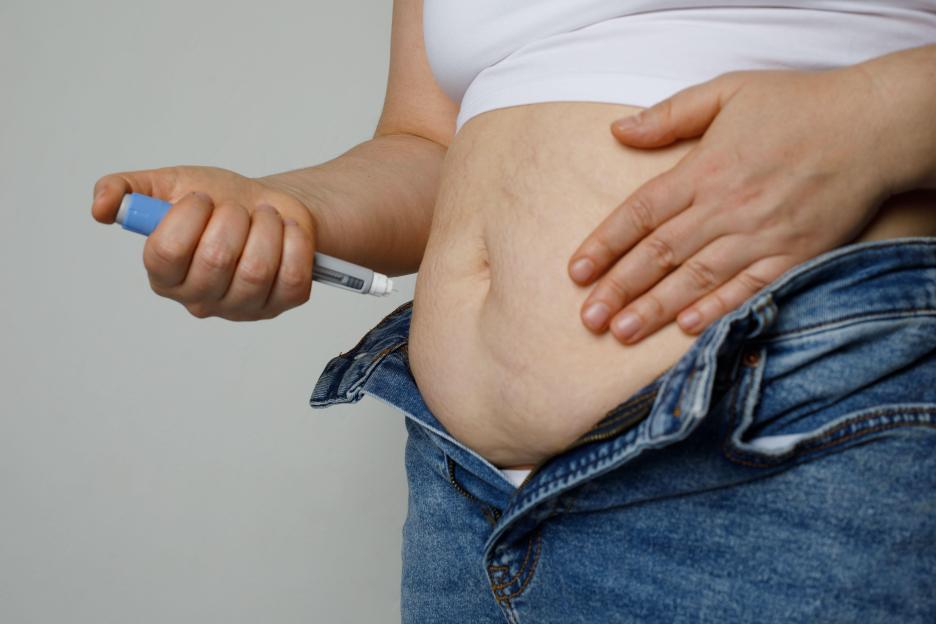 Weight-loss injections can reportedly cause hair lossCredit: Alamy
“I’M seeing hair loss caused by rapid weight loss more and more with GLP-1 ,” says Dr Mittal.
“When calorie intake drops sharply, the body shifts into conservation mode and deprioritises hair growth.”
Plus eating less may mean you are not consuming enough protein or other vital nutrients so check if your jab prescriber offers nutritional advice.
Hair growth can recover after any of these issues described.
Dr Mittal adds: “It becomes a serious red flag when you’re shedding clumps, the scalp becomes visible, hair density reduces or you’re noticing shedding persisting for more than six to eight weeks.”
See your doctor if you are worried.