
"4 Cold-Hardy Vegetables to Plant Now for a Thriving Spring Garden"
IT may still be the bleak mid-winter, but January is an important gardening month to prepare for the spring ahead. This is because what happens in vegetable be...
 Written byEze Chidiebere Paul
IT may still be the bleak mid-winter, but January is an important gardening month to prepare for the spring ahead.
This is because what happens in vegetable beds now can make all the difference to how successful their spring growing season will be.
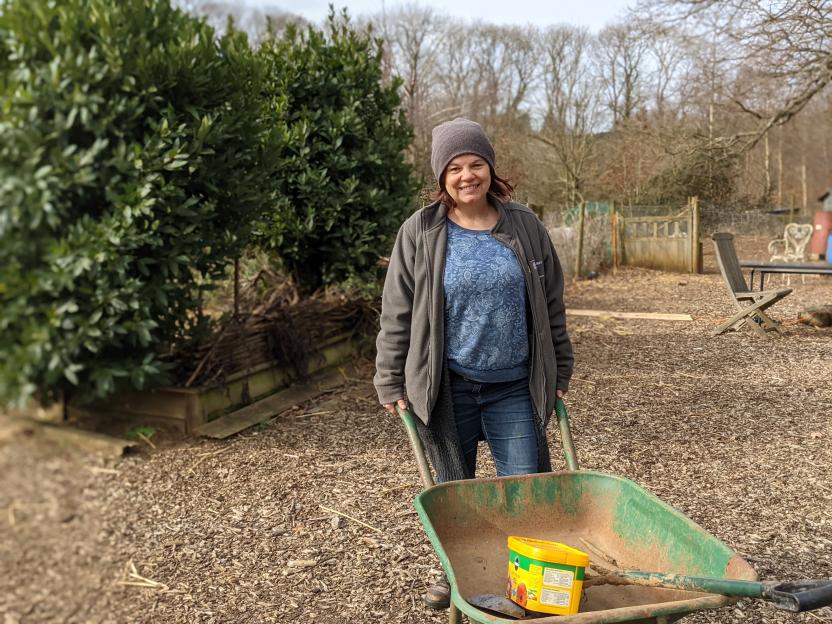
Gardening pro Kate TurnerCredit: Supplied
And Kate Turner , Gardening Guru at Miracle-Gro, has revealed the four cold-resistant veggies that you should be getting in the ground now.
Kate is a trained horticulturalist and has worked behind the scenes on top gardening shows including BBC Gardener’s World, Alan Titchmarsh’s Love Your Garden and Garden Rescue.
She says: “Growing certain vegetables such as brassicas are ideal in winter conditions as they are especially resistant to cold, while most other foods are limited by the lack of heat.
“Brassicas can include cabbage, broccoli or sprouts, perfect ingredients for a springtime roast dinner.
“To ensure they flourish in beds, adding lime to the areas where they will be planted can help balance the soil and keep plants healthier.”
Kate also revealed that January is a great time to grow garlic on raised beds.
“Growing garlic in January gives it the temporary cold period it needs for growing before warming up”, she adds.
“Just ensure the soil is not waterlogged or frozen in the area you plant them.”
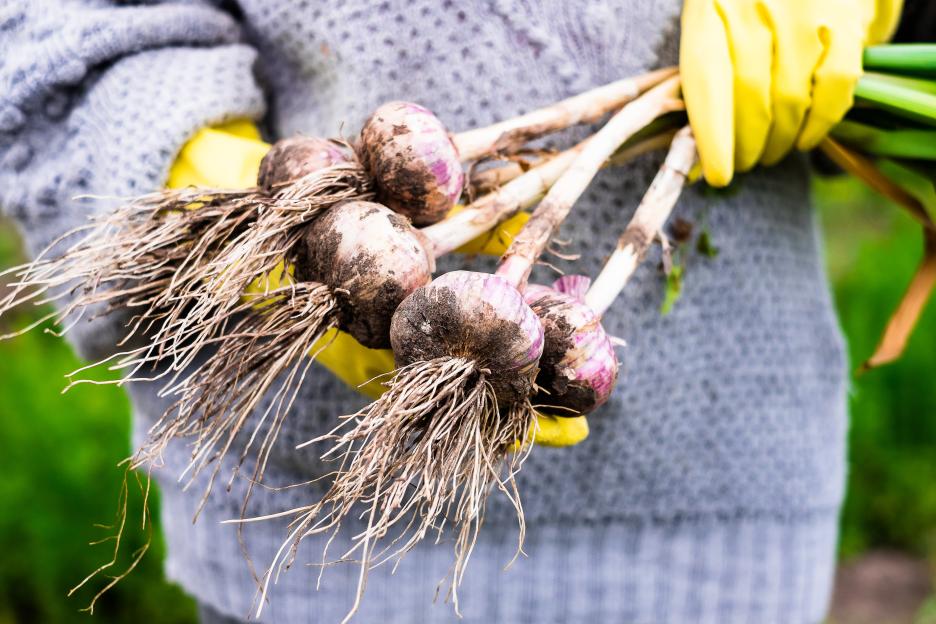 January is the perfect time to plant garlicCredit: Getty
And she’s rounded up four other tips for preparing your vegetable beds during the coldest time of the year.
Keep the beds cosy
“To get an early start on sowing, you can use cloches, temporary fleece or membrane covers to trap heat”, says Kate.
She adds: “Utilising these items will protect plants from winter chills, as well as increase soil temperatures, creating better conditions for seeds and young plants to begin sprouting before spring.
“If you’re feeling up for DIY, covering beds with cardboard and topping them with a thick layer of compost or mulch can have the same effect.
“This also helps suppress weeds, improves soil health and gently warms the ground so it’s ready for planting.
“Meanwhile, make sure you also keep soil moist, as damp soil is better at retaining heat. This will ensure the seeds you sow now are well on their way to becoming meal-worthy veg by spring.”
Don’t tread water…logged beds
Kate says it’s also important to ensure you steer clear of walking across any waterlogged or frozen soil over winter.
She explains: “Walking on frozen or drenched beds can compact the soil and undo months of natural soil-building. This is because they’re particularly fragile right now due to the winter cold.”
Go light on weed-removal
While many people are keen to tidy their plots, it’s best to hold off on hand-weeding, according to the gardening pro.
Kate says: “Weeds can help protect the soil surface from the cold and frost, and help retain soil moisture, which is equally important for keeping the beds warmer.
“However, any flower heads should be removed in milder areas to prevent unwanted self-seeding.”
Pest protection
The best and most efficient way of defending your beds from pests over winter is removing debris such as old plants and fallen leaves as these can serve as homes for creepy crawlies and also disease over winter.
You should also be vigilant of the vegetables you’re growing as fallen brassica leaves can attract pests too.
Kate adds: “Wooden raised beds especially are also worth a quick check, as slugs and snails often tuck themselves away in cracks and corners over winter. Removing them now can help reduce problems later in the season”.
Continue reading

Should fried food and Coco Puffs be off the menu at schools? Two parents go head-to-head
SCHOOL kids’ traditional fish-and-chip Fridays could become a thing of the past. including fried eggs, pizzas, and Coco Pops, to make room for healthier alte...

Fat jabs have turned me from 22st binge-eater into a sex machine having 6-HOUR romps… what happened when I came off them
AT her lowest moment, Lizz Adair was eating herself into an “early grave” at 22 stone, scoffing takeaways for dinner followed up by a family-sized Galaxy bar or...
The 23p fruit you need to scatter over your lawn this winter to stop weeds growing on grass
NOW that we’re officially into autumn, it’s time to prepare our gardens for the colder months ahead. And the wet and icy seasons are the perfect time to tackle...

I tried out three hand creams and I believe one is the perfect formula
SUMMER is only just over, but given how dry my hands have felt this week, it’s already time to get the hand cream out. These are three of the best, at every pr...