Table of Contents
- Introduction
- The Murders
- Who were the Essex Boys’ enemies?
- Was it a revenge attack?
- Was it a drug deal gone wrong?
- Was the ‘supergrass’ reliable?
- Why maintain their innocence?
Regarded as ‘the most infamous crime scene in British history’, the Essex Boys Murders have intrigued amateur detectives for three decades.
Although two men were convicted for the crime in 1998, speculation about the ‘real killers’ and alleged clues overlooked by investigators continues to circulate.
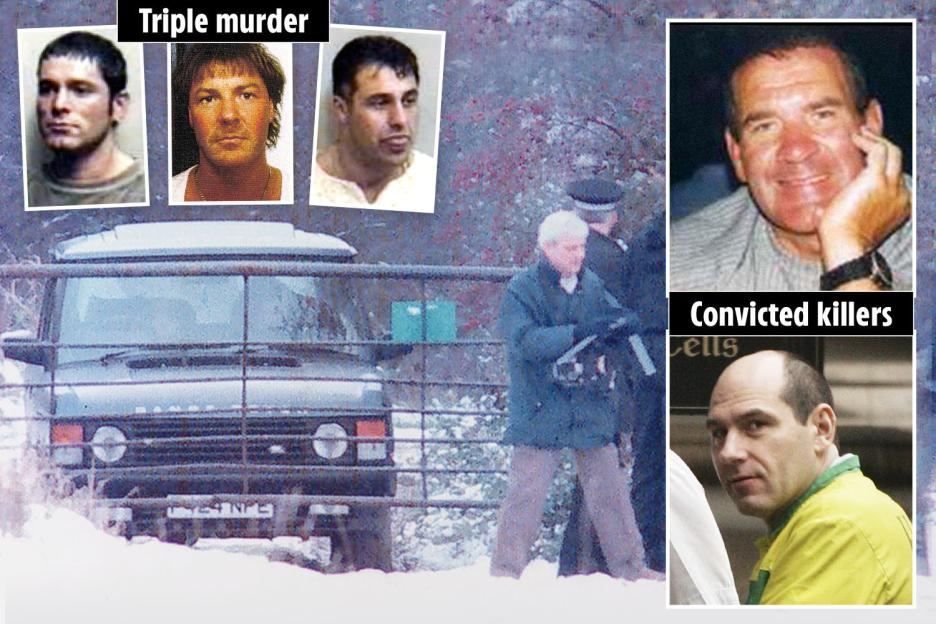
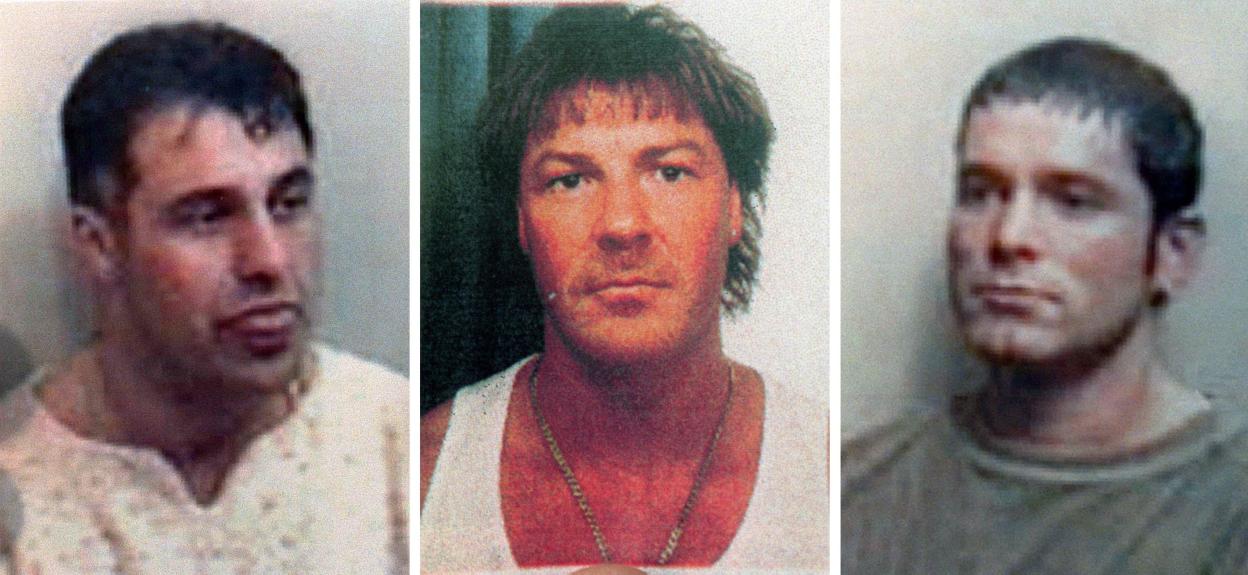 Essex Boys (L:R) Patrick Tate, Anthony Tucker, and Craig Rolfe were found dead in December 1995Credit: PA
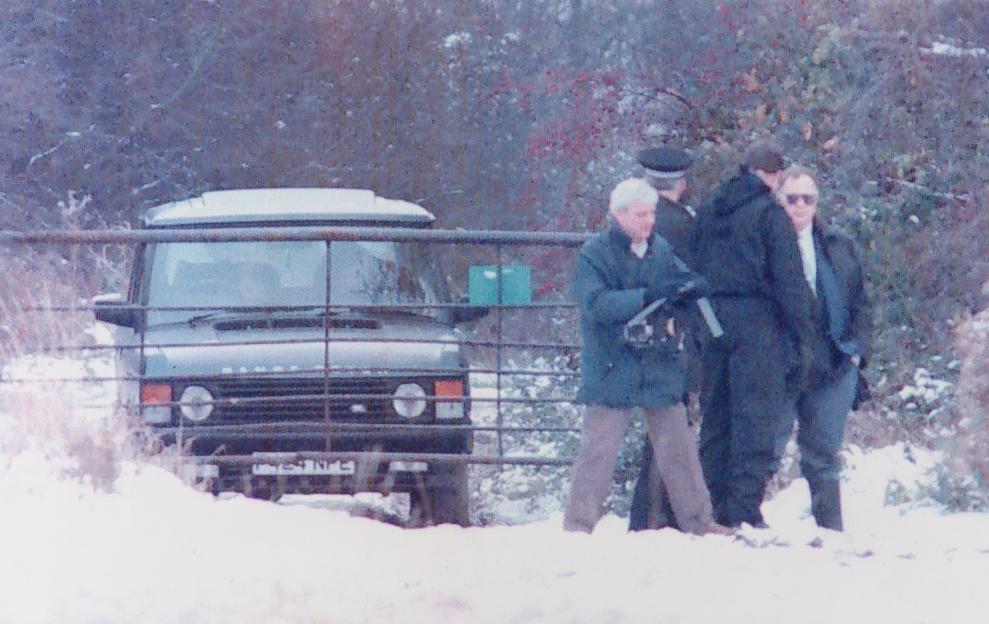 The bodies of the victims, all of whom suffered gunshot wounds to the head, were found in a Land RoverCredit: Andrew Styczynski – The Sun
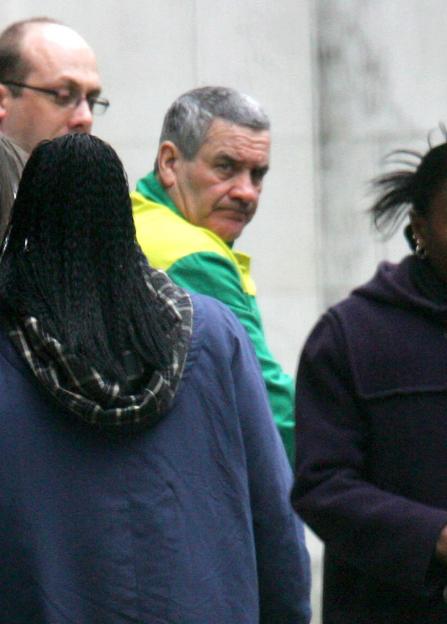 Killer Michael Steele was released from prison in May after serving 27 yearsCredit: Rex Features
The bodies of Tony Tucker, 38, Patrick Tate, 37, and Craig Rolfe, 26, were found inside a Land Rover on a secluded lane in Rettenden back in 1995.
They were known for selling ecstasy and other drugs in Essex nightclubs and reportedly had numerous enemies.
Police believe they were lured to a quiet location for a drug deal and murdered by shotgun-wielding assassins in what was labeled a “brutal gangland execution.”
The men convicted of their murder – known as Steele and Whomes – were seasoned criminals, yet they maintained their innocence until their release.
Their continuous denials resulted in multiple unsuccessful appeals, ultimately leading to them serving a longer prison term.
This week, on the 30th anniversary of the horrific murders, The Sun disclosed a new twist, revealing tapes that show how Whomes’ brother – a long-time advocate for his release – had influenced a key witness during the trial.
While this shocking revelation prompted one former Essex detective to suggest it was “time to close the case,” further challenges may still be on the horizon, as the Criminal Cases Review Commission is currently reviewing an application from a team of private detectives working pro bono.
Skeptics of the prosecution's case point out that it heavily relied on the testimony of a so-called “supergrass.”
Informant Darren Nicholls, who was a paid police informant, provided evidence after being arrested with 10kg of cannabis in his van, claiming to be Steele and Whomes’ getaway driver.
Concerns regarding the reliability of this evidence, alongside various theories about the evidence and motives of other potential suspects, have led to ongoing speculation.
During a visit to the tranquil Rettendon, which remains haunted by the infamous crime three decades later, it became evident that many locals still harbor doubts and frustrations about what transpired that fateful night.
So, what are the enduring mysteries that have persisted for 30 years – and, as frustrated residents shared with me, still attract hundreds of amateur detectives to the village each year?
Who were the Essex Boys’ enemies?
Police are confident they convicted the right individuals for the killings – yet, if the theories are to be believed, there were plenty of would-be murderers with motives