THE mercury is rising to a scorching 33C this bank holiday weekend, and certain dog breeds might struggle with the heat.
Three kinds of are at an “increased risk” of heatstroke, according to experts.
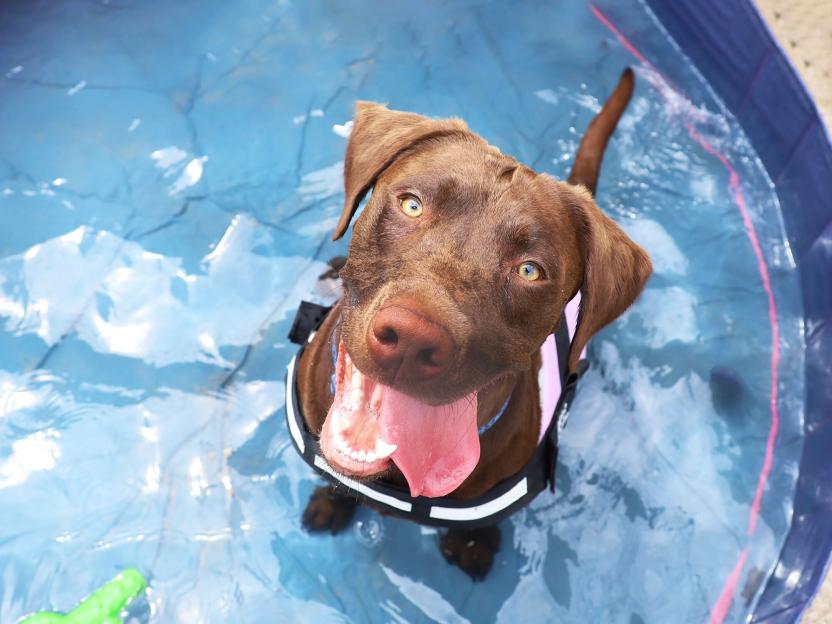 Dogs Trust revealed the three breeds at higher risk of heat stroke (stock image) Credit: Dogs Trust
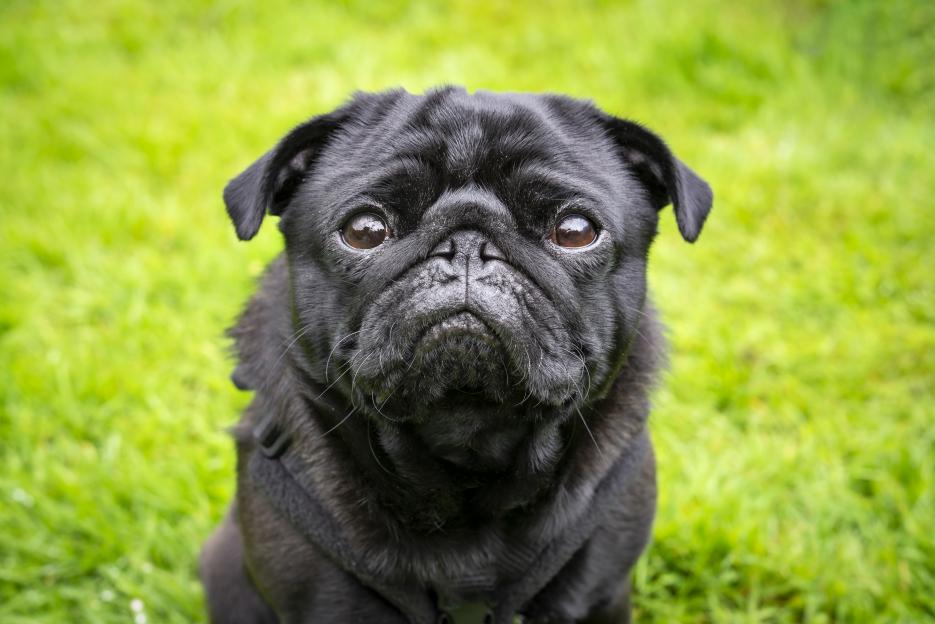 Pugs and bulldogs were named among the most at risk of heatstroke (stock image) Credit: Getty
Dog owners across the UK will want to take measures to ensure their pooch is cool and comfortable as the first bout of hits.
From to cooling pads, there are plenty of measures you can take to keep your pup from overheating.
The experts at Dogs Trust told The Sun the specific breeds most at risk of developing heatstroke.
“Heatstroke can affect any type of dog, but certain breeds and types of dogs are at increased risk,” the pros explained.
The UK’s largest dog welfare charity named “brachycephalic or flat-faced breeds such as English Bulldogs, pugs, and French Bulldogs” among the most at risk.
They also warned owners of “older dogs, overweight dogs and those with pre-existing medical conditions” to pay particular attention.
Dogs Trust revealed the most common heatstroke symptoms, which include showing signs of being lethargic or drowsy.
Changes to breathing such as heavy panting, which can sometimes look like smiling, changes in breathing pattern, or using their tummy to breathe are also common signs of heatstroke.
Dogs may also experience vomiting or diarrhoea, drool excessively, or collapse, with owners advised to contact a vet if they are concerned.
Emily Mills, Veterinary Projects Manager at Dogs Trust said: “Spotting the early signs of heatstroke and cooling a dog quickly can prevent worsening, with over 95 per cent of dogs with only mild heat-related illness surviving when treated promptly by a vet.
“So, if you suspect your dog is suffering from heatstroke, begin cooling them down immediately and contact your vet straight away.”
Steps to take to cool an overheating dog
- Stop them from playing, walking, or whatever activity they’re doing
- Move the dog to a shaded and cool area
- Offer them drinking water
- For young, conscious, healthy dogs, immerse or douse them in cold water, keeping their head above water
- For older dogs or dogs with health conditions, spray them with room-temperature water, avoiding their face, and combine it with air movement from a breeze, fan, or air conditioning
- Place ice wrapped in a tea towel in their groin and armpits
- Always closely monitor cooling and stop if you notice signs of shivering
- Do not place a wet towel over them, as this can raise their temperature
- While transporting to the vets, keep the air conditioning on in the car or the windows open