
Civil Society Sounds the Alarm on Police Checkpoints, Urges Nationwide Reform
Growing concerns over police checkpoints across Nigeria are fueling renewed calls for reforms, with civil society leaders warning that persistent allegations of...
 Written byEze Chidiebere Paul
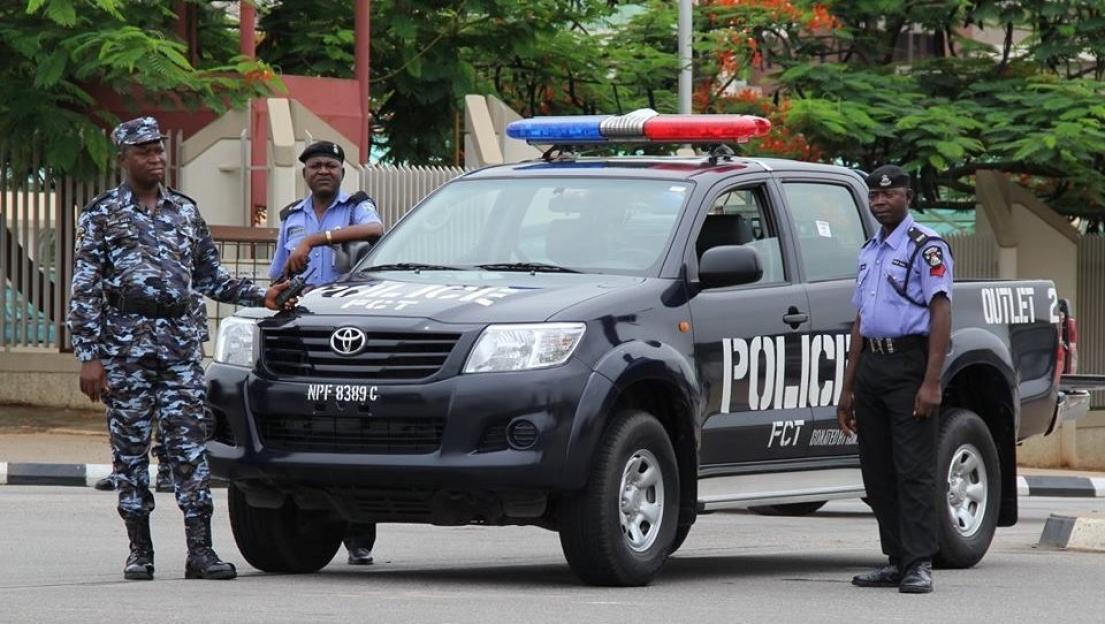
Growing concerns over police checkpoints across Nigeria are fueling renewed calls for reforms, with civil society leaders warning that persistent allegations of extortion, abuse of authority, and weak oversight are widening the trust gap between law enforcement agents and the citizens.
In a statement issued to journalists on Friday in Taraba State, the state chairman of the Coalition of Civil Society in Nigeria, Dr. Joseph Gimba, said the strained relationship between the public and the Nigeria Police Force could weaken cooperation in intelligence gathering, damage Nigeria’s international human rights reputation, and allow corruption networks to thrive within policing structures.
The debate, as observed by DAILY POST comes amid broader national conversations about modernizing policing practices and strengthening accountability within the country’s security institutions.
Across many Nigerian highways and urban roads, routine police checkpoints originally designed to deter crime and intercept illegal weapons have increasingly become a point of friction between motorists and officers.
Piqued by the development, Gimba argued that inconsistent procedures, lack of transparency, and insufficient monitoring have contributed to growing public dissatisfaction.
“Checkpoint operations should serve public safety, not erode public trust,” Gimba said. “Without proper oversight and standardized procedures, the system becomes vulnerable to abuse,” he said.
He warned that beyond public frustration, the consequences could undermine national security, noting that reduced cooperation from citizens could weaken intelligence gathering critical to combating organized crime, terrorism, and kidnapping.
Gimba urged authorities to adopt a comprehensive framework aimed at restoring public confidence while maintaining effective security operations.
According to him, key objectives should include ensuring checkpoint operations comply strictly with constitutional and statutory laws, reducing corruption and abuse of authority, standardizing procedures nationwide, and increasing transparency and accountability within police operations.
“At the center of the reform proposals is the creation of a National Checkpoint Operations Manual that would establish clear national standards governing checkpoint activities”, Gimba suggested.
Under the proposed framework, the manual, he said, would define when checkpoints may legally be established, the maximum number permitted within a jurisdiction, and duration limits and approval procedures for such operations.
Gimba said the framework should also introduce stronger disciplinary measures within the police system.
He called for a zero-tolerance disciplinary policy that would include the immediate suspension of officers pending investigation whenever credible complaints are received from members of the public.
The civil society leader further recommended installing visible signage at checkpoints to inform motorists of the purpose of the stop, their rights during stop-and-search procedures, and how to report misconduct.
He also called for nationwide public awareness campaigns to educate citizens about the legal limits of police authority while encouraging victims of abuse to report incidents.
According to him, community-police forums should include checkpoint conduct as a standing agenda item in order to strengthen dialogue between residents and security agencies.
Gimba added that strengthening professional standards and improving officer welfare could help reduce the financial pressures that sometimes contribute to corruption within the force.
“Security and civil liberty are not mutually exclusive,” he noted, echoing recommendations contained in a policy brief circulating among reform advocates.
“By institutionalizing accountability, leveraging technology, and reinforcing professional standards, checkpoint operations can shift from a source of grievance to a pillar of lawful, intelligence-driven policing,” he said
Continue reading

Show discipline, calling Atiku names not an argument – Shaibu slams Presidency
Phrank Shaibu, the Senior Special Assistant on Public Communication to the African Democratic Congress, ADC, presidential candidate, Atiku Abubakar, on Saturday...
Andy Burnham’s class war posturing will hold back working class kids and harm school standards
IN LIFE it shouldn’t matter where you come from – it’s where you’re going. And in politics we shouldn’t be trying to put people in boxes and keep them there, b...

How DIY criminals are converting fake pistols into lethal firearms from granny’s garages in terrifying national epidemic
GANGSTER Daniel Wren’s elderly grandparents must have thought he had an obsession with cars. He spent hours tinkering away in the garage of their home but behin...
Benue still bleeding – Peter Obi laments latest attack
The Nigeria Democratic Congress, NDC, presidential candidate, Peter Obi, has lamented the latest killings in Benue State by suspected herders. In a statement po...