SECRET chambers beneath China’s planned mega-embassy in London could be used to imprison dissidents, according to the Taiwanese envoy to Britain.
The vast complex at Royal Mint Court, near the Tower of London, risks becoming a hub for Beijing’s campaign of transnational repression, Vincent Chin-Hsiang Yao has claimed.
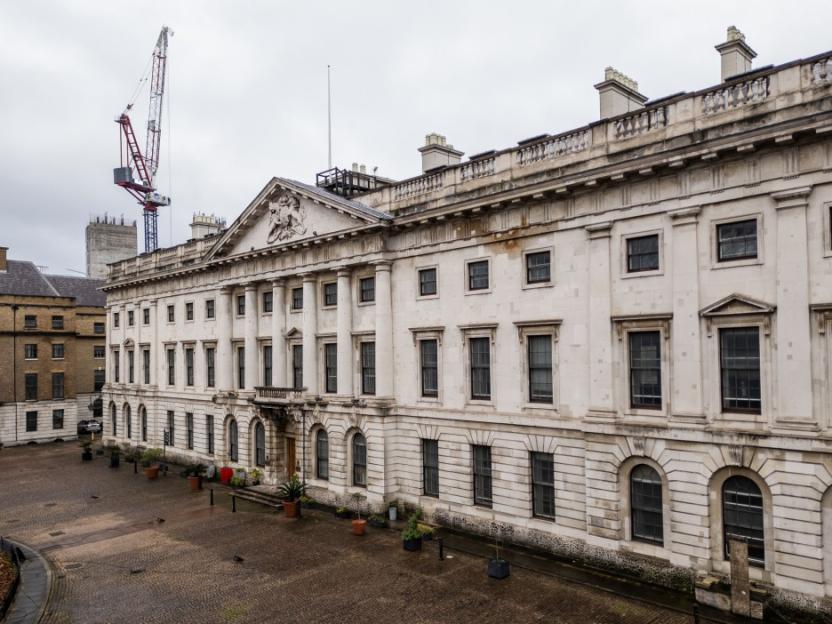
 Royal Mint Court, the site for the new Chinese Embassy near Tower Bridge Credit: Getty
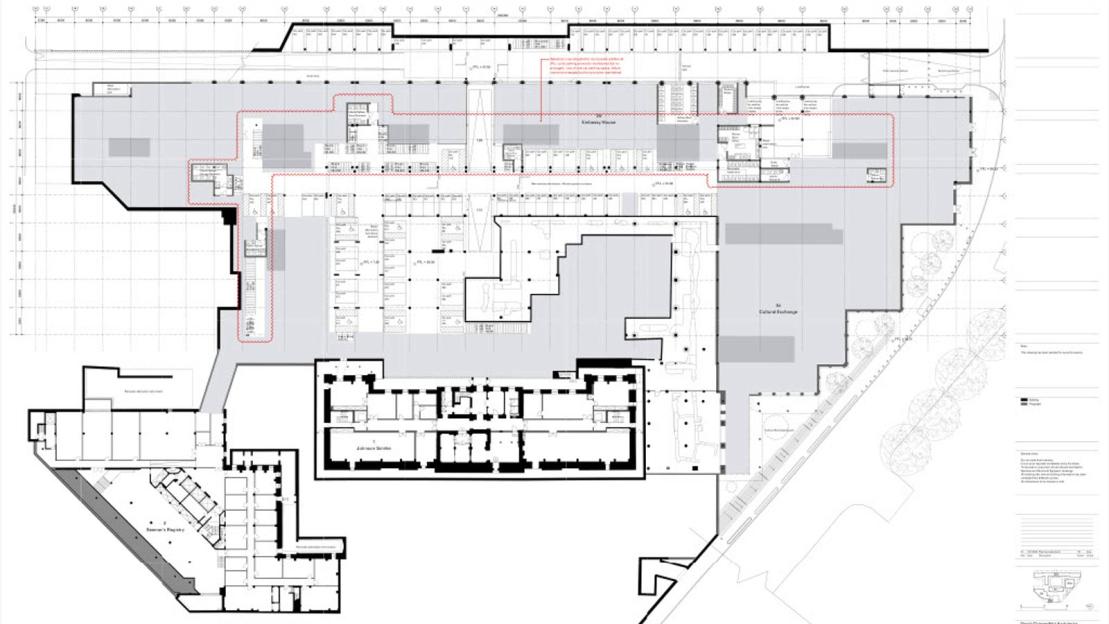 There are fears that hidden chambers beneath China’s London ‘mega embassy’ could be used as secret prisons Credit: David Chipperfield Architects
new super embassy in the capital has .
Now, Mr Yao, Taiwan’s de facto ambassador to the UK, said he feared Taiwanese MPs blacklisted by as “diehard Taiwan independence separatists” would be in danger when travelling overseas.
He told The Telegraph that a blacklisted individual risks being kidnapped by the Chinese secret .
And he warned that if it happens in the UK, these dissidents could be kept in the secret chambers of the mega-embassy.
Vincent Chin-Hsiang Yao told outlet: “Our concern is whether or not this mega-embassy in the future will be used as some sort of a detention centre for China to pursue dissidents overseas.
“I don’t think we can exclude this possibility because this is what they have been doing, not only against Hong Kongers but also against Taiwanese.”
The warning follows orders from the Chinese government for its to try blacklisted individuals in absentia on secession charges, which can carry the death penalty.
And because Beijing claims global jurisdiction for these state-security laws, blacklisted Taiwanese MPs face heightened risks while travelling abroad.
 The Royal Mint Court site was acquired by the government of the People’s, Republic of China in 2018Credit: Not known clear with picture desk
 Departing PM Keir Starmer shakes hands with Chinese President Xi Jinping ahead of a bilateral meeting earlier this year
Plans for the new embassy complex, which will be China’s largest diplomatic mission in Europe, have been controversial since they were unveiled in 2018.
British concerns have largely focused on espionage risks from the mission.
When construction plans for the near the Tower of London were given the green light by Housing Secretary in January, critics slammed the proposals as a security nightmare.
The building was once home to trading floor, so it is wired into City financial houses.
This has sparked fears that Chinese snoopers could tap into fibre optic cables to filch sensitive information.
Detailed plans for an underground complex that Beijing had sought to keep from public scrutiny were highlighted.
They included a hidden chamber to be built alongside sensitive communications cables transmitting financial data to the City and other internet traffic.
There are worries that the 208-room complex will be used to carry out espionage activities – and even to detain dissidents now living in the UK.
director general Sir Ken McCallum previously warned in a joint letter with GCHQ’s director: “MI5 has over 100 years of experience managing national security risks associated with foreign diplomatic premises in London.
“For the Royal Mint Court site, as with any foreign embassy on UK soil, it is not realistic to expect to be able wholly to eliminate each and every potential risk.
“And even if this were a practicable goal, it would be irrational to drive ’embassy-generated risk’ down to zero when numerous other threat vectors are so central to the national security risks we face in the present era.
“However, the collective work across UK intelligence agencies and HMG departments to formulate a package of national security mitigations for the site has been, in our view, expert, professional and proportionate.”
Shadow National Security minister Alicia Kearns said that granting permission would hand China “a launchpad for economic warfare at the heart of the central nervous system of our critical national infrastructure”.
But despite the security fears, departing PM gave the embassy the go-ahead before his visit to China in January.