FORGET high-tech clinics and pricey consultations.
The latest viral beauty craze sweeping and promises a flaw-free complexion with just the tap of a button.
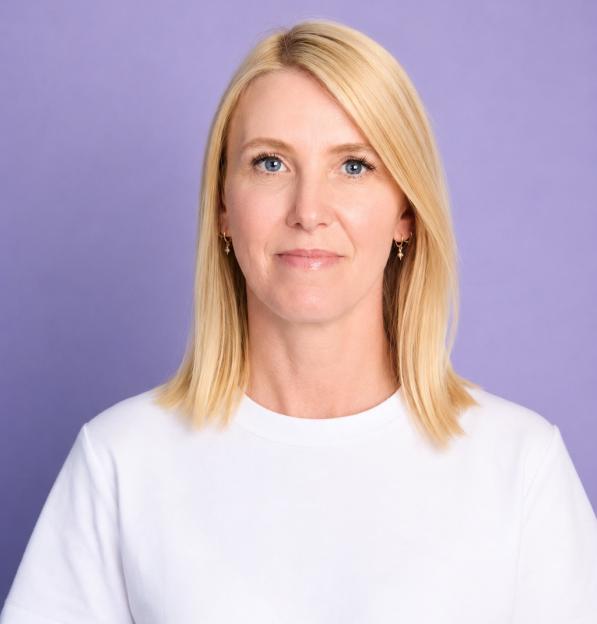
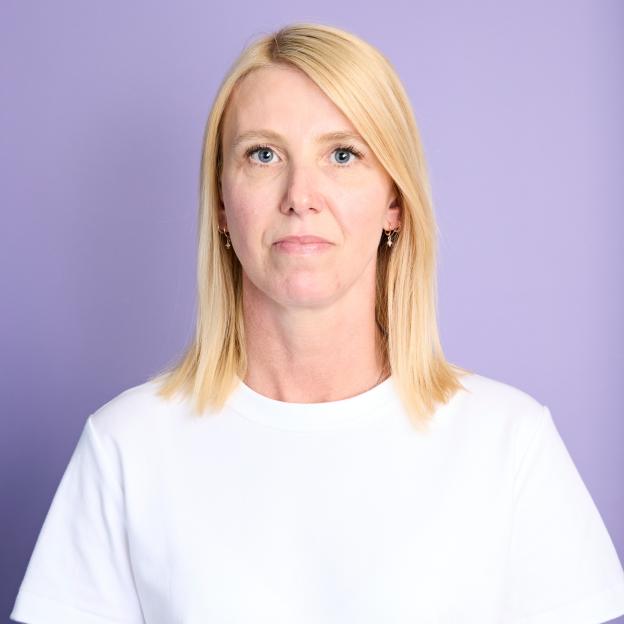 Lynsey Hope, above before putting her image through AI, says AI spotted her redness straight away Credit: Lorna Roach
 The AI-generated photo of what Lynsey could look like after using the recommended products Credit: AI image generated by Chat GPT
Enter the trend.
Users are frantically uploading raw, unfiltered selfies to the AI chatbot, demanding a ruthless, dermatologist-style takedown of their face.
In mere seconds, the digital brain dissects everything from invisible dehydration and microscopic pores to sneaky sun damage, serving up a personalised product routine and a brutal – or beautiful – skin quality score out of ten.
Gushing fans claim the tech-overhaul is saving them thousands by finally stopping them from buying the wrong creams. But can a computer algorithm really replace years of medical training? Or is it just throwing algorithmic darts in the dark?
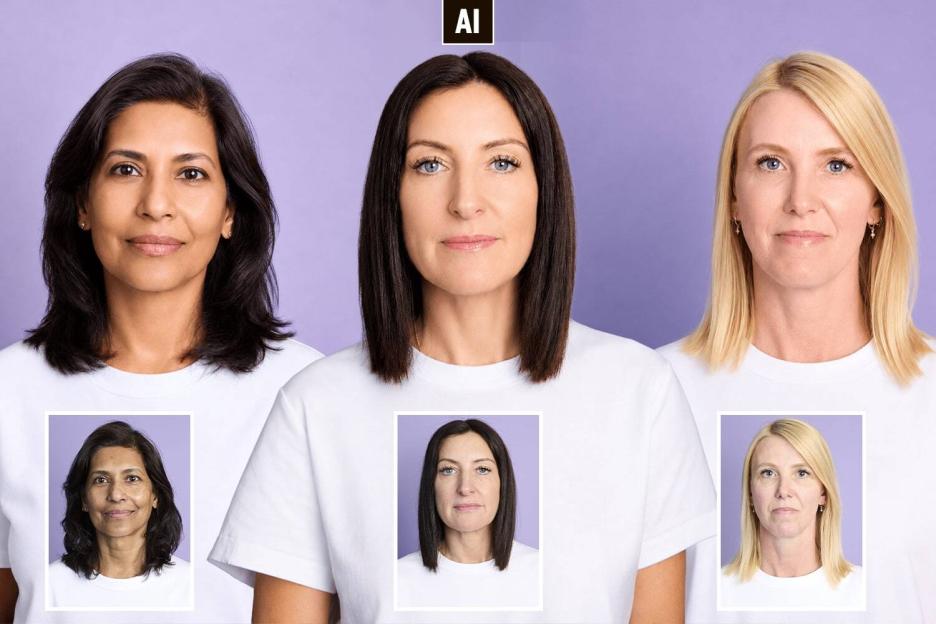
To find out if AI is the ultimate beauty savior or just a high-tech gimmick, we asked four brave volunteers to bare all for the chatbot.
Meanwhile, top dermatologist Dr. Thuva Amuthan, founder of the Dr.Derme aesthetic clinics, stands by to deliver the ultimate reality check…
‘Helpful and accurate’
LYNSEY Hope, 45, a writer and mum-of-three from West Malling, Kent, says: “IN my teens, I battled severe and rosacea.
It was so bad I had to take oral antibiotics and contraceptives to balance my hormones.
It eased as I reached adulthood, but since hitting my forties I’ve been battling redness and hormonal breakouts once again.
I uploaded my photo to ChatGPT and, in seconds, a full analysis was provided.
AI spotted the redness straight away, with the two-page report saying I had ‘mild rosacea-prone tendencies’.
It recommended using a product containing ceramides, which is actually something I’ve never tried.
Ceramides are fats that make up more than 50 per cent of the skin’s natural barrier, locking in moisture.
It certainly sounded like this might help me. ChatGPT also recommended using Vitamin B5 and Glycerin – again, I’ve never tried these – and reckoned I’ll see results in eight to 16 weeks.
It also suggested using retinol to boost collagen production and soften fine lines, which I already do, plus using some Vitamin C derivatives, which are good for sensitive skin.
The AI-generated photo of what I could look like after using the products was appealing.
And there was no mention of sun damage, which pleased me, as I’ve always applied sunscreen, even on cloudy days.
According to ChatGPT, there is dehydration around my mouth and lower face and I often feel dry in those areas.
I currently use a retinol product, which has been great for fine lines and wrinkles, but maybe it is aggravating my sensitive skin? Overall I found the report helpful and accurate.”
- ChatGPT Skin Quality Score: 7.5/10
Thuva says: “Lynsey’s was probably the most clinically plausible report.
The AI correctly identified central facial redness and sensitivity-prone skin, which fits with her known history of mild rosacea.
My main concern is that combining azelaic acid, retinoids and vitamin C may irritate sensitive or rosacea-prone skin, potentially worsening redness or stinging.
The AI should also have asked about flushing, eye symptoms, pregnancy and , and whether the redness is changing.”
‘Superficial fine lines’
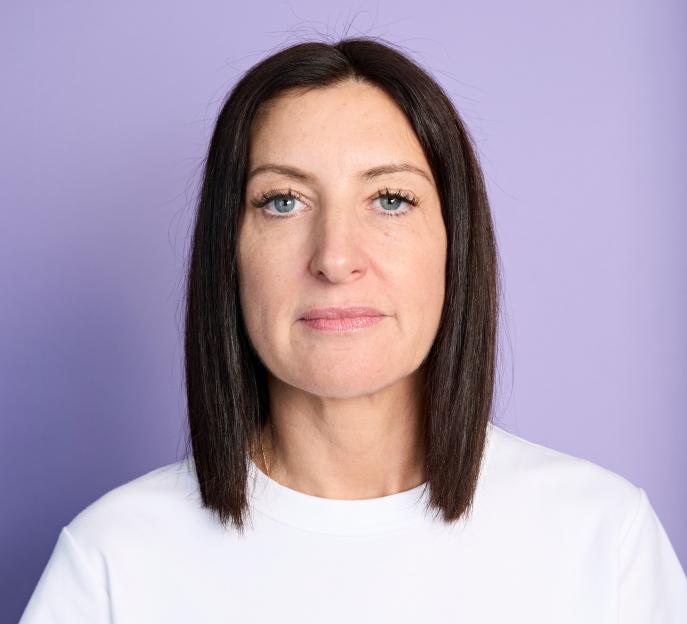 Daisy Price, above before AI’s report, says her skincare regime is pretty basic Credit: Lorna Roach News Group Newspaper
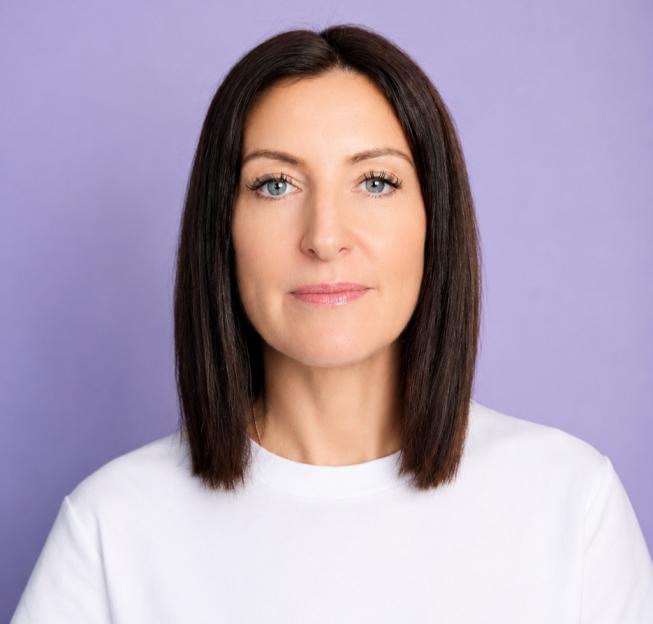 The AI-generated image of Daisy, whose biggest issue is hydration Credit: AI image generated by Chat GPT
DAISY Price, 51, a single mum-of-two and The Sun’s assistant editor, features, from Islington, North , says: “AT 51, my skin has been through a lot.
Back in my twenties, nobody warned us about the importance of SPF.
On holidays, I considered factor 15 to be wildly cautious. Mostly, I used oil – sometimes just regular olive oil straight from the kitchen cupboard.
Now, I’m much more careful in the sun, but my regime remains pretty basic: face wash, micellar water and whatever anti-aging moisturiser happens to be on offer.
Yet it feels like every time I look in the mirror, a new line has emerged that wasn’t there the day before. Surprisingly, ChatGPT was pretty kind.
It noted ‘mild-to-moderate visible aging changes, mild dehydration signs around the mouth and lower face, light redness in central facial areas, and fine textural irregularities’.
There was no suggestion that I needed to go under the surgeon’s knife just yet.
Instead, it suggested I incorporate retinol, Vitamin C, a hydrating serum and hyaluronic acid.
It also advised using Niacinamide (2–5%), Centella Asiatica and Allantoin to reduce redness. No, I’ve no clue what those last few are either, so I’ll be hitting next.
According to my AI report, my biggest issue is hydration, which it claims has caused “creasing around the mouth area” and “superficial fine lines.”
So it looks like I’ll need to somehow overcome my Diet Coke and addiction and start drinking gallons of finest Thames tap water instead.”
- ChatGPT Skin Quality Score: 8/10
Thuva says: “This was the least concerning report overall. The advice was fairly conservative, focusing on hydration, barrier support, sunscreen and gradual retinoid introduction.
These are sensible general skincare recommendations.
That said, the AI still makes assumptions about dehydration, barrier function and aging from one image, which is not the same as a proper skin consultation.
It should also have included clearer safety advice around retinoids.”
‘Analysis is fantastic’
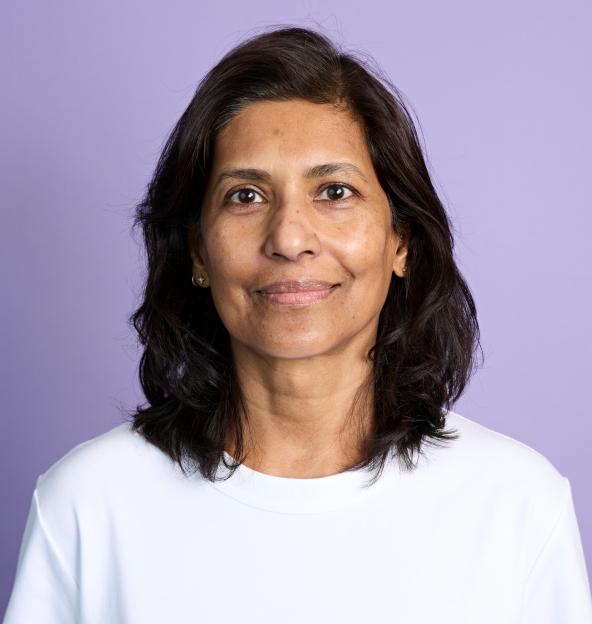 The raw, untouched image Ruby Hammer uploaded to ChatGPT Credit: Lorna Roach
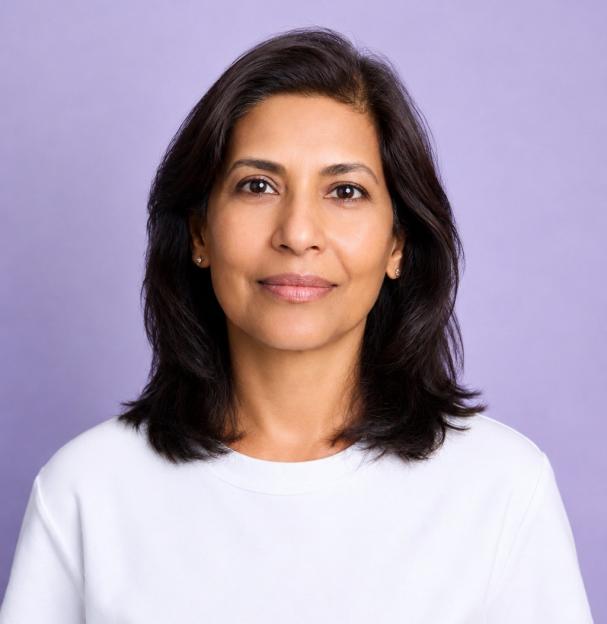 AI highlighted Ruby’s real life areas of concern in the report, pigmentation, dehydration and slight shadows Credit: AI image generated by Chat GPT
RUBY Hammer MBE, 64, a global artist and brand founder, from London, says: “LOOKING at the digitally-altered skin analysis in the ‘after’ pic alongside the raw, untouched image I uploaded to ChatGPT, my first reaction was shock.
I actually didn’t recognise myself, as it had altered too much of my natural facial structure, going far beyond looking at skin texture, tone and clarity.
However, it correctly highlighted my real life areas of concern – pigmentation, dehydration and slight shadows.
The skincare ingredients recommended are ones I commonly use already: Vitamin C, tranexamic acid for brightening, hyaluronic acid and ceramides to hydrate, and retinaldehyde for collagen support.
Though my skin also loves niacinamide for calming pigmentation and peptides for bounce, which was recommended by a dermatologist.
AI correctly identified sun exposure, too. I was born in and have worked on many photo shoots all over the world that exposed my skin to hot temperatures.
As a tool, the analysis is fantastic. But it doesn’t feel the texture of skin, evaluate its bounce, or observe it in real time.
A real life expert would have probed more deeply to understand the full reasoning behind issues, looking at environmental conditions and hormonal and seasonal shifts.
I can see smart analysis playing a huge part in skincare in the future, but the best results will always go hand-in-hand with the expertise and human touch of a real-life professional.”
- ChatGPT Skin Quality Score: 8/10
Thuva says: “The AI correctly focused on uneven pigmentation and made a helpful point that under-eye darkness may be structural, rather than purely pigment-related.
However, pigmentation in skin of colour needs careful assessment.
A photograph cannot reliably distinguish between melasma, post-inflammatory hyperpigmentation, sun damage, natural pigmentation variation, benign lesions or anything that may need medical review.
The suggested ingredients – Vitamin C, tranexamic acid, alpha arbutin and retinaldehyde — are reasonable in principle, but using too many can irritate skin and potentially worsen pigmentation.”
‘Pleasantly surprised’
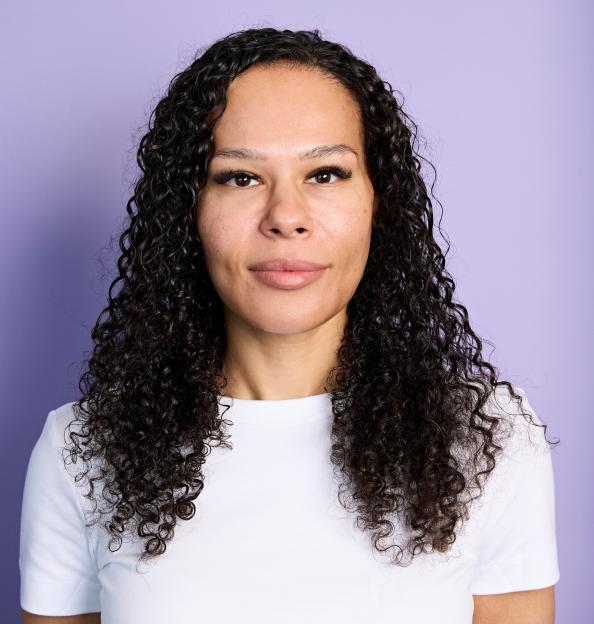 Amerley Ollennu says AI didn’t pick up on her acne and congestion Credit: Lorna Roach News Group Newspaper
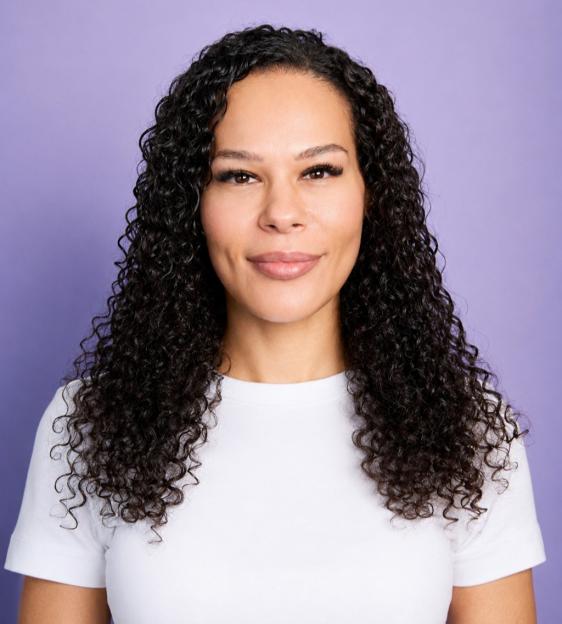 The AI-generated photo of Amerley Credit: AI image generated by Chat GPT
AMERLEY Ollennu, 42, a lifestyle and beauty editor, from Golders Green, North West London, says: “WHEN I’ve put the likes of ChatGPT to the (beauty) test in the past, it has often fed back the wrong information.
So, I was a little sceptical of an online AI assessment of my skin. Not only that, but as a melanated girlie, I am well aware that most dermatological texts depict skin conditions in Caucasian skin tones.
But despite my reservations I was pleasantly surprised and, overall, it was pretty accurate in its assessment of my skin.
I do have texture issues on my cheeks and pigmentation thanks to years of acne, and redness comes and goes.
What it didn’t pick up on was my acne and congestion, which was surprising. It’s one of my biggest bugbears when it comes to my skin and one of the hardest things to keep in check.
I actually use all the active ingredients that were suggested, such as Vitamin C and azelaic acid, but I use a prescription retinoid and I had been thinking of switching to retinaldehyde to see if I get less redness with a gentler vitamin A derivative.
I also use an exfoliating acid-based cleanser formulated for acne prone skin, but this assessment has made me rethink this strategy and switch to a gentle gel cleanser instead.”
- ChatGPT Skin Quality Score: 8.5/10
Thuva says: “This was a fairly reassuring AI report overall.
It correctly identified that the skin appears generally healthy, balanced and luminous, with only mild visible redness around the central face and subtle texture variation.
The advice around gentle cleansing, moisturiser, barrier support and daily sunscreen is sensible, and the report was right to be cautious about harsh acids or fragrance-heavy products if there is any sensitivity.
The main limitation is that the AI sounds more precise than it can really be from a single photograph.
Barrier , pore appearance and overall skin quality cannot be reliably measured from an image alone.”