FOUR dogs are stolen every day in the UK, despite an 11 per cent decline in dog thefts last year.
The most popular dog breeds are still at risk, according to a study, and pet owners should take steps to prevent their pups.
 Over 1,600 dogs were stolen in 2025, according to studies by Direct Line pet insurance Credit: Getty
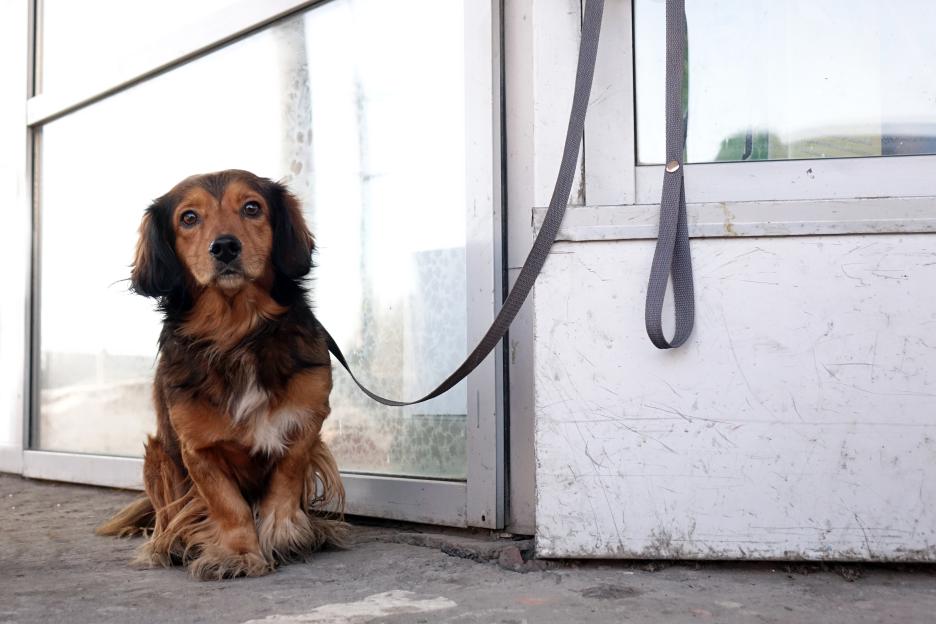 London was the most likely location to get your dog stolen last year Credit: Getty
Last year, 1,626 were stolen across the UK, new analysis of police data by Direct Line has revealed.
This brings the total number of dogs stolen to over 25,000 in the past 11 years, with the most popular dog breeds still frequently targetted.
London, West Yorkshire and Kent were listed as the most likely areas to record dog thefts in 2025, with seeing a 161 per cent rise in rates.
French Bulldogs remain the most commonly stolen breed, with 39 reported stolen in 2025, with crossbreeds also regularly targeted.
The most common dog breeds to be stolen
According to Aviva, the most stolen dog breeds in 2025 were:
- French Bulldog – 39 stolen
- Staffordshire Bull Terrier – 37 stolen
- Crossbreeds – 33 stolen
- English Bulldog – 27 stolen
- German Shepherd – 22 stolen
- Dachshund – 16 stolen
- Border Collie – 14 stolen
- Cocker Spaniel – 10 stolen
- Chihuahua – 8 stolen
- Cane Corse – 8 stolen
 French Bulldogs were the most stolen dog breed in 2025 Credit: Getty
Staffordshire Bull Terriers, German Shepherds and English Bulldogs were also commonly stolen, with Dachshund thefts increasing by 129 per cent.
Out of the 1,626 stolen, an estimated 344 were returned to their owners, equating to a 21 per cent return rate last year.
However, nearly four in five stolen dogs remain missing, and many pet owners will not be reunited with their dogs.
Annalisa de Carteret, pet loss support manager at Blue Cross, said: “The uncertainty of not knowing where your pet is, or if they are safe, can be just as painful as bereavement, but without the closure that comes with it.
“This can make the trauma even harder to process, especially for children who may be left distressed and confused by the sudden loss of a cherished member of the family.”
According to Direct Line, pet theft rates have improved following the introduction of the Pet Abduction Act in May 2024, which made it a specific criminal offence to steal .
Still, 50 per cent of UK adults worry about their dogs being stolen, with one in six being seriously concerned that their pet could be targeted.
However, while 38 per cent of dog say they would never leave their dog unattended, only 9 per cent of Brits walk their dogs using a “theft-proof” lead, and 10 per cent of owners say they would take no precautions at all.
There are many ways owners can be proactive against dog theft, with the best methods including microchipping your pups and being cautious about posting pets on social media.
Other methods are simple, including never leaving dogs unattended, staying alert while walking, and securing all gardens and gates in your household.
Adam Burgin, head of trading and customer at Direct Line, said: “Any reduction in dog theft is welcome, but it’s important not to confuse lower numbers with lower risk.
“More than four a day were still stolen in 2025 and, with over 25,000 dogs taken in the last 11 years, it’s clear this issue hasn’t gone away.
“While it’s encouraging to see more dogs reunited with their families, the reality is that most stolen dogs still don’t come home.
“Thieves can strike at any time, so taking preventative steps – such as keeping pets identifiable, ensuring microchips are up to date, and remaining vigilant – can make a real difference.”