WHEN CHLOE Marie Gallagher first started feeling unwell, she had no idea her life was about to change forever.
The 33-year-old from Rotherham, England, was juggling work, motherhood and everyday life when strange symptoms began creeping in.
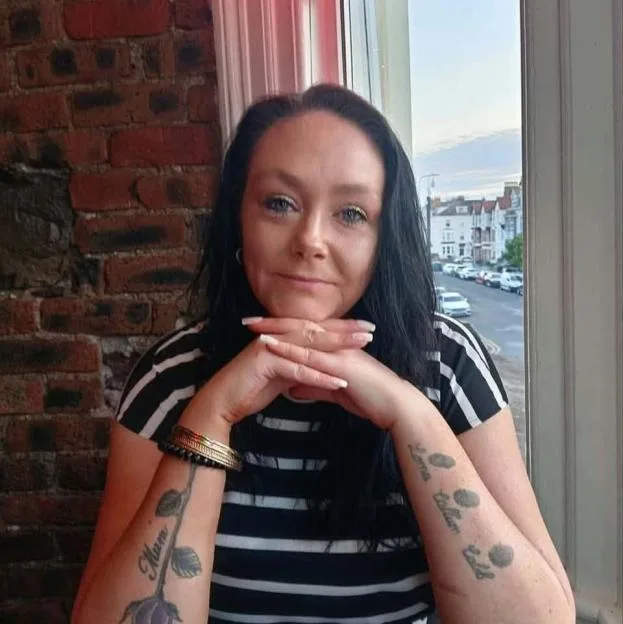
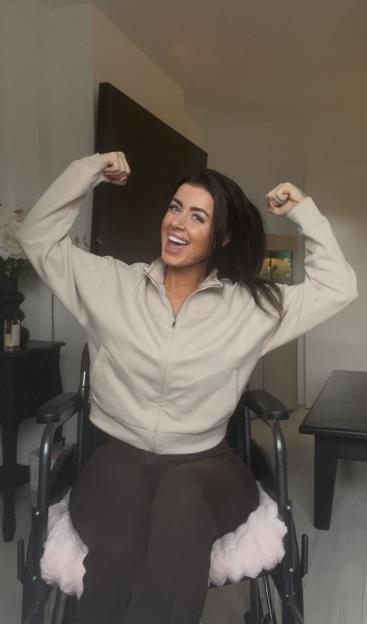 Chloe-Marie Gallagher started experiencing worrying symptoms in early 2025Credit: chloemarie1992/Cover Images
“I just knew something wasn’t right,” Chloe says.
“But every time I went to A&E, I was told my tests were normal and sent home.”
Earlier in 2025, Chloe’s began to unravel slowly and confusingly. It started with severe kidney pain that had no clear cause.
The pain was intense enough to send her repeatedly to hospital, but doctors couldn’t find anything wrong.
Then came fainting episodes, dizziness and extreme exhaustion that didn’t fix.
“I had light sensitivity, brain fog so bad I couldn’t think straight, and fatigue that wiped me out,” she says.
“I started repeating words and phrases without meaning. At the time, I didn’t realise all these things were connected.”
Chloe had been working as a beautician, a hands-on job she loved.
But as her symptoms worsened, concentrating became harder – as she started experiencing tremors, muscle weakness and frightening changes to changes to her speech.
“Looking back, my body was trying to tell me something was seriously wrong,” Chloe said.
“I just didn’t have a diagnosis or a name for it.”
The turning point came when Chloe started experiencing terrifying stroke-like symptoms, and she was rushed to hospital.
“I suddenly became paralysed down my right side,” she said.
“My hand and foot turned blue and swollen. I was confused and couldn’t speak.
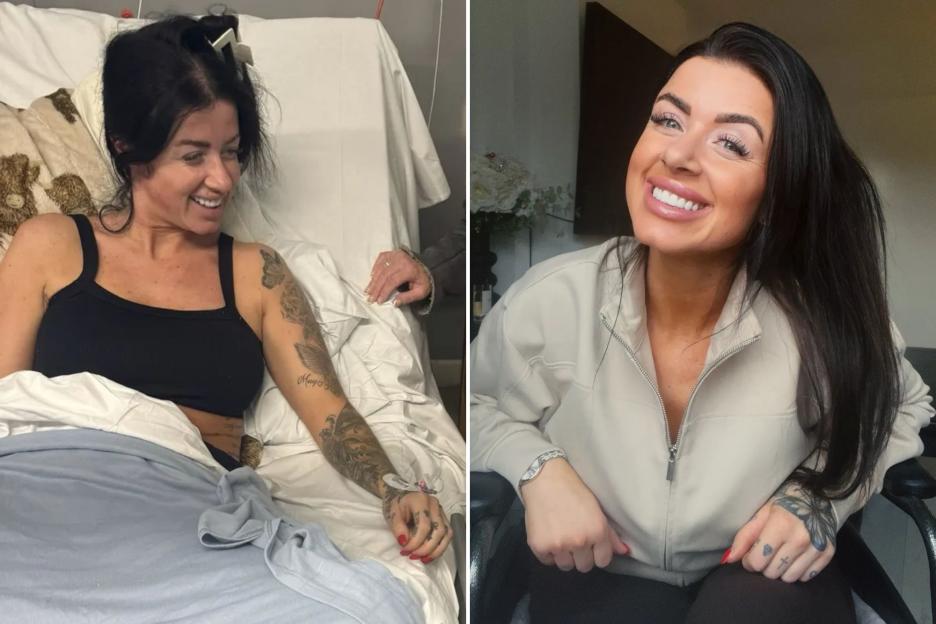
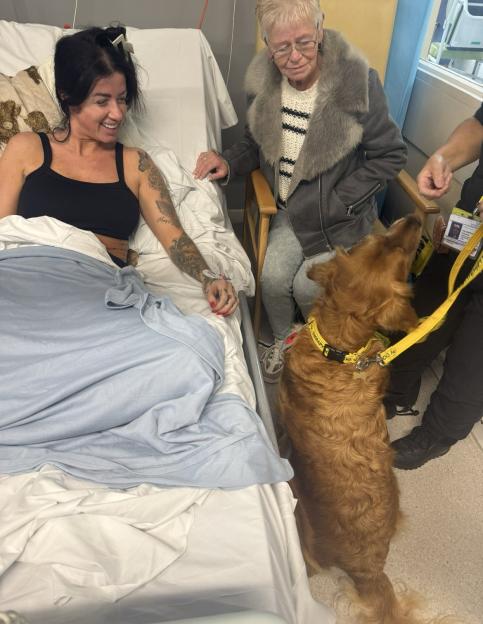 Chloe was rushed to hospital with stroke-like symptomsCredit: chloemarie1992/Cover Images
“It was like my body just shut down.”
Chloe was admitted to hospital and seen by a neurologist three days later.
After clinical tests, she was diagnosed with Functional Neurological Disorder, known as FND – a condition she had never even heard of.
“In that moment, everything made sense and nothing made sense at the same time,” Chloe said.
“I finally had answers, but I also realised my life had changed forever.”
Daily struggle
Today, Chloe lives with a long list of symptoms that can change from day to day and sometimes hour to hour.
She experiences tremors, especially when overstimulated or trying to concentrate, and she stutters, struggles to find words, and can even lose her voice completely for minutes or hours.
“I’m currently relearning how to walk,” Chloe said.
“I use a frame and a wheelchair, depending on the day.
“Mornings are the worst because my muscles cramp and spasm overnight. The pain can be unbearable.”
Chloe also experiences non-epileptic seizures that leave her completely exhausted.
“If I have one, that’s usually me done for the day,” she said.
What is functional neurological disorder?
FUNCTIONAL neurological disorder is a “brain network disorder,” according to UK charity FND Action.
The brain is unable to send and receive messages correctly, affecting all parts of the body.
Some symptoms, particularly if not treated, can result in substantial disability.
Treatment includes “retraining” the brain with specialised physiotherapy, distraction techniques and psychotherapy.
But some 70 per cent of sufferers have the same or worse symptoms ten years later.
The exact causes of FND are unknown.
Symptoms can appear suddenly after a stressful event or with emotional or physical trauma, including a head injury, migraine, surgical procedure or vaccination.
It can occur as a result of several factors working together, for example, the brain shutting down after perceiving a threat or trying to avoid pain as well as a genetic vulnerability to the condition.
It is estimated that up to 120,000 people in the UK have FND, and there are a further 10,000 new cases per year, according to The Brain Charity. But most people have never heard of it.
“Every symptom is unpredictable and that’s one of the hardest parts of FND.”
“If I’ve had little or no sleep, I wake up feeling like I’ve been hit by a brick,” Chloe explained.
“My muscles are painfully tight, I can’t stand even with aids and I need constant care.
“Communication becomes overwhelming and everything feels amplified. Some days I spend the entire day in bed.”
Good days look very different, but they’re not symptom-free.
“A good day means manageable,” Chloe said.
“Less pain, more movement, being able to use my aids and spend time with my family. Those days remind me that progress doesn’t have to be fast to be real.”
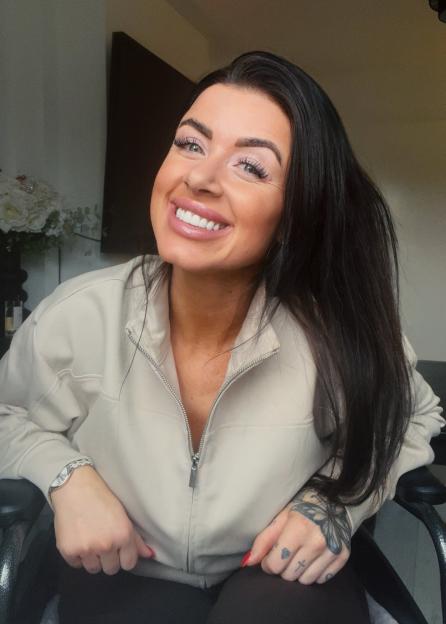 Chloe wants to raise awareness around FND and documents her life on TikTokCredit: chloemarie1992/Cover Images
As a mum-of-three, the impact has been huge.
Chloe’s eldest son is 11 and autistic, she also has a seven-year-old son and a four-year-old daughter.
“Being their mum is my greatest motivation,” she says.
“Even on my hardest days, they’re the reason I keep going.”
Despite growing awareness online, FND remains widely misunderstood and this is something Chloe is passionate about changing.
“The biggest misconception is that because there’s no structural damage to the brain, it isn’t real,” she says.
“That couldn’t be further from the truth.
“FND is not ‘all in our heads’. It’s an involuntary neurological condition where the brain and body stop communicating properly.
“It’s terrifying when it happens. We don’t choose this. We don’t control it.”
Managing day-to-day life now revolves around pacing and listening to her body.
“I use mobility aids, avoid triggers like exhaustion and overstimulation, and stick to routines that help regulate my nervous system,” Chloe said.
“I rest when I need to without guilt. That took time to learn.”
She no longer works as a beautician, as her condition makes treatments impossible.
“Losing my career was heart-breaking,” she admitted.
“It affected my independence and my confidence. Learning to accept help has been one of the hardest lessons.
“I refuse to let FND define me,” she says.
“Being a mum, advocating for awareness, and knowing that my voice could help someone else. That’s what keeps me going.”
Chloe shares her journey on TikTok, documenting the reality of living with FND.
“If sharing my story helps even one person feel seen, believed or understood, then it’s worth it,” she stated.
Chloe is also a director of FND Together We Rise CIC, an organisation created to ensure people living with Functional Neurological Disorder are seen and supported.
“Too many people with FND face delayed diagnosis, dismissal and stigma,” she said.
“Our mission is to raise awareness, build community, and push for better understanding and care not just for patients, but for their families too.
“FND can be frightening and life-altering, yet it’s still so misunderstood,” she says.
“Advocacy felt necessary. I wanted to help create a future where people with FND are met with compassion and belief, not disbelief.”
She credits her family for helping her survive the darkest moments.
“My biggest supporters are my family, especially my children, my mum, my partner, my baby sister and my grandparents,” Chloe said.
“They believe in me even when I struggle to believe in myself.”