EVERY day, John Manitara is forced to watch his wife fade away, slowly losing the the woman he loves to a ‘soul-snatching’ disease.
Almost overnight, he says Gillian, 62, changed and now she lives in an almost vegetative state, unable to even open her eyes, with just years left to live – after they mistook her symptoms as the .
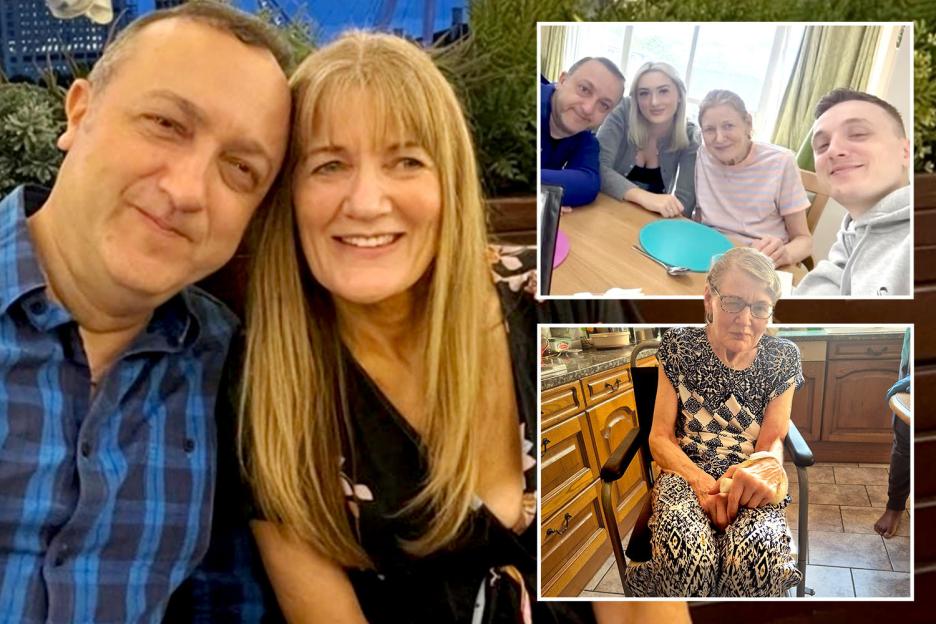
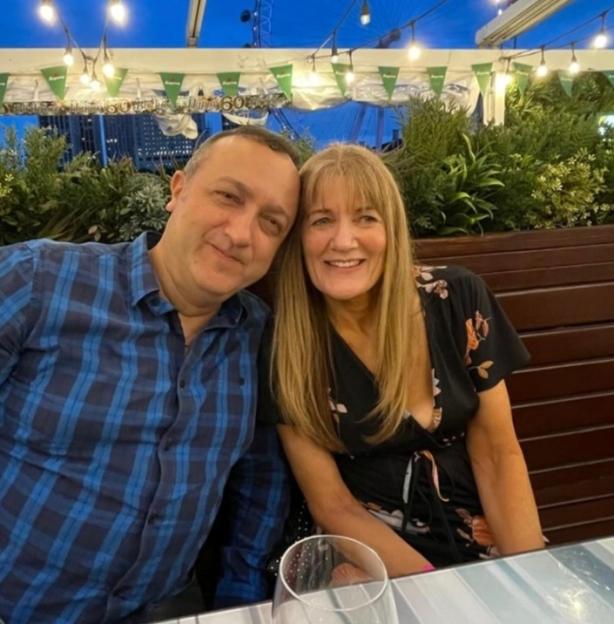 John Manitara’s bubbly wife Gillian changed overnight as she battled a heartbreaking neurological disorder Credit: Jam Press
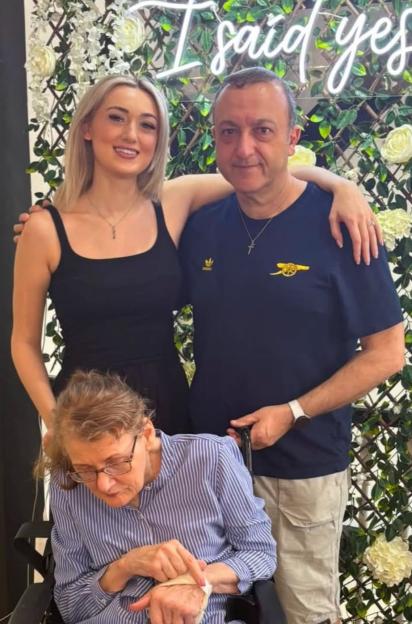 John, also pictured with daughter Anna, initially put Gillian’s strange behaviour down to the menopause Credit: Jam Press
“I feel I have lost my partner and soulmate,” says John.
“Even looking into her beautiful blue eyes, which barely open these days.
“I miss absolutely everything about her.”
Gillian’s daughter, Anna, 26, says: “One of the hardest parts is grieving the mother-daughter bond we used to have.
“All the little moments you never think twice about until they are taken away.
“Sometimes I find myself listening to old voice mails or reading through old text messages just to feel close to her again.”
When John met Gillian, he was instantly smitten, falling in love with her bubbly personality, heart of gold and passion for enjoying life to the max.
But then, suddenly, all of that was taken away – and the person he once knew became somebody he no longer recognised.
Now, he and their two kids, Andrew, 32 and Anna are grieving the loss of her, even though she’s still alive.
“It’s like waking up to a living nightmare each day,” the founder and trustee of a community interest company and a charity, from Essex, told Sun .
“Her love is there, but everything else feels lost.
“I wish I could do a body swap and take her place, rather than watching her suffer so much.
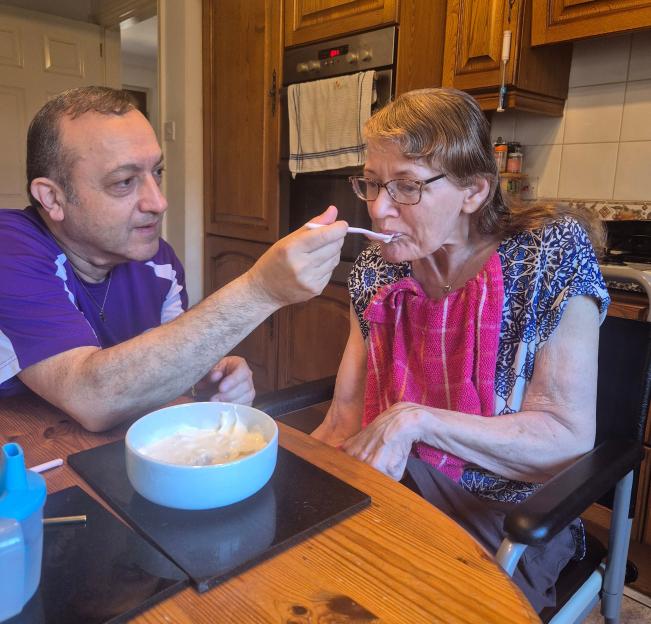 It’s like waking up to a living nightmare each day, says John Credit: Jam Press
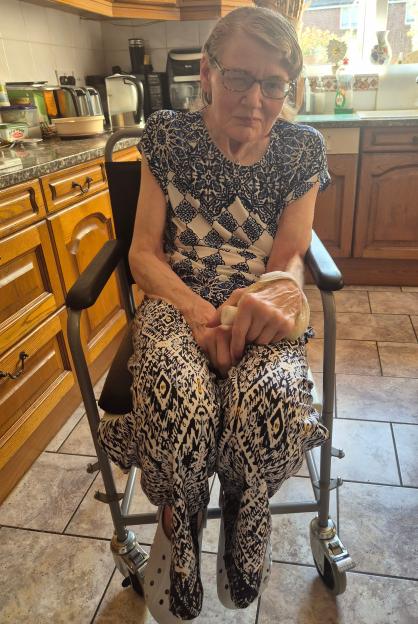 In autumn 2023, Gillian was initially diagnosed with dementia but it was corrected to progressive supranuclear palsy Credit: Jam Press
“It’s a living bereavement, and I dread a future without her.”
Gillian, a former receptionist for fashion brand French Connection UK, started to act out-of-character in late 2022, then aged 58.
She began experiencing falls and displayed signs of irrational, as well as impulsive, behaviour, such as disappearing to purchase something without informing John while waiting for a train, and almost falling prey to phone scammers.
John, 62, thought it could be the menopause; until May 2023, when she suffered a car crash with no other car involved and just appeared dazed.
He says: “Her reaction was low-key and almost nonchalant. It was very unlike her.
“She seemed so oblivious and like a lost soul.”
In autumn 2023, Gillian was initially diagnosed with ; early-onset describes when symptoms start earlier than the age of 65 years old.
But this was corrected to progressive supranuclear palsy (PSP) as her condition rapidly declined in early 2024.
The neurological disorder is caused by a build-up of a certain protein, tau, which damages brain cells, causing symptoms such as balance issues, cognitive impairment and movement difficulties.
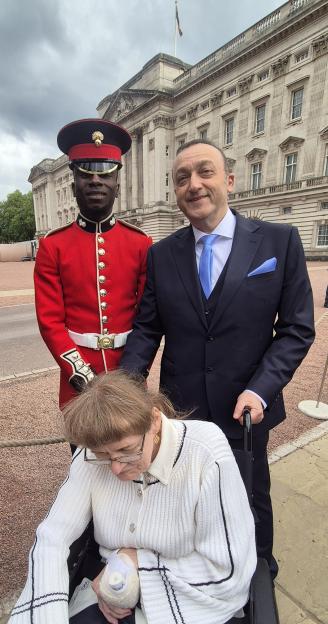 I wish I could do a body swap and take her place, rather than watching her suffer so much, heartbreakingly says John Credit: Jam Press
It’s estimated that between 5,000 and 10,000 people are living with the condition at any given time in the UK, says PSPA – the only UK charity for the condition.
Around 60 per cent of people are initially misdiagnosed with other conditions, including , a or . It takes up to three years for someone to get the correct PSP diagnosis.
From the outside, it can appear very similar to Parkinson’s disease, though this worsens at a faster pace and has no cure.
John says: “Almost overnight, she became unfit to work and required supervision for peace of mind.
“She needed help doing everyday things, such as cooking, washing and cleaning.
“At one point, Gillian left the taps running and the gas on and I couldn’t relax in case something else dangerous happened.
“Eventually, she used to fall when getting up in the night and couldn’t bathe herself, nor dress properly like before.
“I went from being her husband to becoming her carer. It was devastating.”
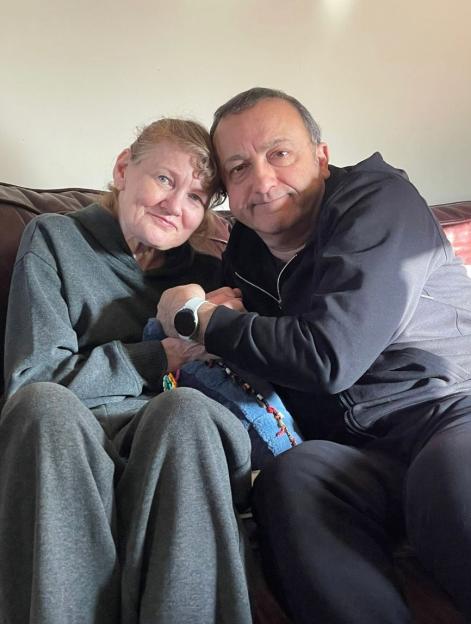 PSP can appear very similar to Parkinson’s disease, though this worsens at a faster pace Credit: Jam Press
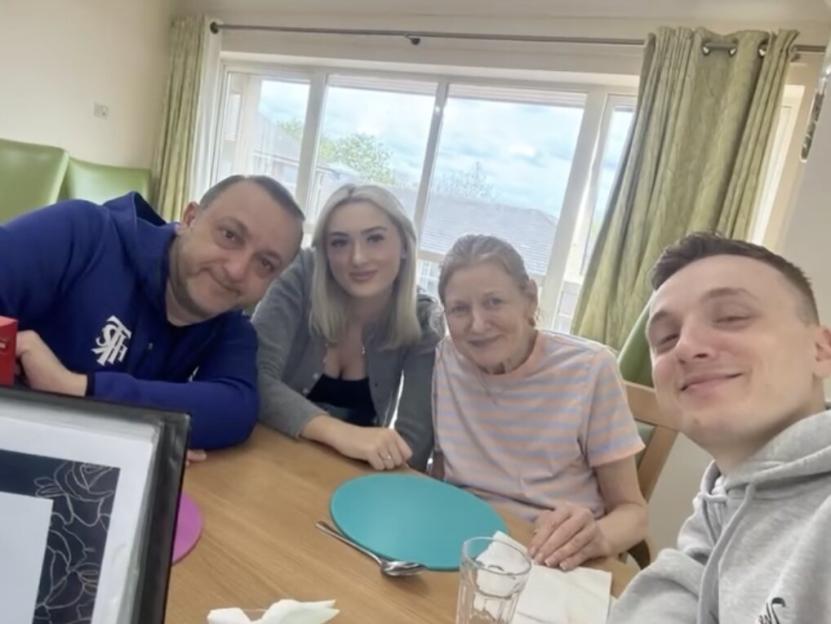 Gilly, John and their children Credit: Jam Press
As there’s no cure, it’s estimated that those with PSP only live for around six years from the onset of symptoms.
Now, although they receive 24/7 support, it hasn’t been an easy battle.
John says: “I was at the end of my tether when we finally received the support required.
“We have had to fight every step of the way to get the right support, and most of it has come much later than expected.
“Time isn’t something we’ve got. It’s been an emotional rollercoaster.
“Our children miss her motherly advice, phone calls and everything that a mum does to support her children.
“Words cannot convey the heartache and pain we feel.
“I miss hearing her lovely voice and chatting about everyday things.”
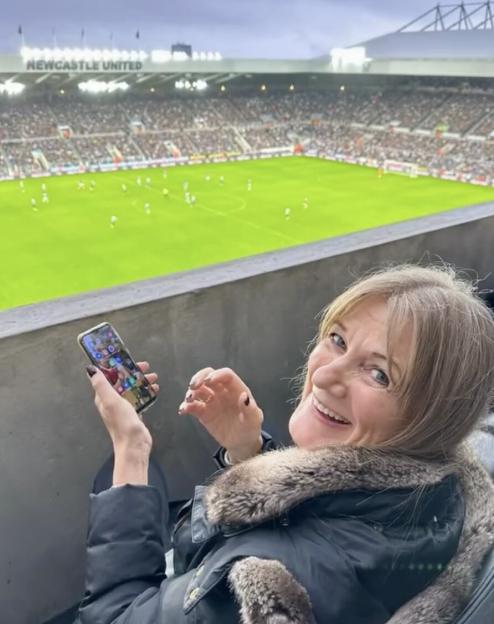 John and Gillian had planned to grow old together and retire somewhere in the sun Credit: Jam Press
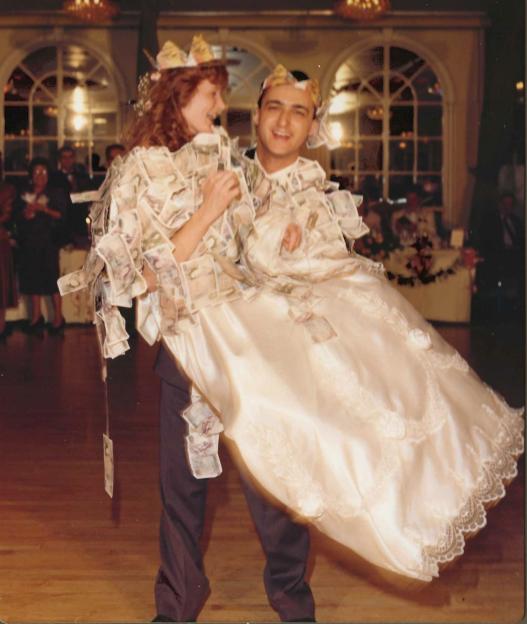 John and Gillian on their wedding day Credit: Jam Press
With both their children getting married – Andrew’s wedding is this year and Anna’s is next – it’s a stark reminder of their reality.
John says: “Gillian will be attending our son’s wedding, but this sadly won’t be the case for our daughter’s. It’s unlikely she will be around then.
“We managed to take her wedding dress shopping to help Anna find the right one.
“She gave a thumbs up and we all cried. It was heartbreaking.”
Anna says: “Every time I see her, all I want is to wake her up from this cruel illness.”
John and Gillian had plans to grow old together and retire somewhere in the sun.
But now, this won’t ever happen, as John says: “Her mobility is minimal and her food needs to be cut into tiny pieces or processed to avoid choking, as well as needing to be fed.
“She is totally dependent 24/7. She is almost in a vegetative state – but still responds through smiling even though her eyes are closed.
“I feel lost and empty, but I am determined to raise awareness, despite it being too late for my Gilly.
“Unfortunately, time is something we no longer have together.
“I just want my wife to be as comfortable as possible for the remaining moments we have.
“Life can be very cruel, but our love is eternal.”