BATHROOMS are notoriously small, practical rooms that often don’t come with much space for storage.
Which is why homeowners try to get creative with their space so it doesn’t feel cluttered and cramped.
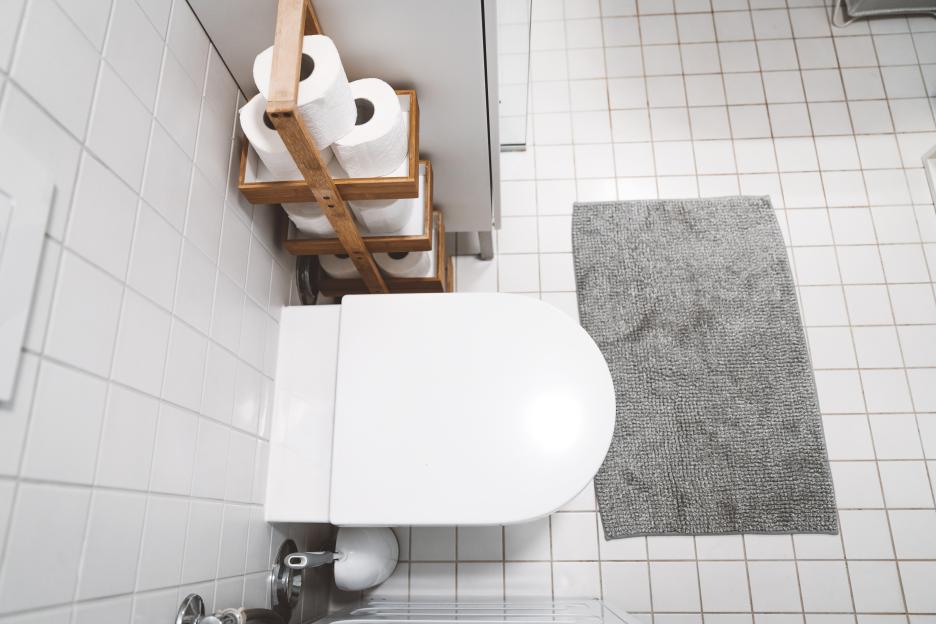 Bathroom experts have warned against a quirky trendCredit: Getty
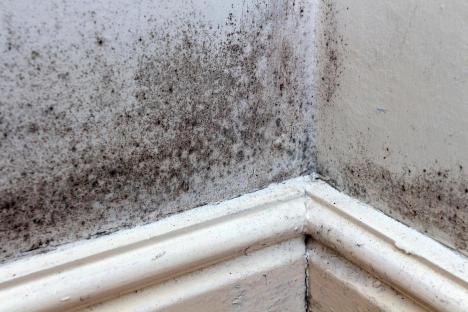 They explained that it can cause mould to growCredit: Alamy
And one thing that many of us do is use baskets or decorative containers to hold extra rolls of toilet paper.
This trend has become increasingly popular in modern bathroom design, and not only does it feel practical, but it also has an aesthetic appeal.
It certainly looks a lot better and more decorative than leaving a few extra rolls out sitting awkwardly in the corner.
However, experts have now warned that this design trend could cause dampness and mould to form.
While it’s a common problem in homes across Scotland during winter months, it can be very difficult to get rid of, and can even be dangerous to our health if left untreated.
And leaving rolls of toilet paper out in the bathroom could actually be making the situation worse.
Brian Toward, bathroom expert and CEO of Glasgow-based Wholesale Domestic , explains that toilet paper is far more vulnerable to moisture than many homeowners realise.
He says: “Bathrooms are consistently humid spaces, even long after showers and baths have finished.”
“Toilet roll is highly porous, meaning it can quickly absorb moisture from the air.
“When it’s stored in open baskets or on exposed shelving, it can quickly become damp, creating ideal conditions for mould to grow.”
He goes on to explain that while most people focus their mould prevention efforts on tiles, grout and sealant, everyday bathroom items are often overlooked.
Brian continues: “There’s a misconception that mould only affects hard surfaces.
“But soft and absorbent materials like toilet paper can be another place mould develops, especially in bathrooms with poor airflow or limited ventilation.
“Mould is one of the most common problems we see in bathrooms, particularly in rental homes and older properties where ventilation isn’t always the best.
“Something as simple as where you store your spare toilet rolls can make a real difference.”
To reduce the risk, Brian advises opting for sealed or enclosed storage solutions.
If this isn’t possible, he has encouraged homeowners to keep toilet paper well away from showers, baths and other high-humidity zones.
He says: “Using closed containers or cupboards doesn’t mean sacrificing style.
“There are plenty of practical storage options that look good while protecting bathroom essentials.
“Small changes like this can help reduce mould growth, improve hygiene and avoid bigger issues further down the line.”
How to get rid of mould on a budget
JIMMY Englezos, a DIY expert from Ronseal, has shared his top tips on how to get rid of mould inside the home on a budget.
He said: “As a general rule, when removing mould, open the windows of the room to ventilate the area and keep the door to the rest of the home closed to prevent mould spores from spreading.”
1. Mould spray
“Specialised mould treatments can be picked up from various retailers and used to directly spray the surface to treat mould growth.
“Use a damp cloth or sponge to wipe down the surface and remove the mould. Once the mould has been removed, wipe off the residual with a clean dry cloth to remove the rest of the moisture.
“Dispose of the cloth and vacuum the room to remove all spores.”
2. Washing up liquid
“The same technique can be done using washing up liquid and water instead of the spray – however, it may not be as effective for larger areas.
“The method is also cheaper as washing up liquid can be bought for as little as 62p. Be careful when removing mould from wallpaper, as too much water can cause it to bubble.”
3. White vinegar
“This staple kitchen ingredient can be very effective in cleaning and removing mould and can be picked up for as little as 35p. To remove mould, mix a solution of one part vinegar and water in a spray bottle.
“Spray on the affected areas and leave for an hour. After this, wipe away the vinegar residue using a damp cloth which should remove the mould. This solution is ideal for kitchens as it lacks chemicals.”
4. Bleach
“Like white vinegar, a solution can be created using household bleach which can be picked up from 60p.
“Mix one part bleach and four parts water before using a cloth to wipe the solution across the wall, scrubbing gently to remove the mould.
“Wipe away the bleach residue and dry the area, making sure a separate cloth is used. Be aware bleach can change the colour of walls, resulting in patches and light drip marks.”