GARDENERS are being warned to double-check their waste this summer.
A massive overhaul to bin laws, known as the Simpler scheme, has introduced rules for separating core household waste streams.
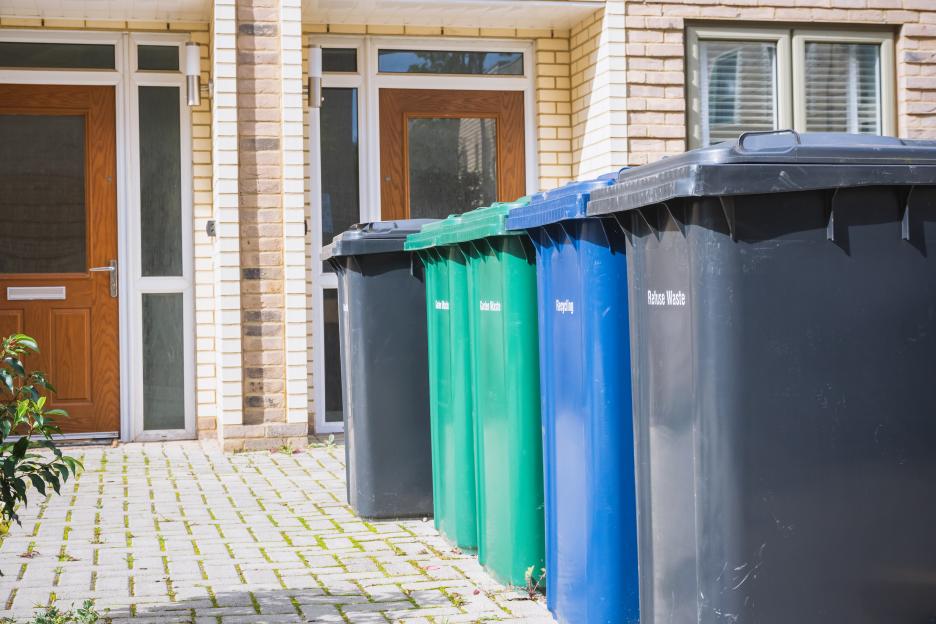 New regulations have changed the laws on recycling common garden waste Credit: Getty
 Failing to follow recycling rules can lead to a fine of up to £80 Credit: Alamy/PA
Under the new rules, councils must collect food waste, mixed recycling, paper and cardboard, and general waste separately.
While local authorities are legally required to offer waste disposal collections, they can charge you for it, and they are getting picky about what goes inside.
Throwing incorrect items in your recycling bin is not just a mistake, it is potentially breaking the law.
If you are caught contaminating your bin with banned items, the Government could slam you with a Fixed Penalty Notice of up to £80.
Key garden items that must not be recycled
Recycling these items can risk a fine of up to £80
- Animal bedding – Some councils may allow the collection of hay, straw and bedding from rabbits and guinea pigs. Pet blankets and beds must be taken to a Recycling Centre, however.
- Bricks – Must go to Recycling Centres
- Bulky waste (including garden furniture and fencing) – Local authorities can offer separate bulk waste collection services.
- Garden tools – These can be taken to a Recycling Centre and, depending on quality, charity shops or local community groups.
- Gardening Equipment – Taken to Recycling Centres, or donated to charity shops and community groups if they are a good quality.
- Gravel – Must go to a Recycling Centre.
- Plant pots – Must go in waste bin, or alternatively, garden centres offer plant pot return programmes.
- Plastic – Certain types of plastic cannot be recycled. If uncertain, these items should go to Recycling Centres.
- Sand – Cannot be recycled, but can be put in compost heaps or the base of plant containers.
- Sawdust – Secure with a plastic bag to dispose of as general waste.
- Stone – Must go to Recycling Centres.
- Tea bags or coffee grounds – These items are compostable at home.
- Branches and trees of a large size – If trees are too large, they should be chopped into smaller sections to follow local guidelines. They can then be taken to a Recycling Centre.
This , before throwing your garden waste in the recycling, there is a list of specific common items that cannot be recycled.
Other items used at home have also caused issues, such as glass, metal, plastic and paper.
General items such as general kitchenware, metal packaging, plastic packets labelled as “compostable” or “biodegradable” and tissue cannot all be put in a recycling bin.
For further details on what is considered , local authorities will be able to give specific instructions on what can be disposed of where.
Those wanting to recycle correctly should also be aware that some local authorities are exempt from this law until 2040, and these rules may not apply to them.