WORLD CUP matches secure a stadium’s place in the football history books.
But years on from the momentous occasions when giddy fans from all corners of the globe filled their stands, some formerly iconic grounds have been left to rot.
 The 23rd Fifa World Cup will be held in the USA, Canada and Mexico later this year Credit: AFP

FOLLOW all the build-up to next summer’s including England updates, ticket news and Donald Trump’s latest plans.
From innovative designs used at the in 2022 to historic stadiums designated for older European editions of the tournament, a handful of once-glitzy venues are now shadows of their former glory.
And we could be looking back, years from now, on the arenas left behind from in the United States, Canada and Mexico.
But for now, SunSport takes you on a trip through 10 World Cup stadiums that time forgot…
Arena BRB Mane Garrincha (Brazil 2014)
This 72,000-seater stadium in the Brazilian capital, Brasilia, staged seven matches in the South American footy bonanza of 12 years ago.
And at the time of its £250MILLION redevelopment in 2010, it was the second most expensive football ground ever.
That makes the fact it has been left pretty much desolate since hosting matches at the 2021 even more painful.
Because Brasilia doesn’t have a prominent football team, the stadium – named after Brazilian football legend Garrincha – has been left without a high-profile tenant.
Now, the Mane Garrincha, which costs about £1.5m a year to maintain, is used for random events like tattoo festivals and food expos, while the car park has been turned into a bus depot.
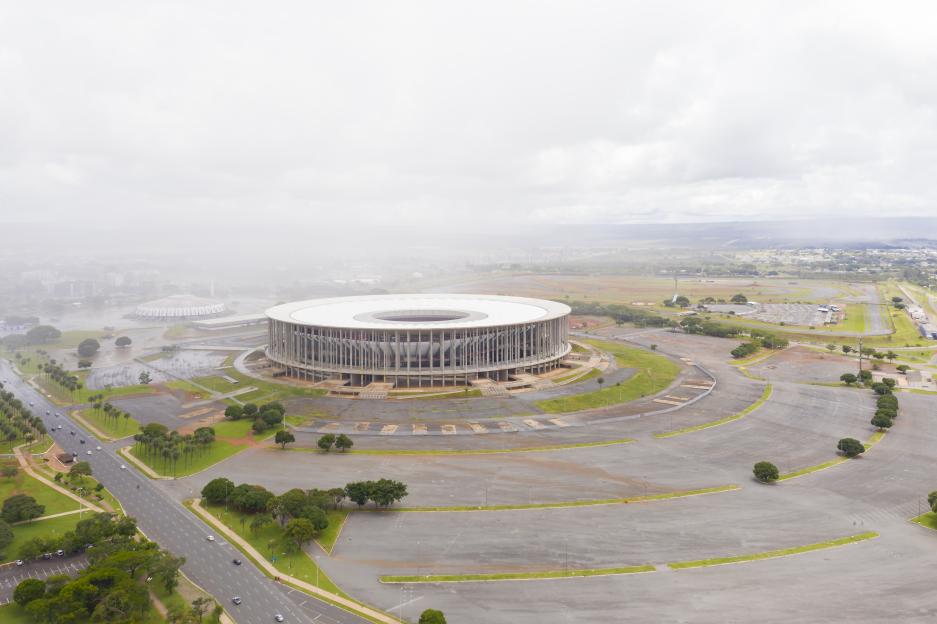 Arena BRB Mane Garrincha has been largely dormant since the 2014 World Cup Credit: Getty
Parkstadion (Germany 1974)
‘s old stadium will always be etched in World Cup history.
In Gelsenkirchen more than half a century ago, it hosted the joint-widest World Cup win ever when Yugoslavia battered Zaire 9-0.
But the 62,000-capacity ground is now unrecognisable, having been abandoned by its principal occupier in 2001.
The stadium was partly demolished seven years later, with one stand remaining next to a pitch which is used primarily by Schalke’s youth and reserve teams.
Behind one of the goals is a hotel, where fans can stay for easy access to the far glitzier Veltins-Arena.
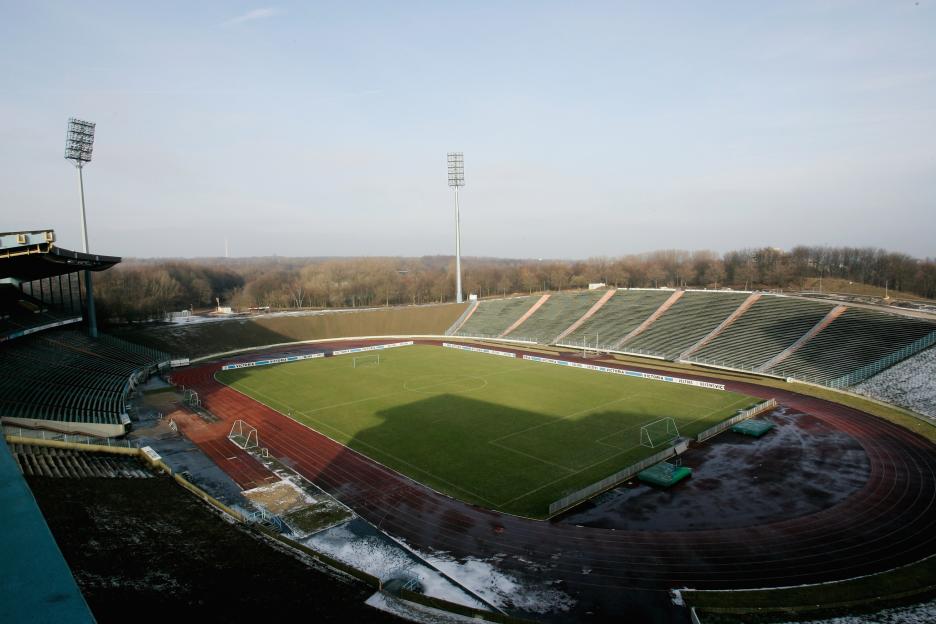 Schalke moved from the Parkstadion (above) to the Veltins-Arena in 2001 Credit: Getty
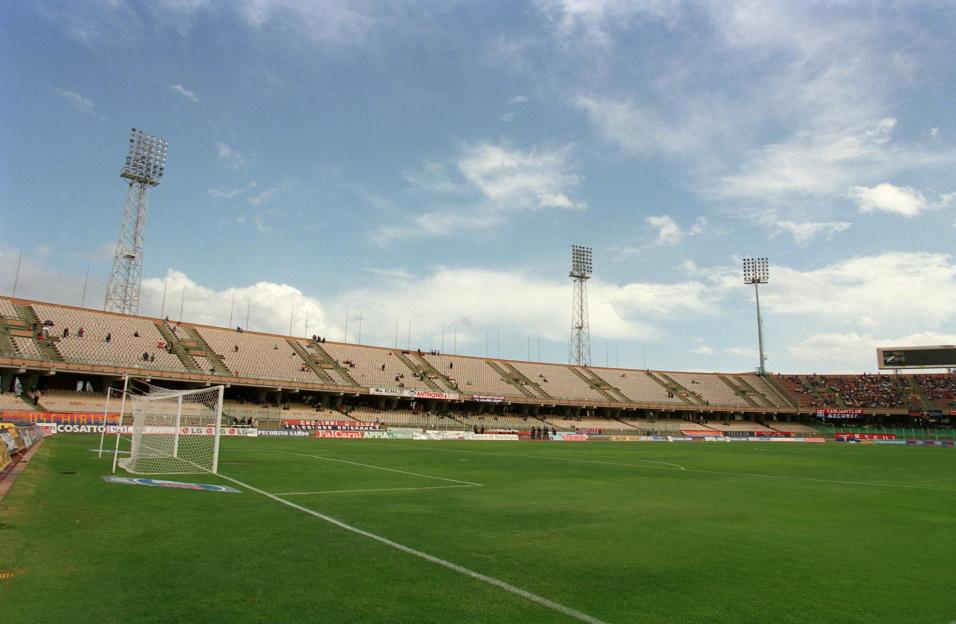 Stadio Sant’Elia is being lined up for demolition Credit: Alamy
Stadio Sant’Elia (Italy 1990)
This historic ground in Sardinia hosted all three of ‘s group games at Italia ’90.
But it’s been left to crumble away since their tenants, side Cagliari, were forced to move to the much smaller Unipol Domus in 2017.
Stadio Sant’Elia was declared unfit for the masses and too expensive to renovate, leading to its abandonment.
It is now littered with rust, broken structures and overgrown vegetation, with plans to demolish it for the sake of a new 30,000-seater stadium in progress.
Stadium 974 (Qatar 2022)
This relatively new structure is still in decent shape, but the ambitious plans laid by those who built it are still nowhere near coming to fruition.
Named as such because it was built as a “beacon of sustainability” out of 974 shipping containers, the stadium was meant to be completely dismantled and shipped off to a future World Cup host nation for re-use.
But, more than three years after the tournament, Stadium 974 is still pretty much intact.
It has hosted the odd event like the FIFA Arab Cup, the Intercontinental Cup and the Trophee des Champions, but does not belong to any one club.
And questions remain over its future.
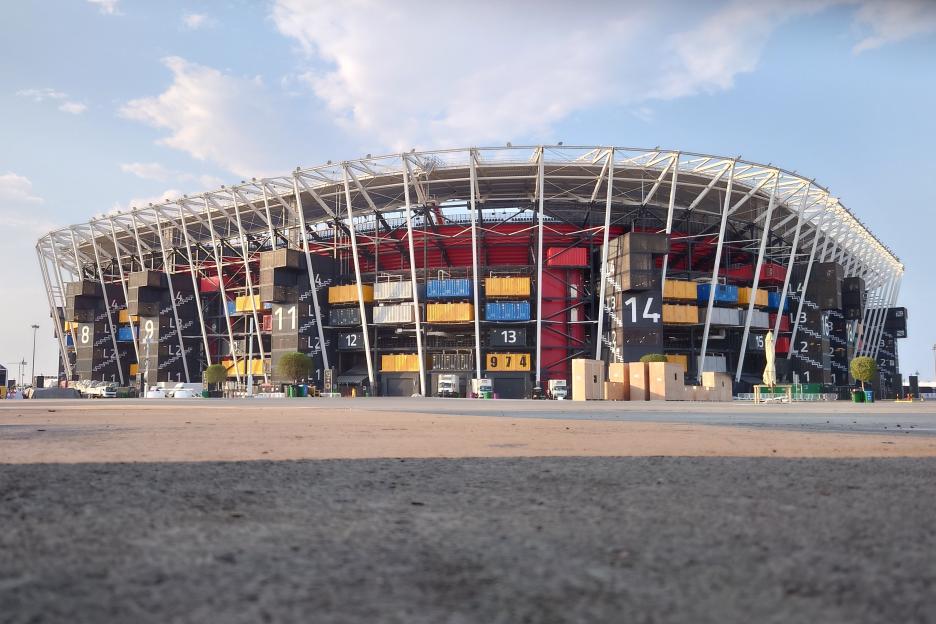 Plans for Stadium 974 to be rebuilt elsewhere are yet to materialise Credit: Getty
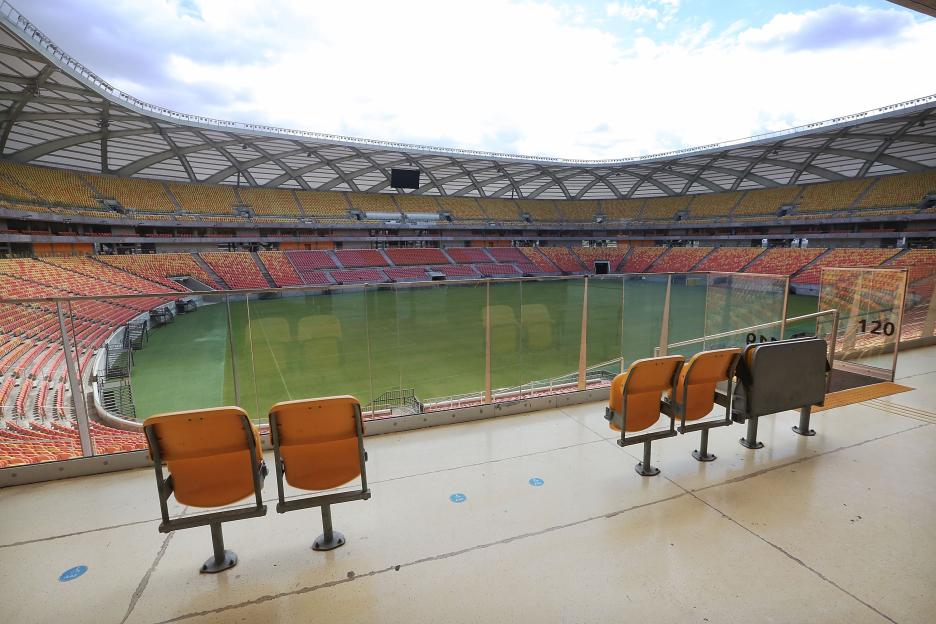 The lack of a nearby high-profile club is causing the Arena de Amazonia to lie empty most of the time Credit: Getty
Arena de Amazonia (Brazil 2014)
Memorable for hosting England’s opening-game defeat to Italy at the 2014 World Cup, this Manaus venue is slap bang in the middle of the Amazon rainforest.
The remote location and extreme weather conditions mean it costs a bomb to maintain – and it wasn’t cheap to build either at £217m.
Three workers tragically died during the construction of this 43,000-seater ground, which was effectively purpose built for the tournament.
But now it’s turned into a financial drain, with no top-flight club in Manaus to attract spectators, and some lower-league games staged at the stadium pulling in crowds of less than 1,000.
Reports suggest stadium bosses have now opened it up as a wedding venue just to make ends meet.
Peter Mokaba Stadium (South Africa 2010)
This stadium in Polokwane – a relatively small city of just 130,000 inhabitants – was celebrated for its design, which resembles the baobab tree.
Despite its beauty, it has been left hugely underused since the only World Cup held on African soil came to a close 16 years ago.
The ground was originally meant to include a roof covering all four stands, but builders only had time to cover one stand before the tournament, and the other three remain unfinished.
The fact the Peter Mokaba Stadium does not have a regular occupier means it lies dormant most of the time, despite hosting occasional events.
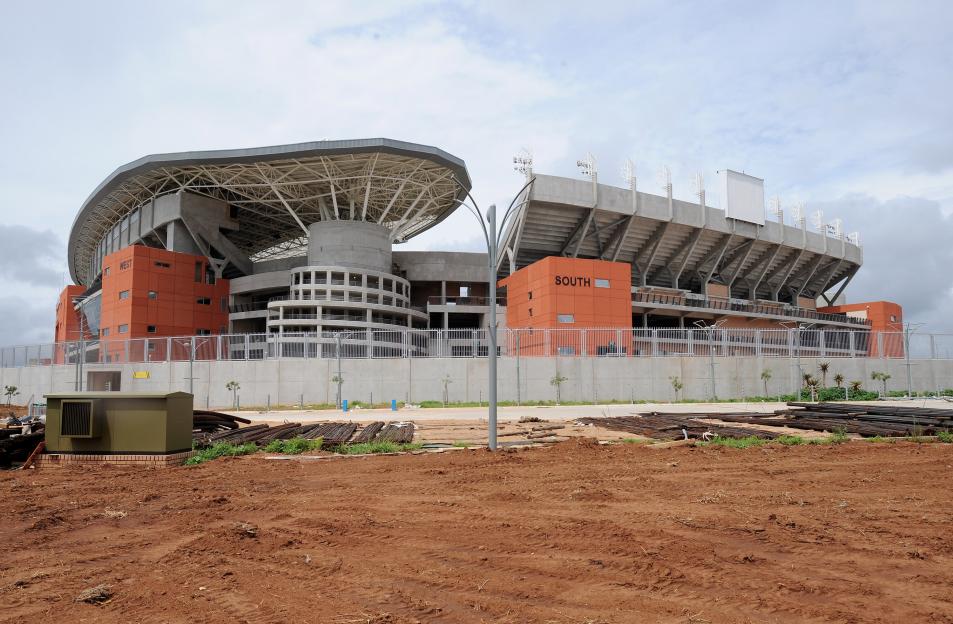 The Peter Mokaba Stadium has no full-time tenant Credit: Getty
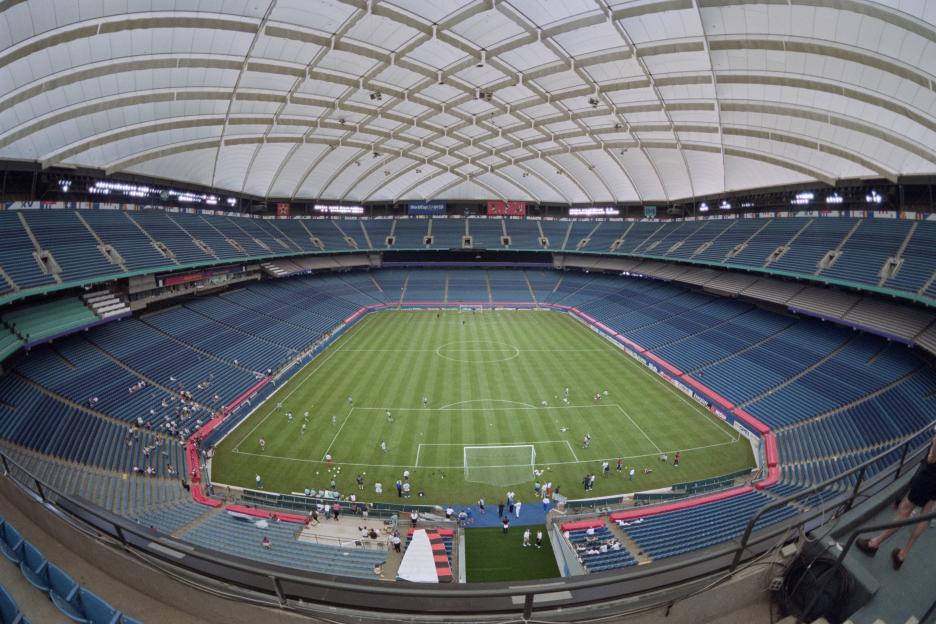 The Pontiac Silverdome was torn down in 2017 Credit: AFP
Pontiac Silverdome (United States 1994)
This 83,000-capacity behemoth was the largest NFL stadium in the States until 2000, the year before it was vacated by the Detroit Lions.
Just a few years prior to that, the Silverdome hosted four matches at the 1994 World Cup on a $1m (£730,000) temporary grass pitch, becoming the venue for the first-ever indoor World Cup match thanks to its pressurised fabric roof.
But by the mid-2000s it had fallen into disrepair, and it was bought for a measly $550,000 (£400,000) in 2009, which is less than 1 per cent of its build cost.
Despite early signs that it could be revived, the roof collapsed in 2013 and the Silverdome was completely demolished four years later.
Stadio delle Alpi (Italy 1990)
Built in Turin specifically to host matches at Italia ’90, the Stadio delle Alpi was a bit of a disaster.
Despite boasting an impressive capacity of 69,000 and hosting five matches, including the semi-final between England and West Germany, it wasn’t a popular venue.
Fans complained about poor visibility as they sat miles away from the pitch, behind an athletics track.
The atmosphere suffered as a result, and Torino and Juventus abandoned the stadium in 2006 before it was completely demolished three years later.
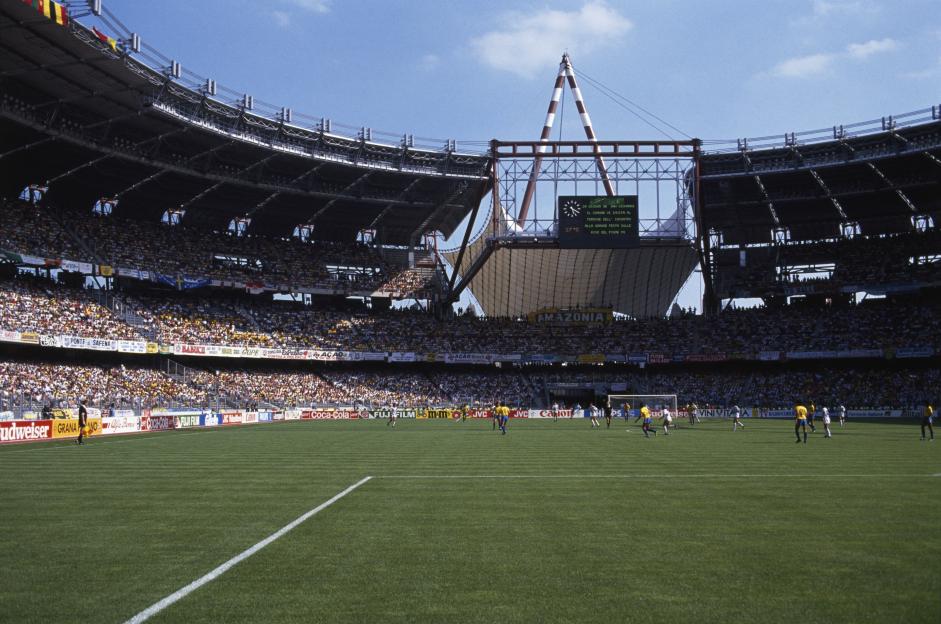 Stadio delle Alpi was abandoned by Torino and Juventus Credit: Getty
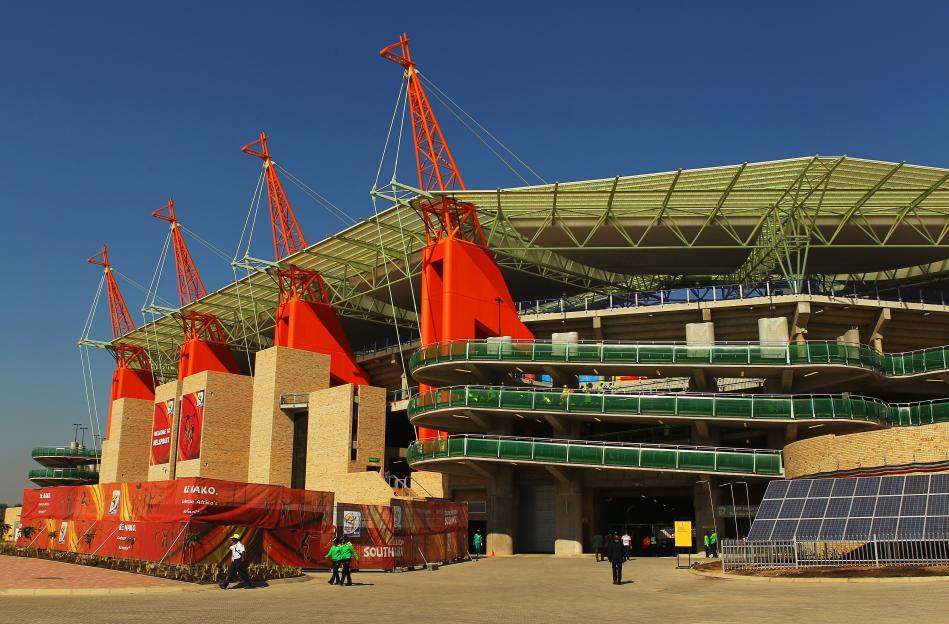 Mbombela Stadium bosses are struggling to attract large crowds Credit: Getty
Mbombela Stadium (South Africa 2010)
Another eye-catching design from the South African World Cup of 2010 featured giraffe-shaped roof supports.
It hosted four group-stage matches but, as with others on this list, suffered from being built in a less than ideal location.
The City of Mbombela is populated by about 60,000 people, meaning stadium bosses have struggled to boost persistently low attendance figures.
The 43,500-seater ground does still host occasional football and rugby fixtures, but there are questions over how long it will remain financially viable.
And since 2010, it has remained derelict for long periods.
Lusail Stadium (Qatar 2022)
The site of France and Argentina’s World Cup epic in the final three-and-a-bit years ago is not exactly abandoned – but it looks like it will never return to its former glory.
The massive 89,000-seater stadium has continued to host the occasional big event, like the Intercontinental Cup in 2024 and the FIFA Arab Cup in 2025.
But its sporting use is sporadic as it has no full-time tenant.
And it looks set to be changed beyond recognition as the “legacy plan” for Lusail involves slashing the capacity by more than HALF and turning part of the structure into schools, shops, cafes, health clinics and houses.
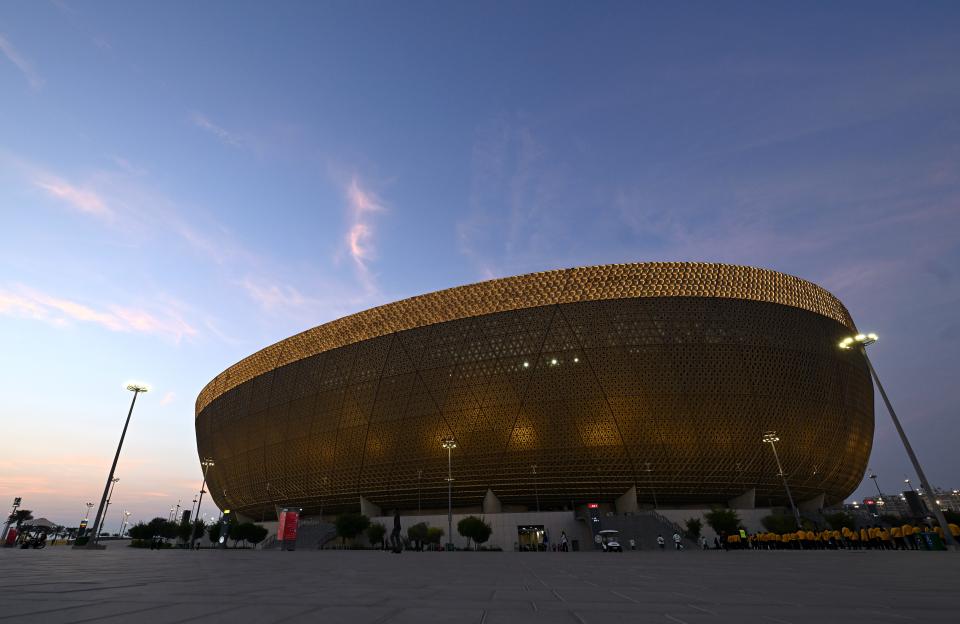 There are plans for the Lusail Stadium to be changed beyond recognition Credit: Getty