Table of Contents
- Visa Restrictions Impacting Nigerians
- Details of the Proclamation
- Affected Visa Categories
- Instructions from the American Embassy
- Reasoning Behind the Decision
- FIFA Appeal Situation
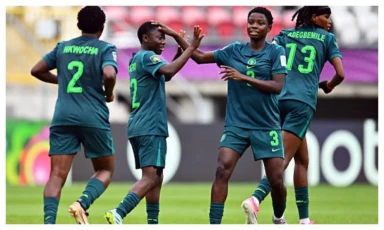
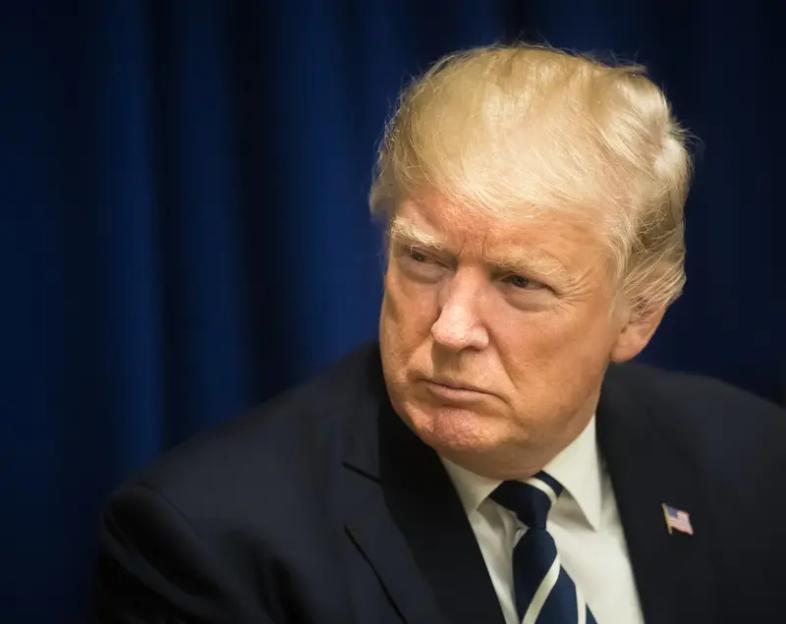
President Donald Trump’s new visa restrictions are poised to impact Nigerians intending to travel to the U.S. for the 2026 World Cup.
On Tuesday, Trump signed a Proclamation that limits entry to the United States for citizens of countries classified as high-risk due to “demonstrated, persistent, and severe deficiencies in screening, vetting, and information-sharing” that pose a threat to U.S. national security and public safety.
Nigeria is included among the 15 additional countries now facing partial restrictions.
This implies that Nigerians holding Immigrant and Non-Immigrant visas in the categories of B-1, B-2, B-1/B-2, F, M, and J visas are now suspended.
Officials at the American Embassy have also been instructed to shorten the validity of any other Non-Immigrant visas that have already been issued to Nigerians.
Another factor influencing the American government’s decision is the occurrence of visa overstays by some Nigerians during their visits to the U.S.
This development arises amid reports regarding their appeal to FIFA concerning the eligibility of certain DR Congo players, should it prove successful.
What are the new visa restrictions for Nigerians traveling to the U.S.?
The new restrictions limit entry for Nigerians holding certain visa categories, including Immigrant and Non-Immigrant visas such as B-1, B-2, B-1/B-2, F, M, and J visas.
Why has the U.S. government implemented these restrictions?
The restrictions are due to concerns about high-risk countries having deficiencies in screening and vetting processes that threaten U.S. national security, as well as issues related to visa overstays by some Nigerians.
How long will the visa validity be reduced for Nigerians?
The specific duration for which the visa validity will be reduced has not been publicly disclosed, but it is confirmed that existing Non-Immigrant visas will be affected.